




23 May 2025
National Automobile Olympiad (NAO) 2025 Launch
More Links




With gas prices fluctuating and environmental concerns growing, more car buyers are considering alternative fuel vehicles. Two popular options are hybrids, which combine a gas engine with an electric motor, and all-electric vehicles that run solely on battery power. Both have pros and cons that shoppers should weigh carefully before deciding which eco-friendly ride is right for their needs.
This article will examine the key differences between hybrid and all-electric cars when it comes to performance, environmental impact, cost considerations, and more. Whether you're looking to reduce your fuel costs, shrink your carbon footprint, or embrace new technology, understanding these two green transportation options is essential.
We'll provide an unbiased look at the advantages and disadvantages of hybrids versus all-electric vehicles to help you make the smart choice for your next set of wheels. With insight into factors like driving range, charging time, and emissions, you'll drive off the lot confident in your new eco-friendly
A hybrid car is a type of electric vehicle that uses a combination of an internal combustion engine (ICE) and an electric motor to power the car. The ICE typically provides the main source of power, while the electric motor helps to improve fuel efficiency and reduce emissions.
There are two main types of hybrid cars:
An all-electric car, also known as a battery electric vehicle (BEV), is a car that is powered solely by an electric motor. It does not have an internal combustion engine and therefore produces zero emissions.
All-electric cars typically have a range of around 200-300 miles on a single charge, but some models can go even further. The charging time for an all- electric car depends on the size of the battery and the type of charger being used. A fast charger can typically charge an all-electric car to 80% capacity in about 30 minutes.
Here are a few key factors to consider when deciding between a hybrid and an all-electric vehicle:
Driving range - Hybrids generally have greater range on a single tank of gas compared to all-electric. All-electric vehicles are limited by battery capacity and need to be charged more frequently.
Access to charging - All electric vehicles require access to charging stations, either at home or on the road. Hybrids rely mainly on gas so don't require as much charging infrastructure.
Budget - All-electric cars are typically more expensive than hybrid cars. Environmental goals - If you are looking for the most environmentally friendly option, an all-electric car is the way to go. However, a hybrid car is still a good option if you are looking to reduce your environmental impact.
Upfront cost - Hybrids tend to cost less upfront compared to all-electric. However, electric vehicles have lower operating and maintenance costs over time.
Performance - Electric vehicles generally have faster acceleration and responsive performance compared to hybrids. Hybrid performance depends on the combination of gas and electric powertrains.
Emissions - All-electric vehicles produce zero direct emissions, while hybrids produce emissions when using a gas engine. Both produce less emissions compared to traditional gas-only vehicles.
Incentives - There are often federal, state, and local incentives available for electric vehicles that can help reduce the upfront cost. Incentives for hybrids are less common.
Driving habits - Those with short commute distances or mainly city/suburban driving may benefit more from all-electric. Hybrids offer more flexibility for longer trips and varied driving.
Overall, the choice depends on your budget, driving needs, access to charging, and preferences around performance and environmental impact & Test driving both types can help inform your decision.
Growing Adoption: Sales are increasing due to lower prices, improved ranges, and expanding charging infrastructure.
Technology Advancements: Better batteries and efficiency enhance performance.
Model Variety: SUVs, trucks, and luxury options will become more common.
Charging Expansion: More charging stations and options will reduce range anxiety.
Cost-Effective: EVs are expected to match gas cars in cost within 5-10 years. Regulations and Incentives: Government policies and incentives continue to drive adoption.
Hybrids and EVs will gain significant market share in the coming decade, supported by tech advances and various adoption drivers.
Choosing between a hybrid and an all-electric vehicle involves weighing several factors, including driving range, access to charging, budget, environmental goals, upfront cost, performance, emissions, incentives, and driving habits. It's essential to consider your specific needs and preferences to make the right decision for your next set of wheels.
Looking ahead, the future of hybrid and electric vehicles appears promising. Sales are on the rise due to lower prices, improved technology, and expanding charging infrastructure. More vehicle options, including SUVs, trucks, and luxury models, are becoming available.

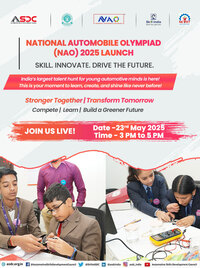
National Automobile Olympiad (NAO) 2025 Launch
Bharat Mobility Expo 2025
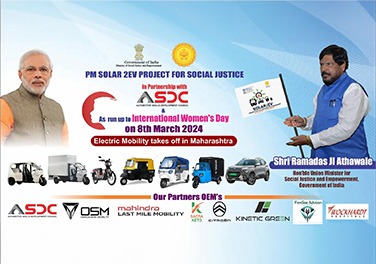
PM Solar 2EV Project for social justice
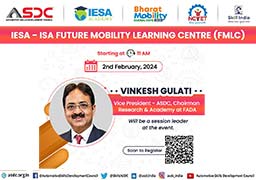
Bharat Mobility Expo 2024
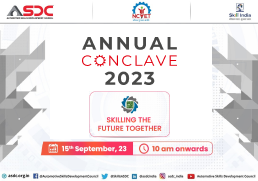
Annual Conclave 2023

G-20 Jan Bhagidaari Webinar On 6th June 2023 at 11:00 AM to 12:00 PM
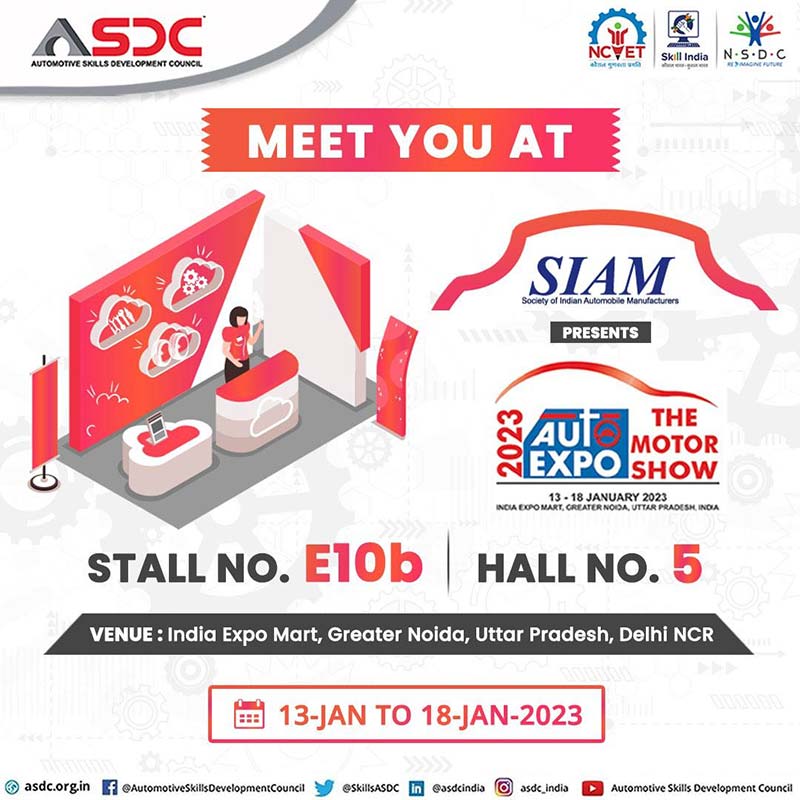
We would be pleased to receive you at the Auto Expo Components Show scheduled from 13-18 January 2023 at the India Expo Mart, Greater Noida , Utter Pradesh, Delhi NCR
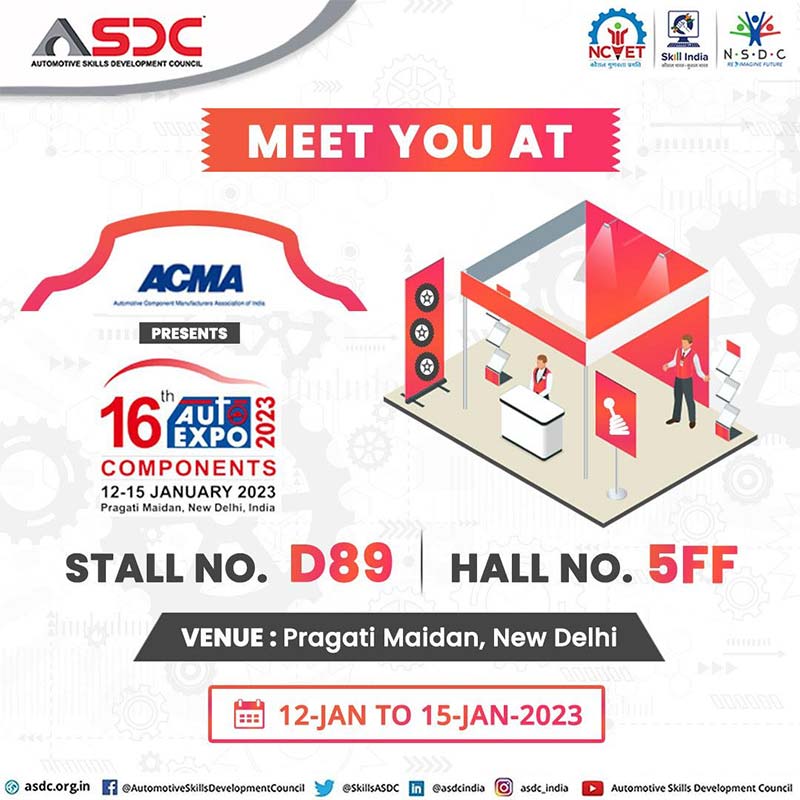
We would be pleased to receive you at the Auto Expo Components Show scheduled from 12-15 January 2023 at the Pragati Maidan, New Delhi.
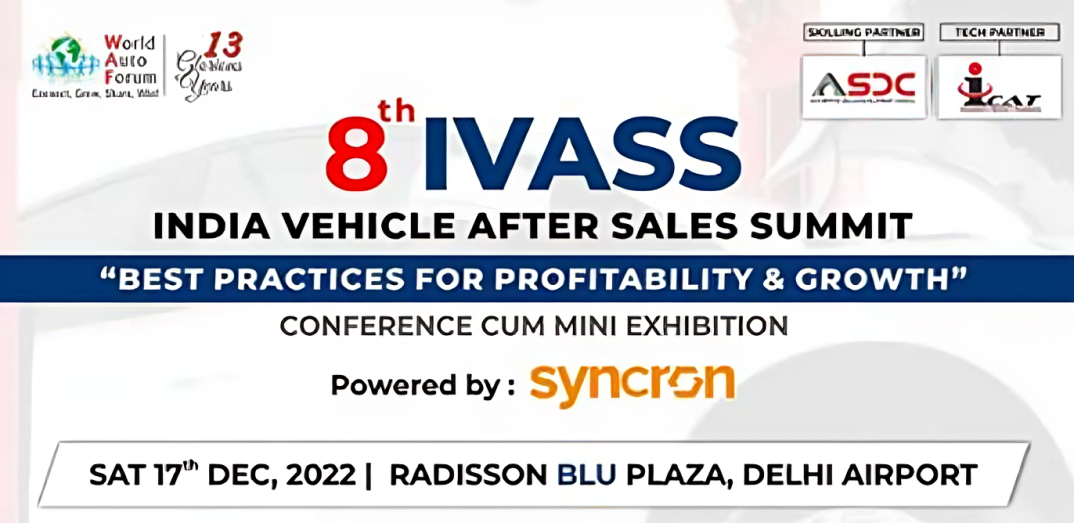
8th IVASS
Pradhan Mantri National Apprenticeship Mela

Swavalamban Skill to Enterprise Model (STEM Flyer 1)

Swavalamban Skill to Enterprise Model (STEM Flyer 2)
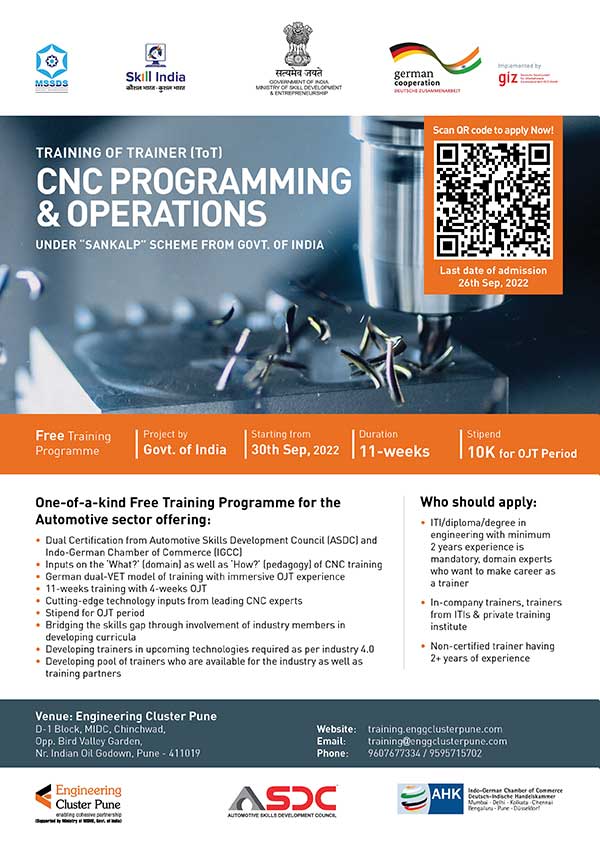
CNC Programming & Operation

Annual Conclave 2022
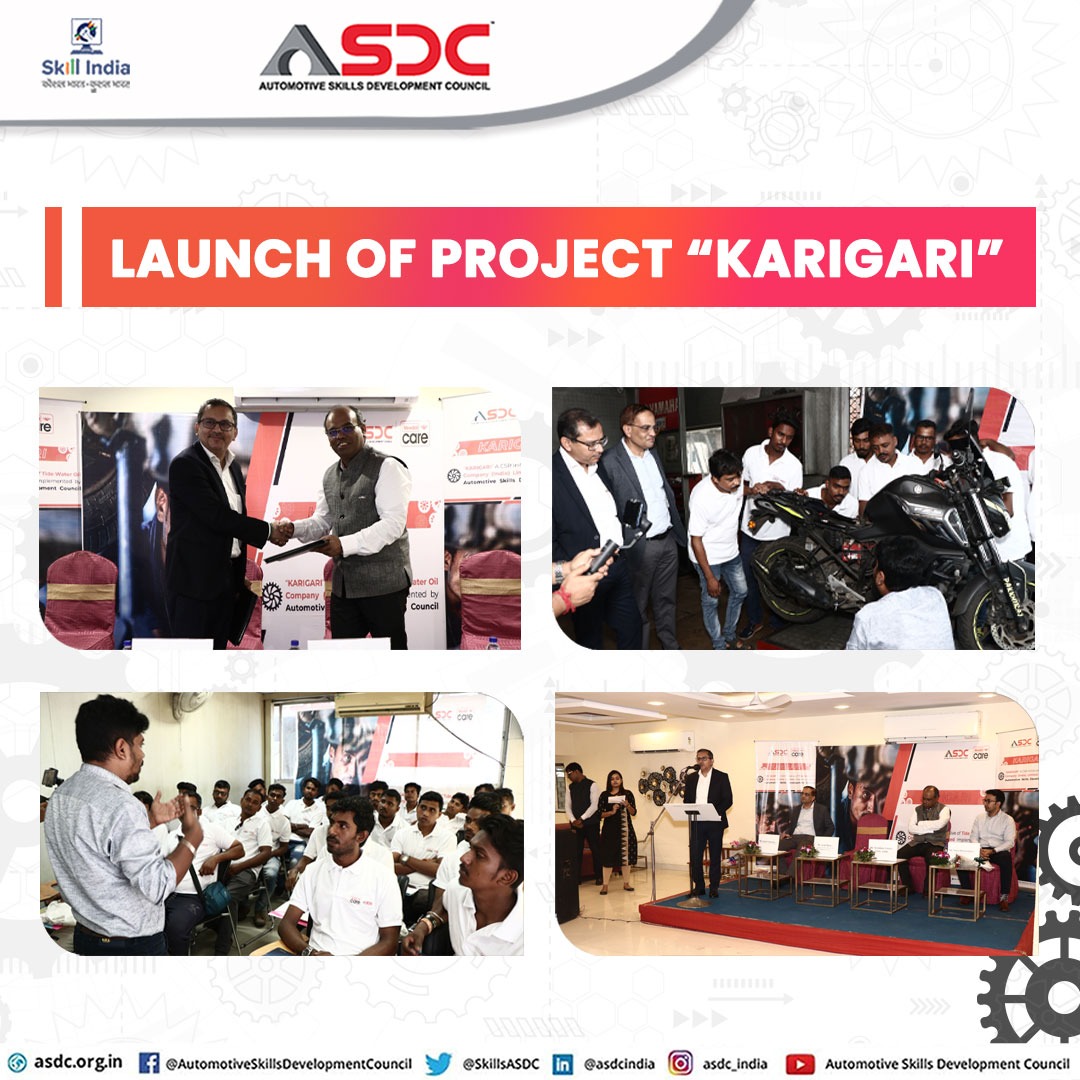
Launch of project
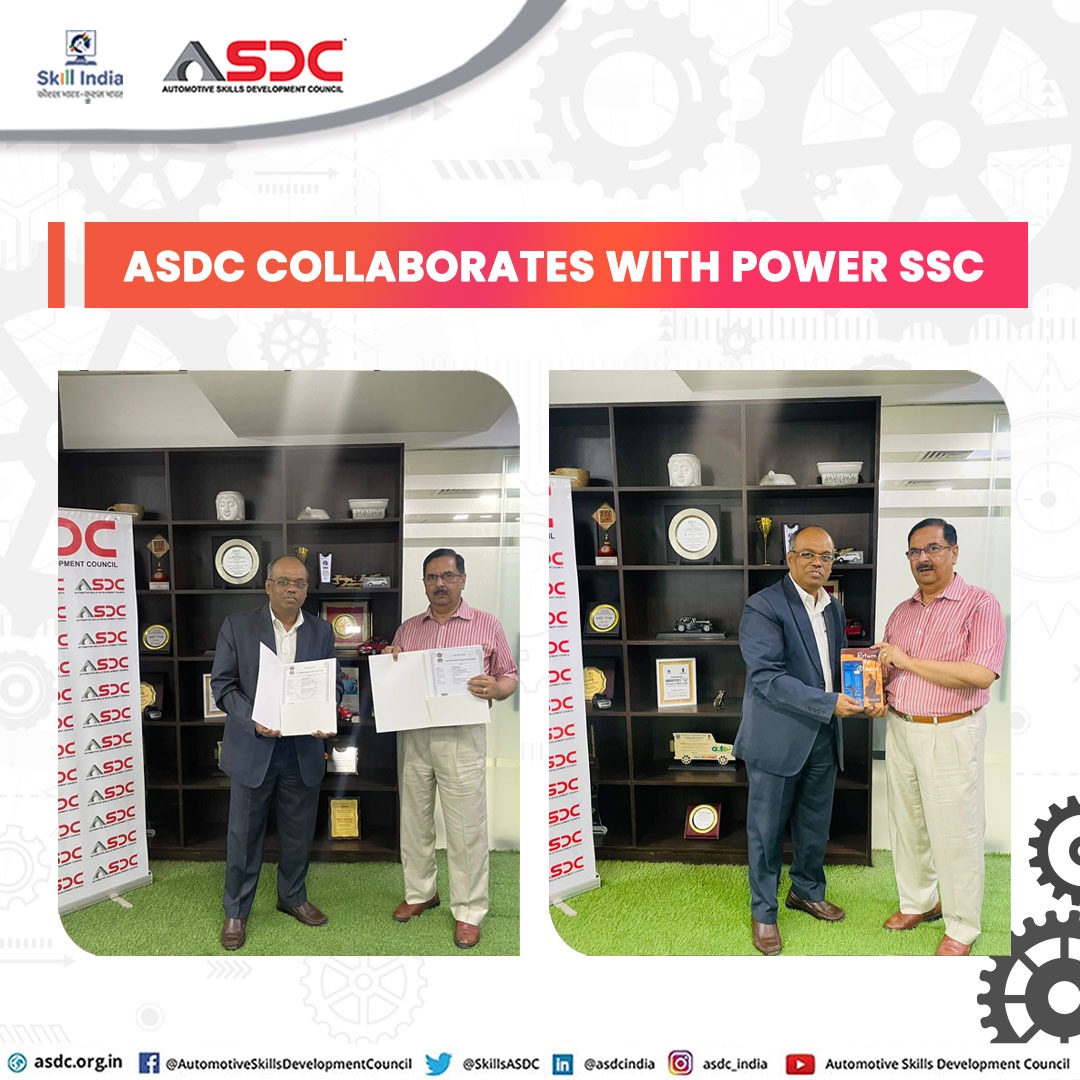
ASDC Collaborates with power SSC
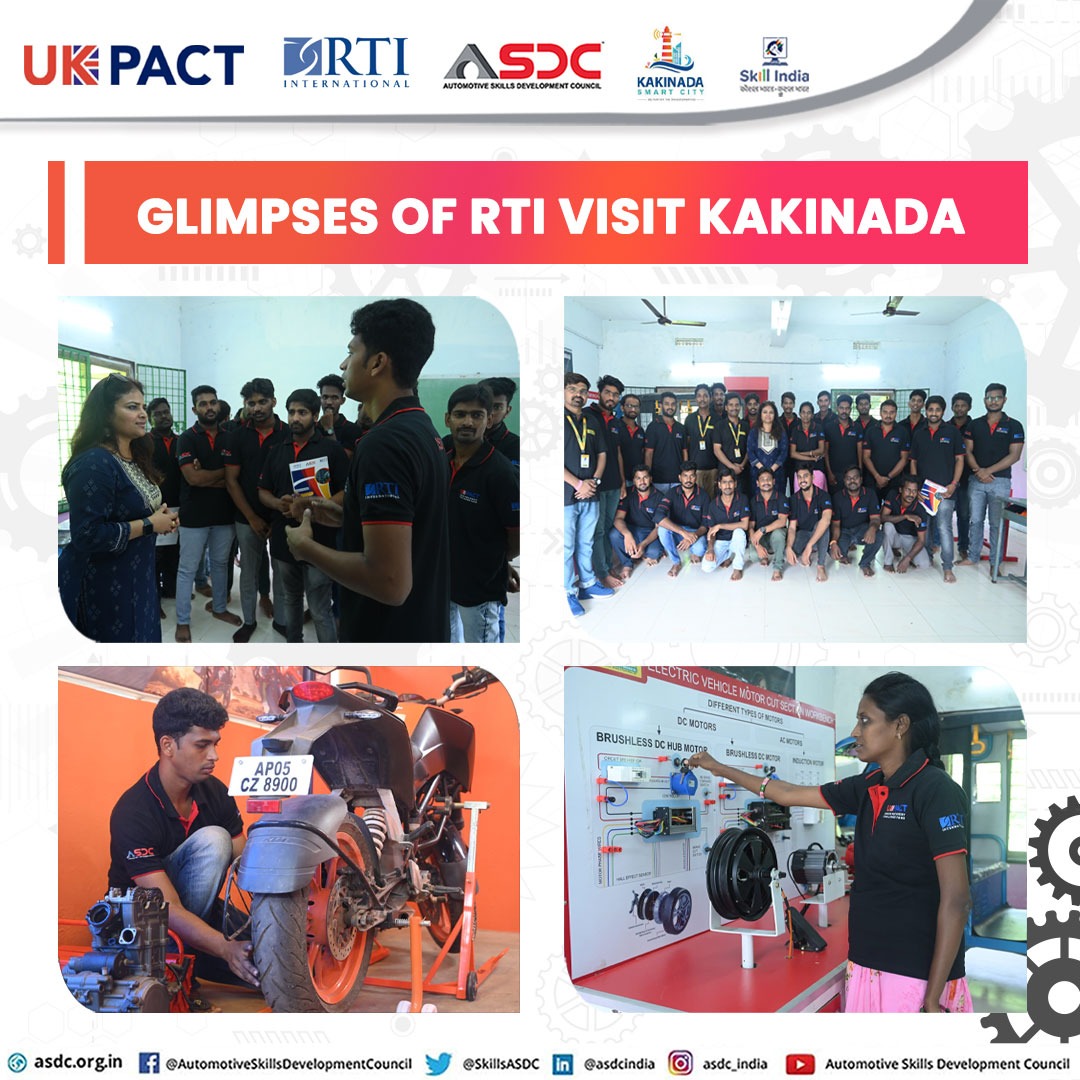
Glimpes of RTI visit Kakinada
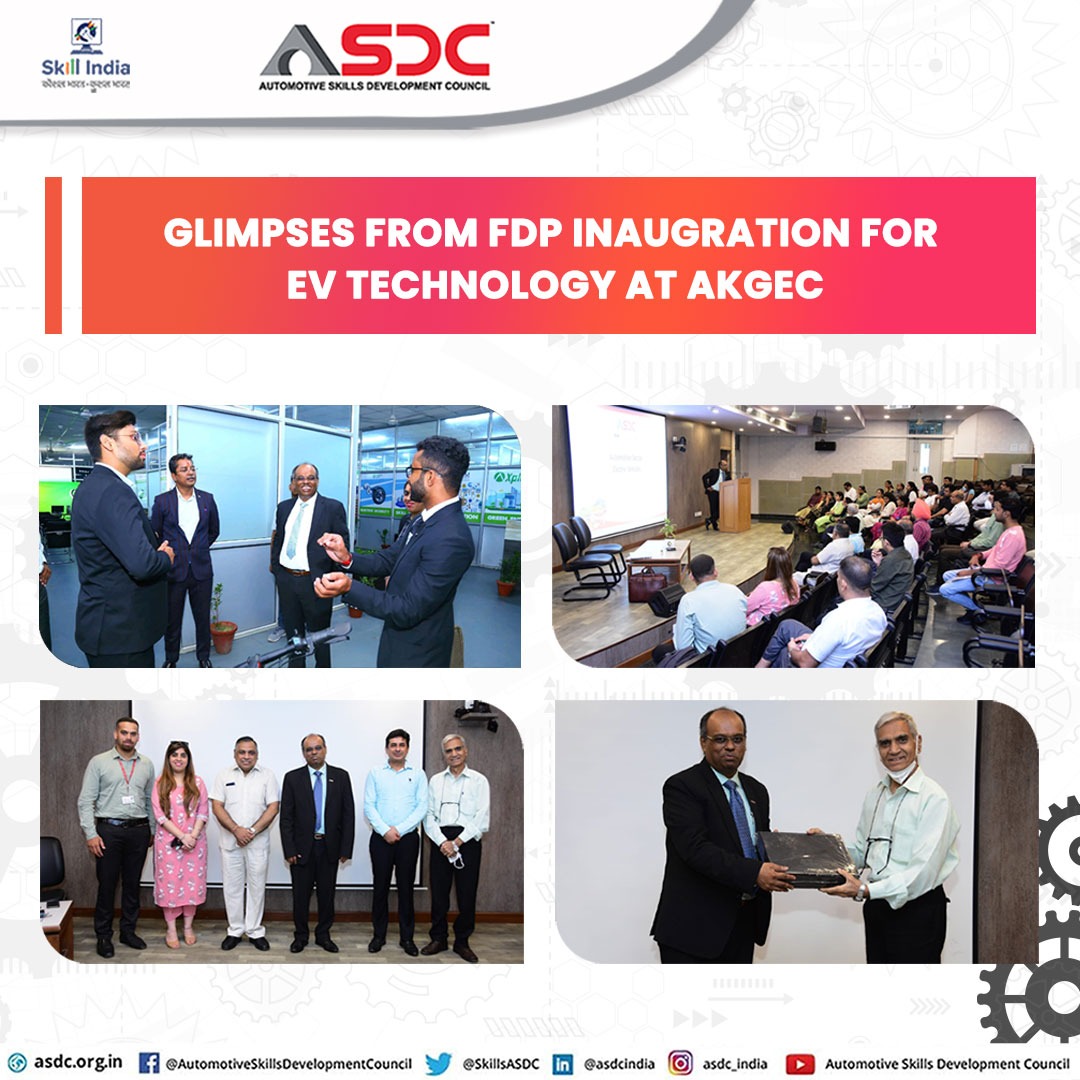
Glimpses From FDP Inaugration For EV Technology at AKGEC
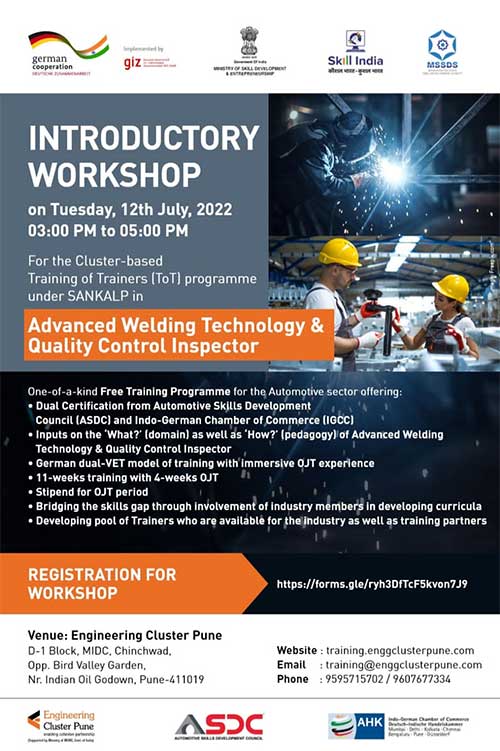
Introductory Workshop
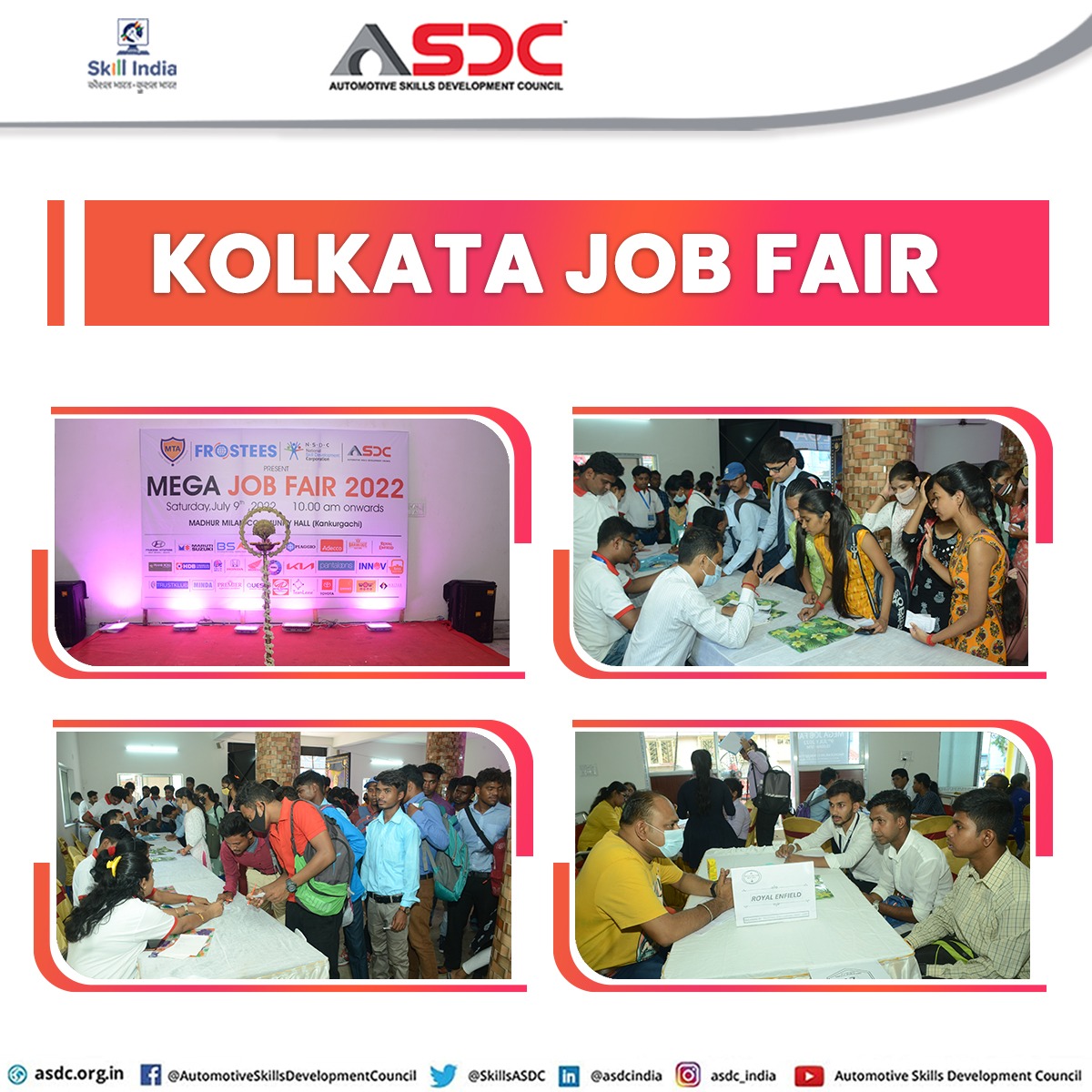
Kolkata Job Fair
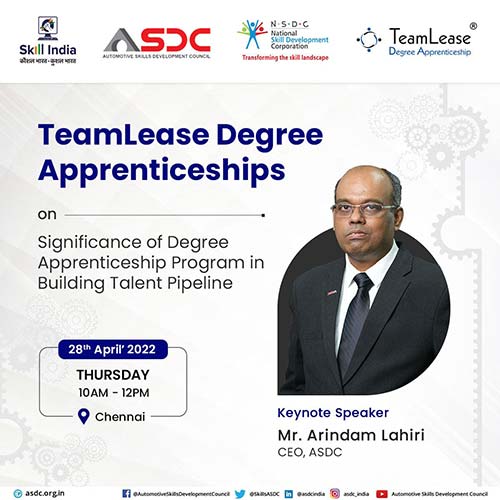
TeamLease Degree Apprenticeships on significance of dgree Apprenticeship Program in building Talent Pipeline
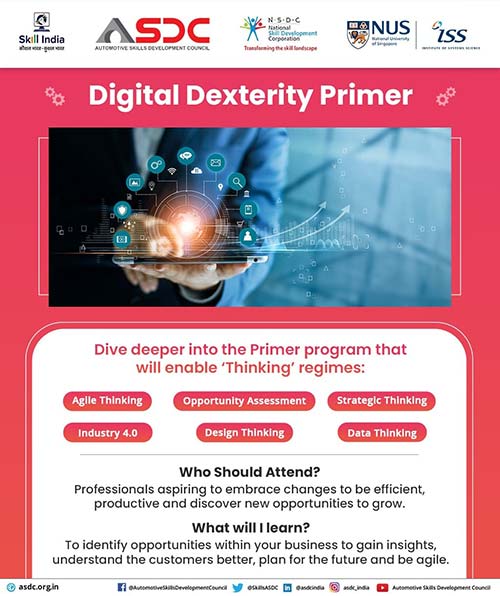
Digital Dexterity Primer
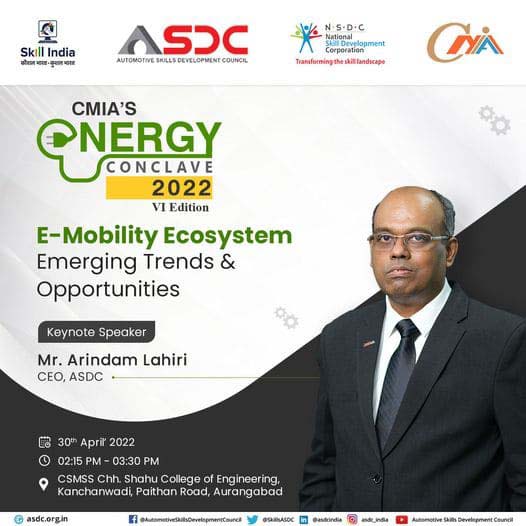
CMIA's Energy Conclave 2022
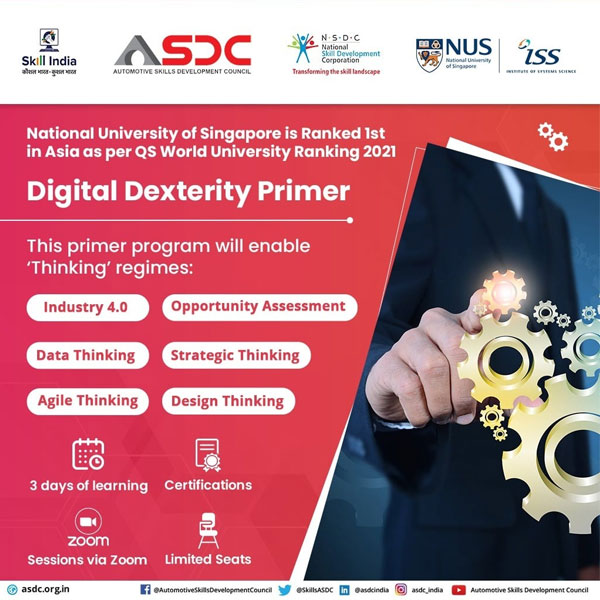
We are now associated with ISS, National University of Singapore for the Digital Dexterity Primer program to help enhance the digital business approach among auto professionals. Register now and get equipped with required skills and insights to cater to y
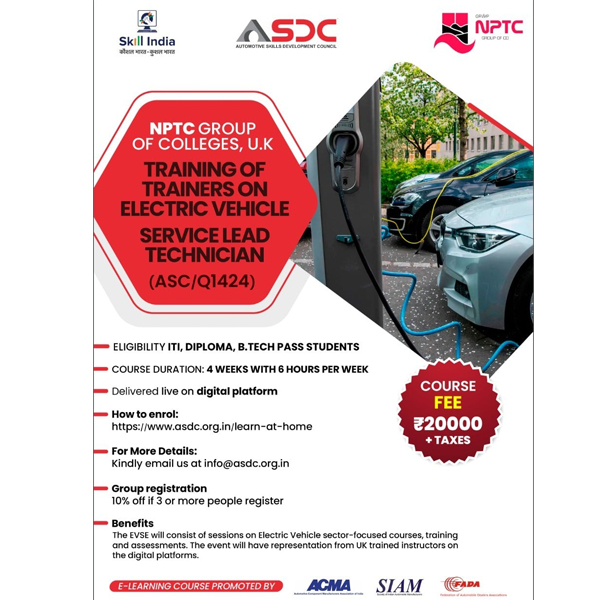
We are proud to be associated with Grwp Colegau NPTC Group of Colleges for the Training of Trainers on Electric Vehicle Service Lead Technician course. The aim of the e-learning course is to upskill auto professionals and students with valuable electric v
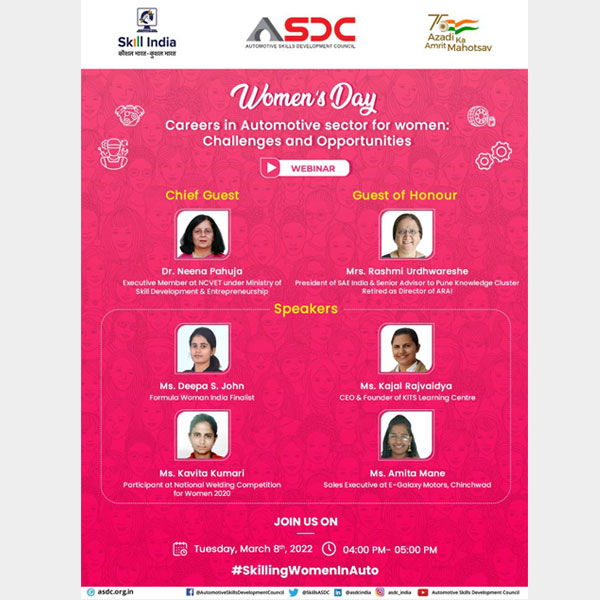
We look forward to you joining our prolific speakers for Women’s Day Webinar on ‘Careers in Automotive sector for women: Challenges and Opportunities’.
ASDC invites you all to EV India 2021 An Electric Motor Vehicle show
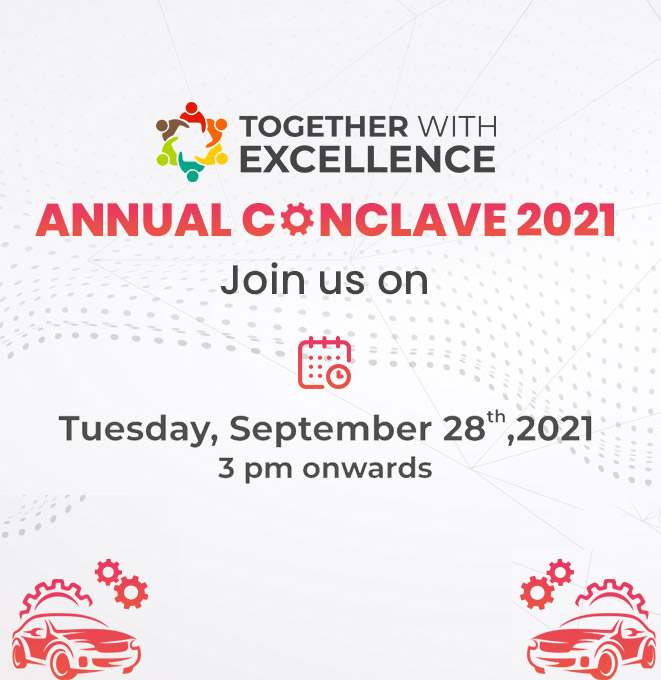
ASDC Annual Conclave and Livestreaming on 28th sept 3 pm onwards
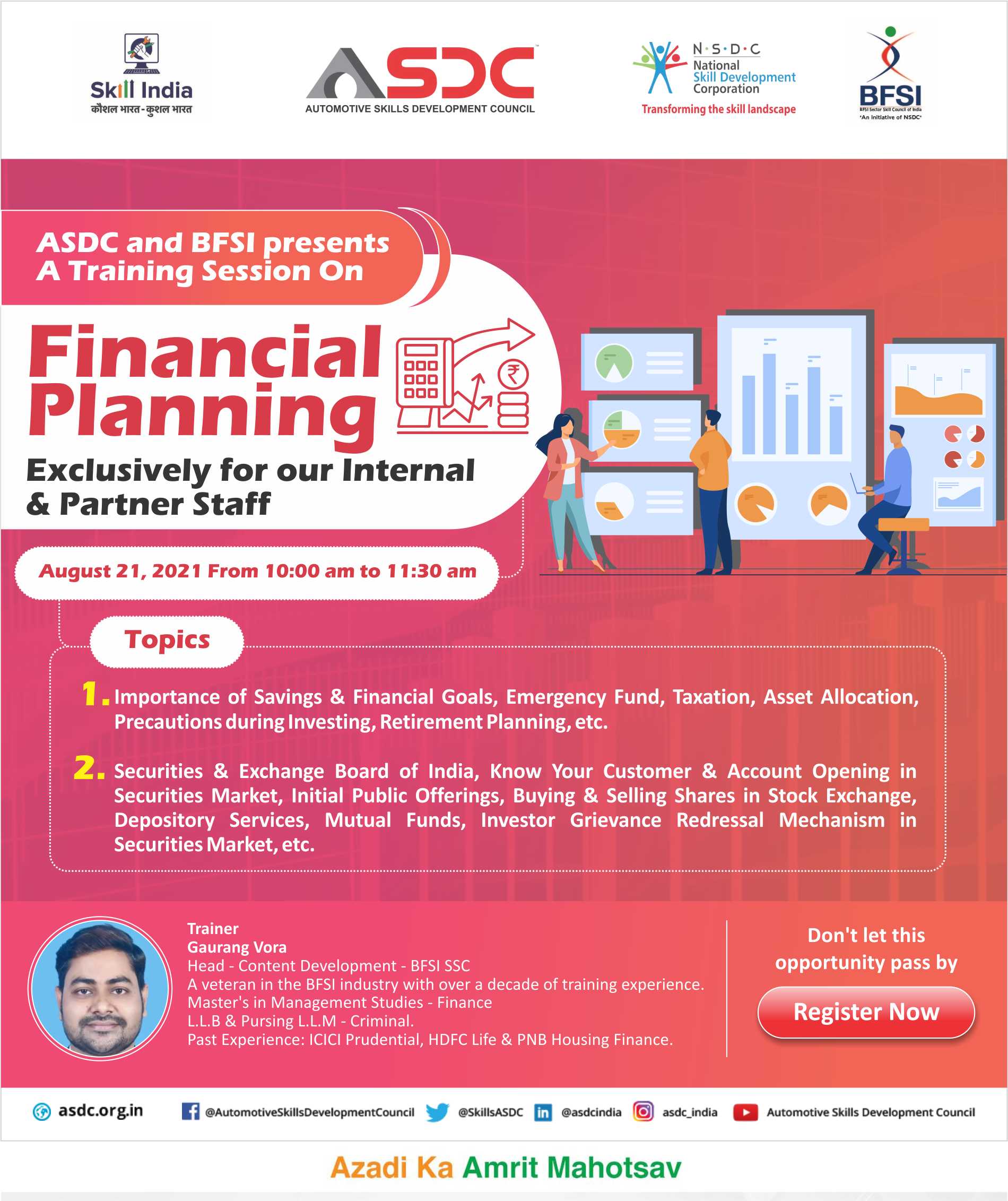
ASDC along BFSI will be hosting a training session on Financial Planning for its Internal and Partner staff on Saturday , August 21 from 10 - 11:30 am . The session would be conducted by Gaurang Vohra, Head of Content Development at BFSI SSC. His decade l
ASDC & Tata Strive will be conducting a free online refresher program on ‘Being a superstar facilitator - Kolb's Experimental learning cycle ’ to upskill the auto workforce, on 2nd August from 3-4pm
ASDC & Tata Strive will be conducting a free refresher ToT program on ‘Power Assisted Steering (Hydraulic & Electronic)’ to upskill the auto workforce, on 30th July from 3-4pm
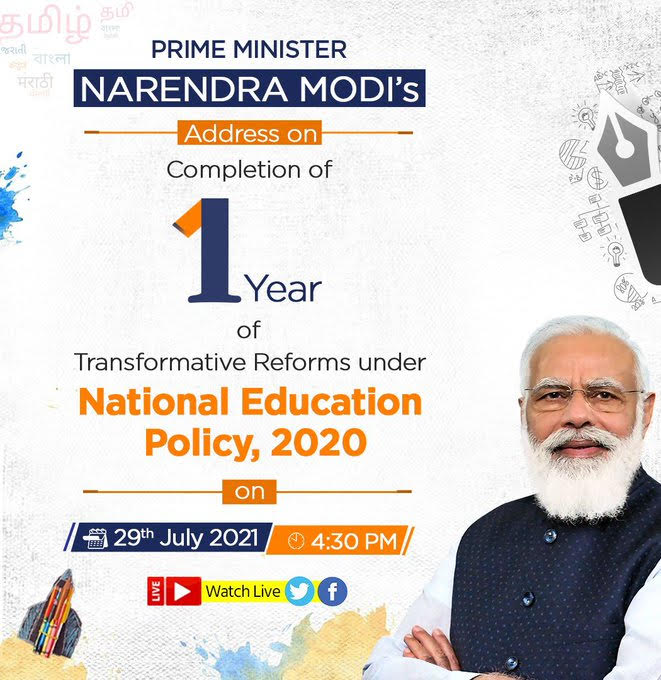
Hon'ble Prime Minister Shri Narendra Modi will be addressing the nation LIVE on the completion of one year of transformative reforms under NEP 2020, on 29th July, 2021 at 4:30 PMs
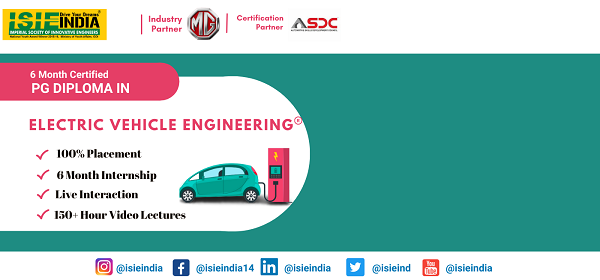
Earn an accredited Diploma Degree without quitting your job at ZERO COST*
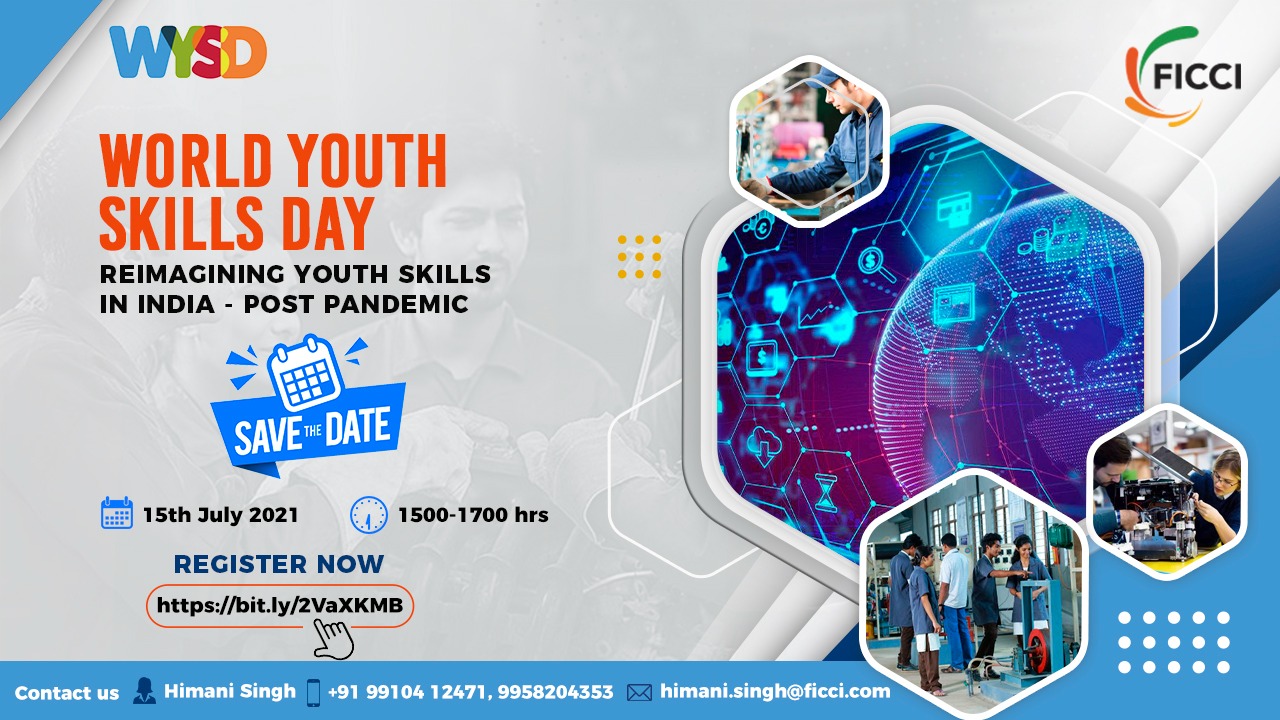
WORLD YOUTH SKILLS DAY
Reimagining Youth Skills in India – Post Pandemic
July 15, 2021 | 1500 hrs
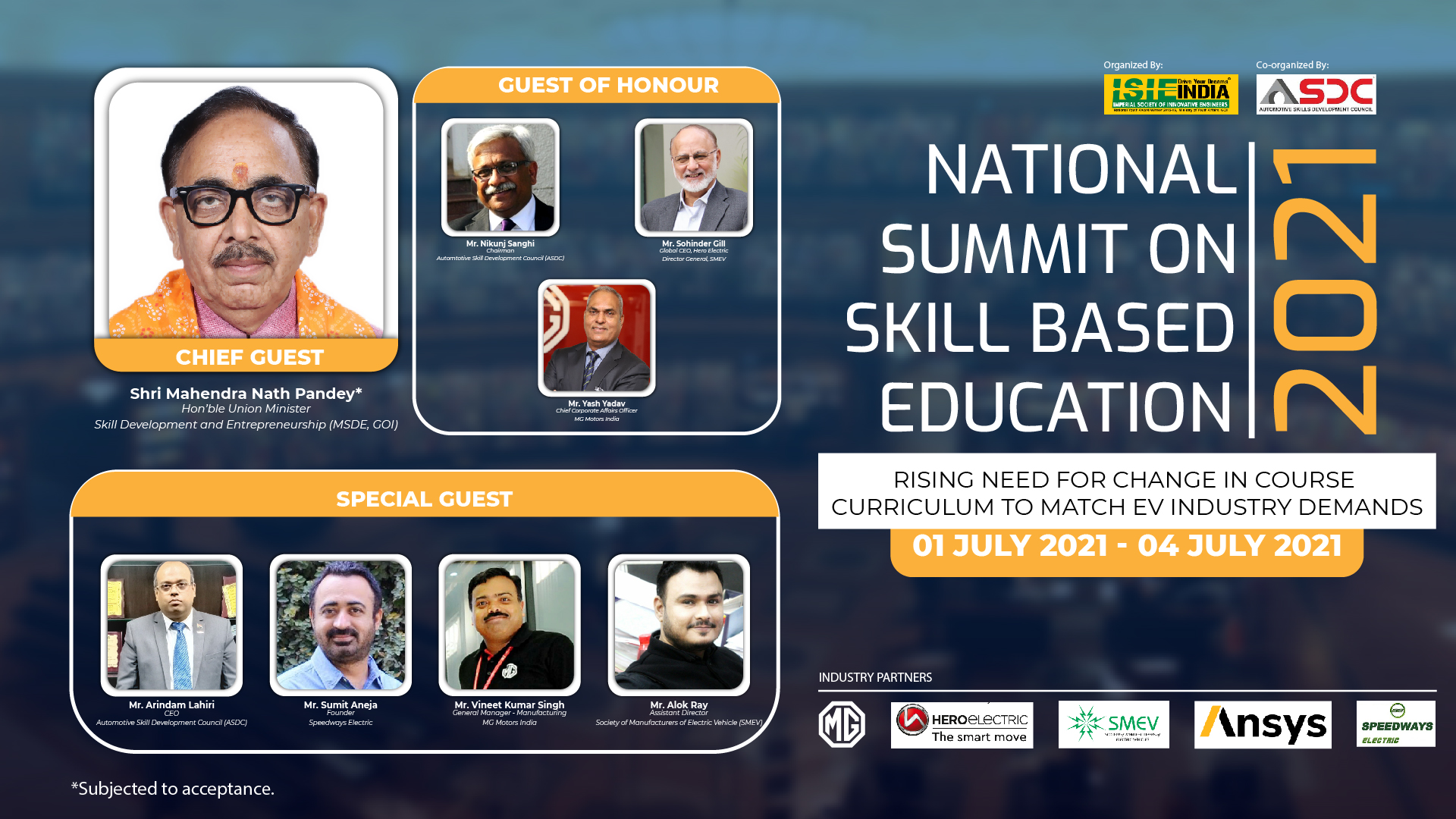
Join the Nation's Premier gathering of Academicians, Education Practioners, Industry Experts and Leaders for exchanging result-based solution..........
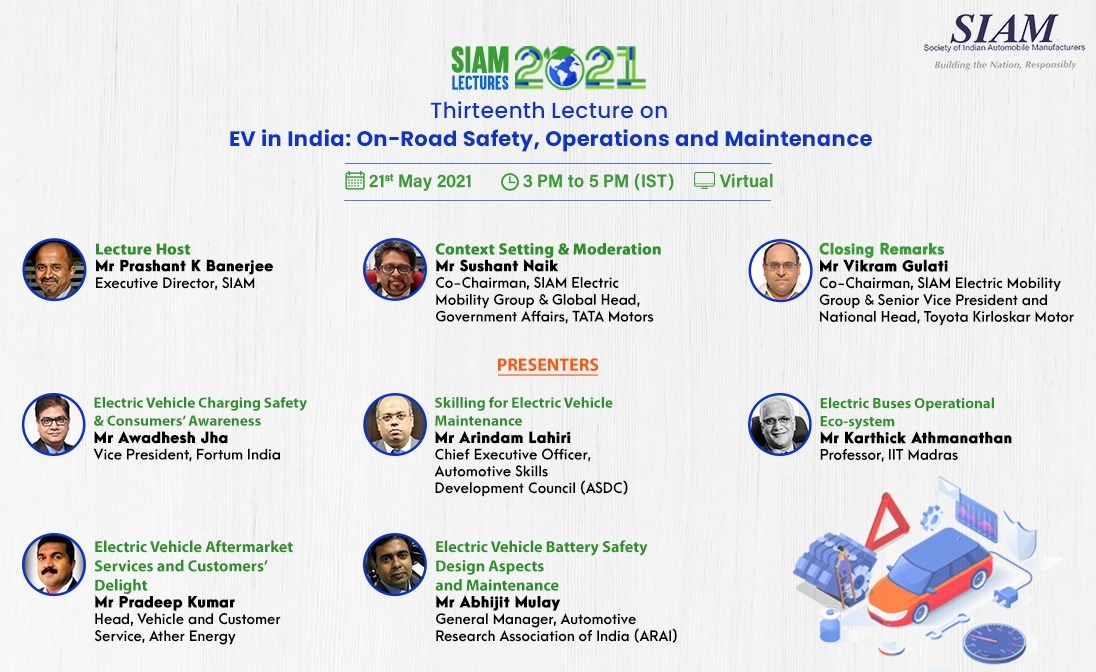
Join trailblazers from the Indian #Automobile Industry during SIAM's lecture session on 'EV in India...
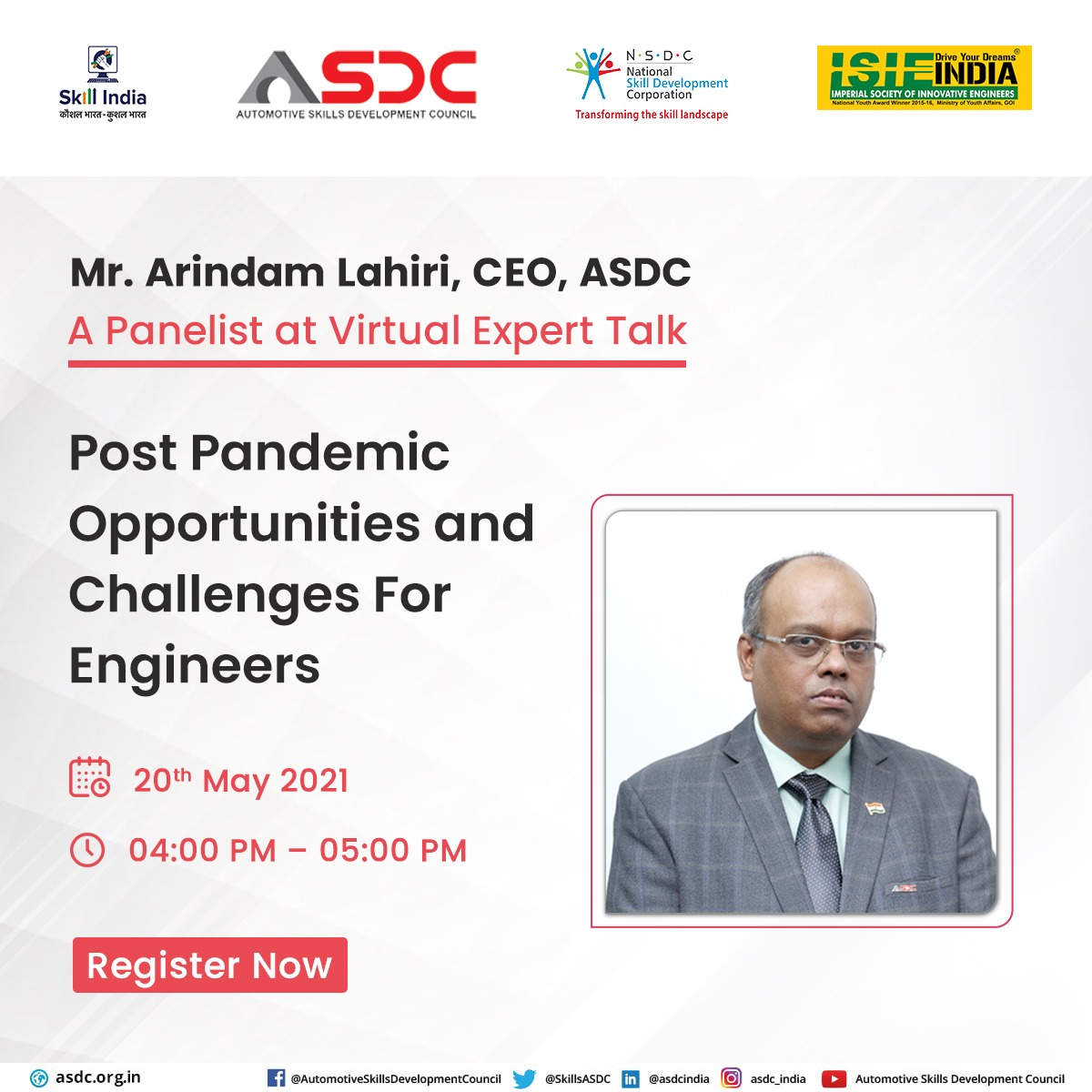
Here’s an exclusive opportunity for final Year engineering students to interact live with Mr. Arindam Lahiri, CEO, ASDC
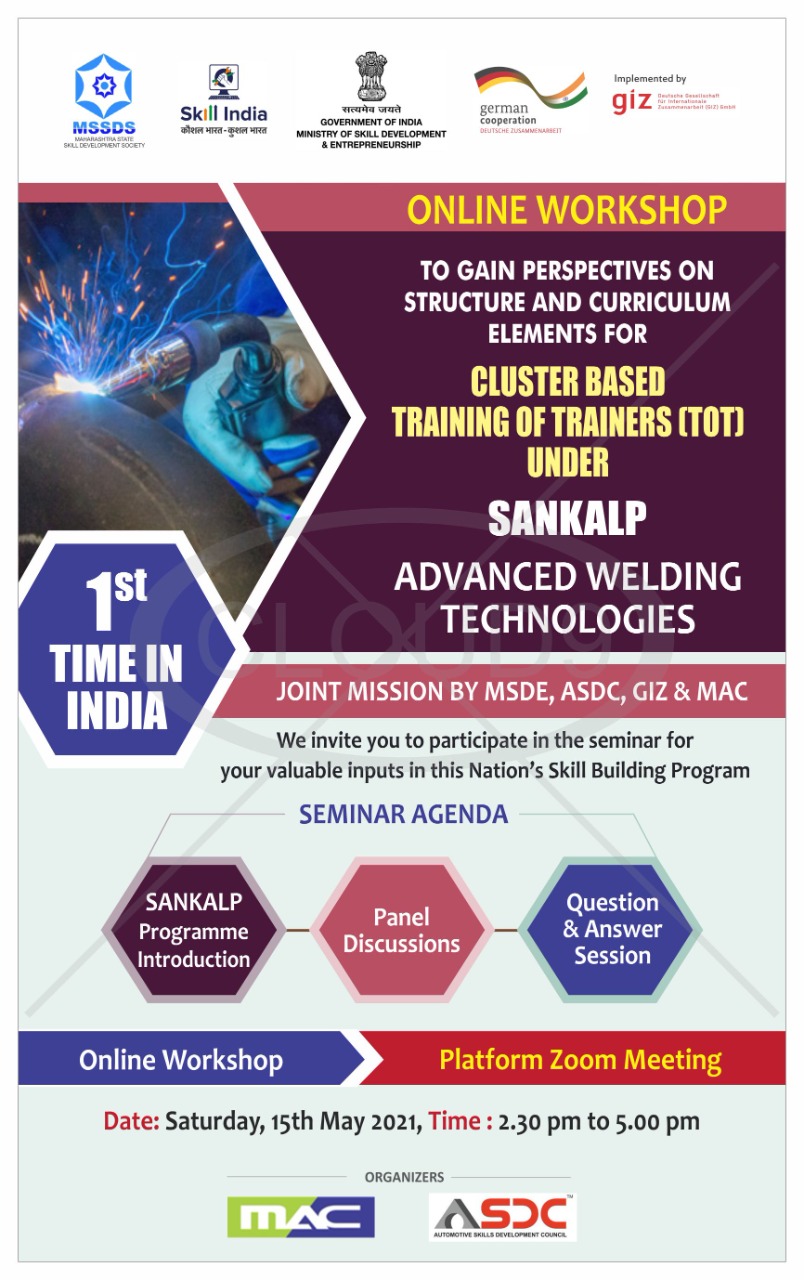
Online Workshop to Gain Perspectives on Structure and Curriculum element for training Cluster Based Trainees(TOT) Under Sankalp
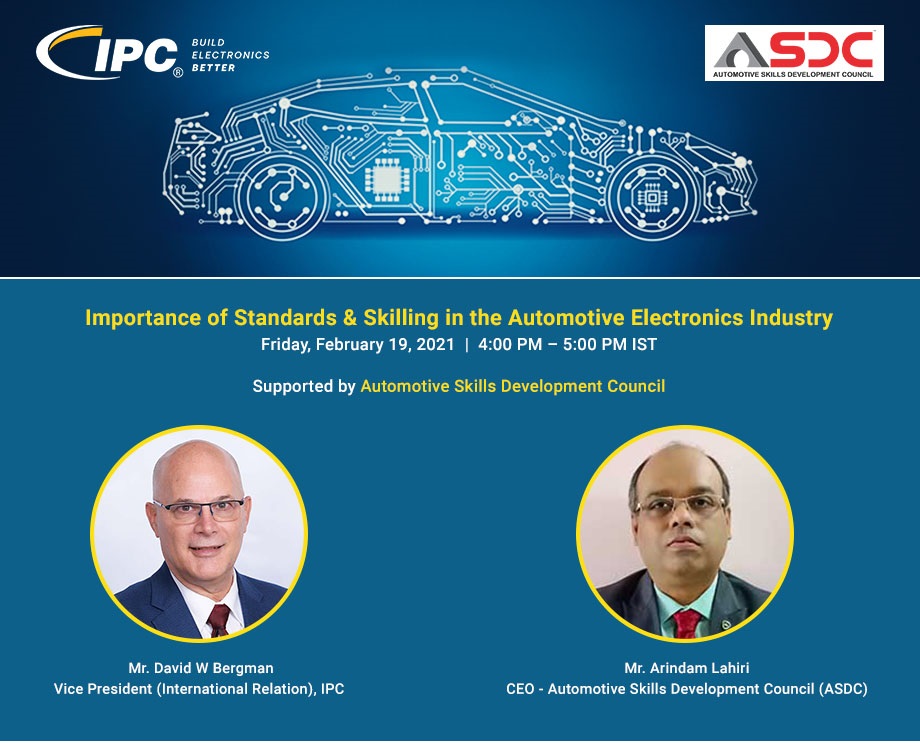
Importance of standards & Skilling in the Automotive Electronics Industry
Next Step Pane Series
Launch Of Talk Show - Safer Drives Mission Possible
2nd Phase of Grow with Google
Digitising Indian Auto Retail

Grow With Google : Grow with Google is excited to bring you a three-part webinar series on "Digitising Indian Auto Retail" powered by ASDC & FADA.”
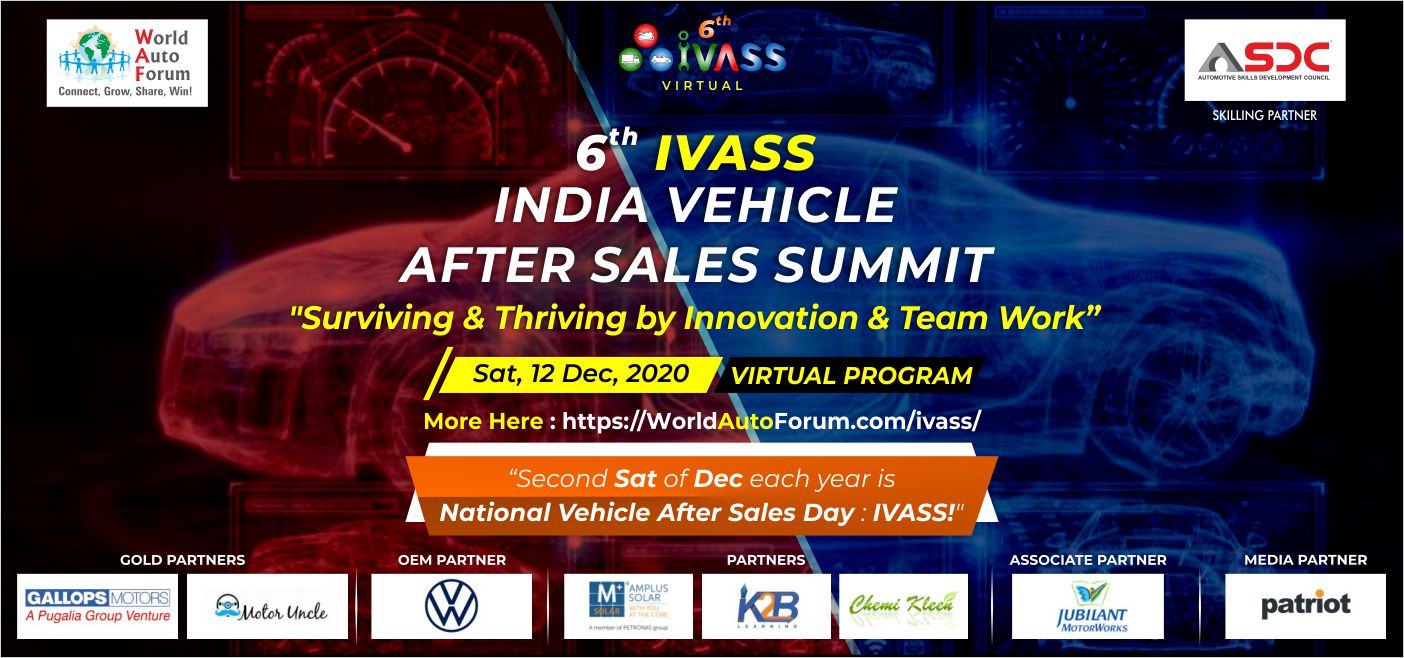
6th IVASS - India Vehicle After Sales Summit
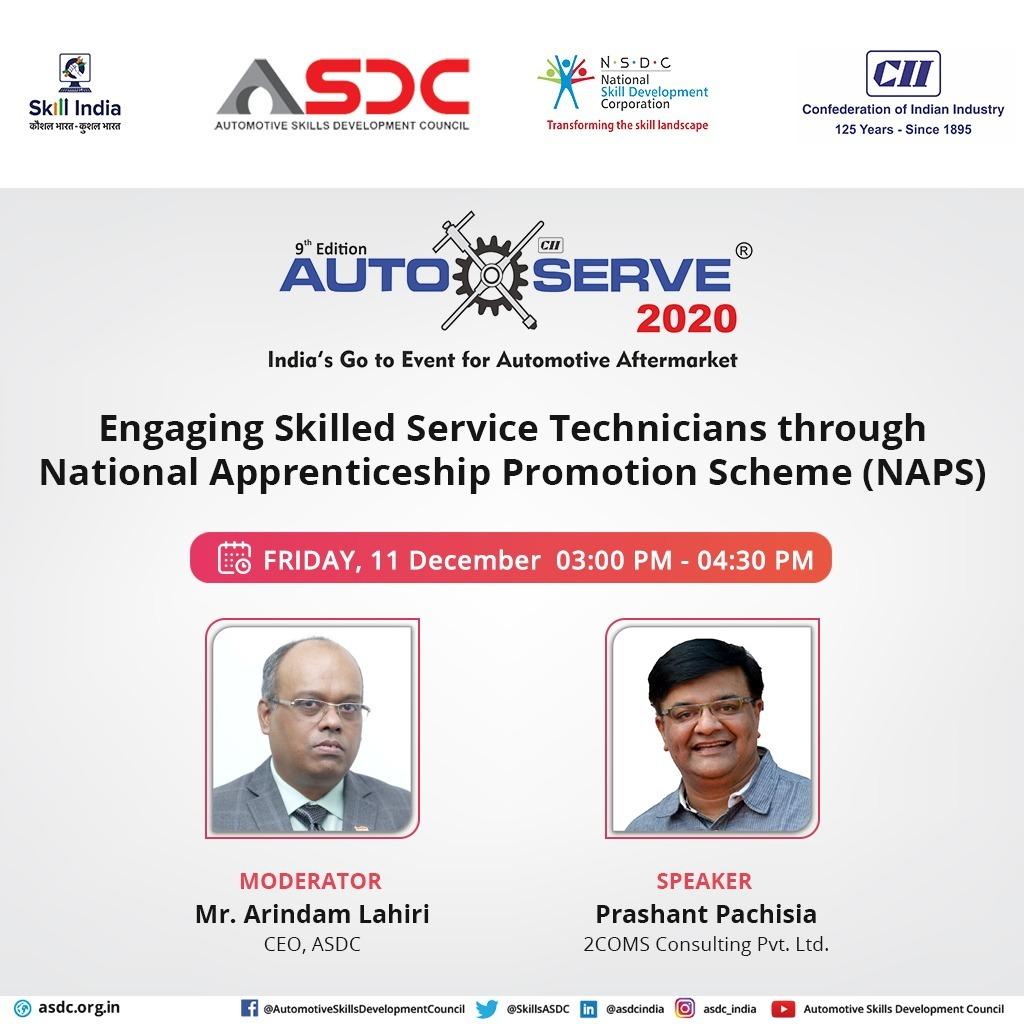
Engaging skilled Service Technician Through National Apprenticeship Promotion Scheme (NAPS)
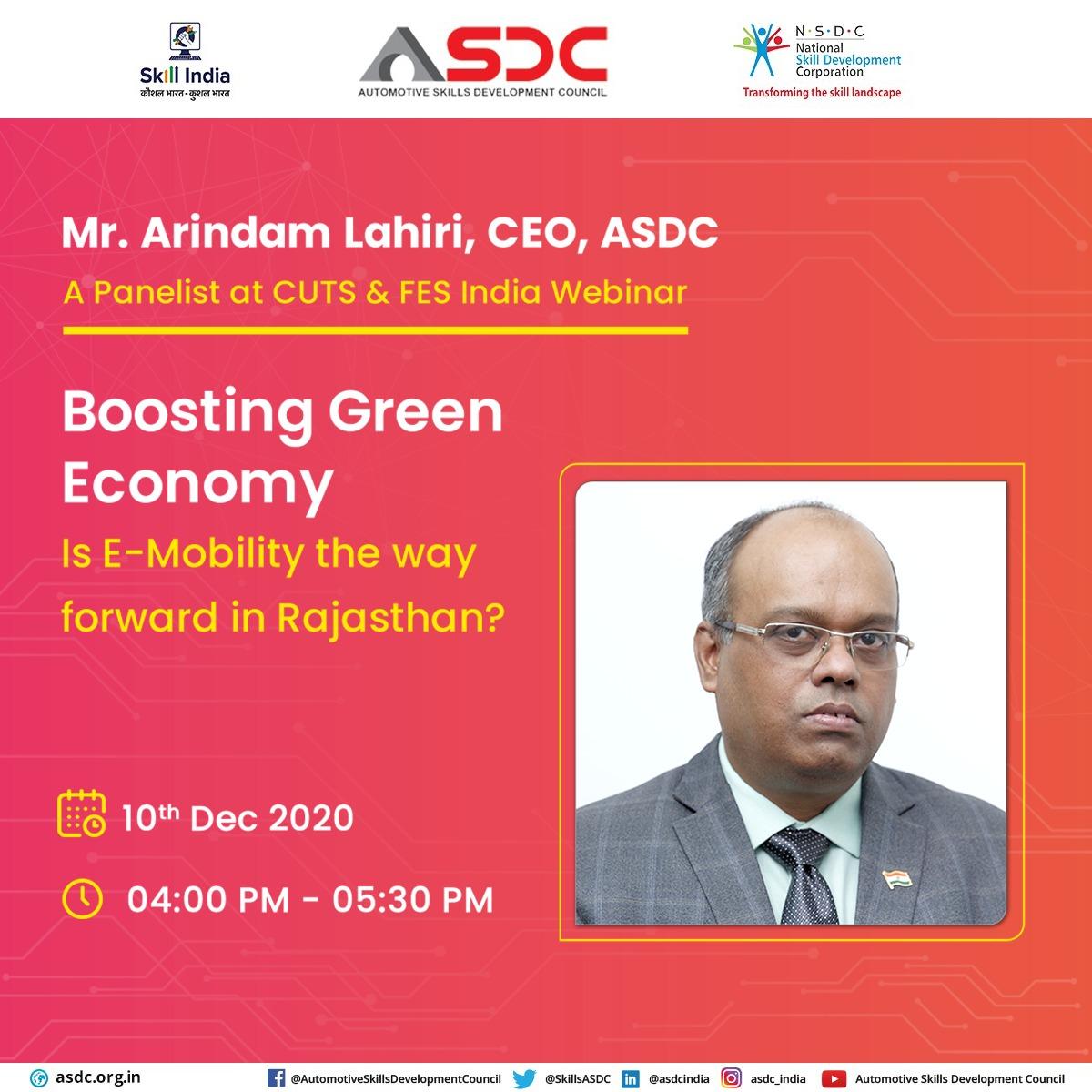
Webinar on Boosting Green Economy Is E mobility the way forward in Rajasthan
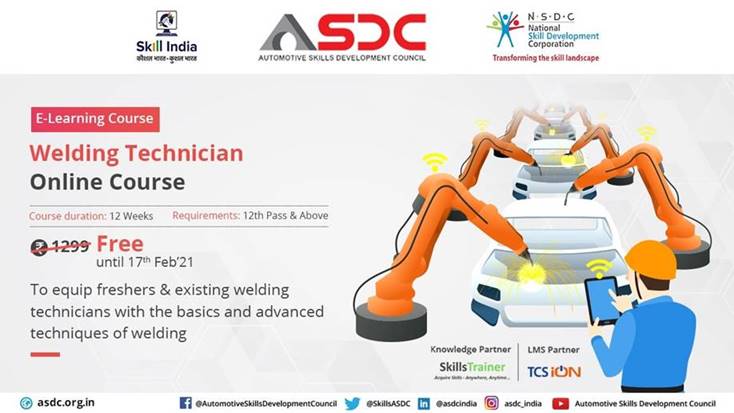
Welding Technician, Online Course
Auto Serve 2020 is back! Join us at India's most trusted exhibition and trade fair from 23rd Nov’20.
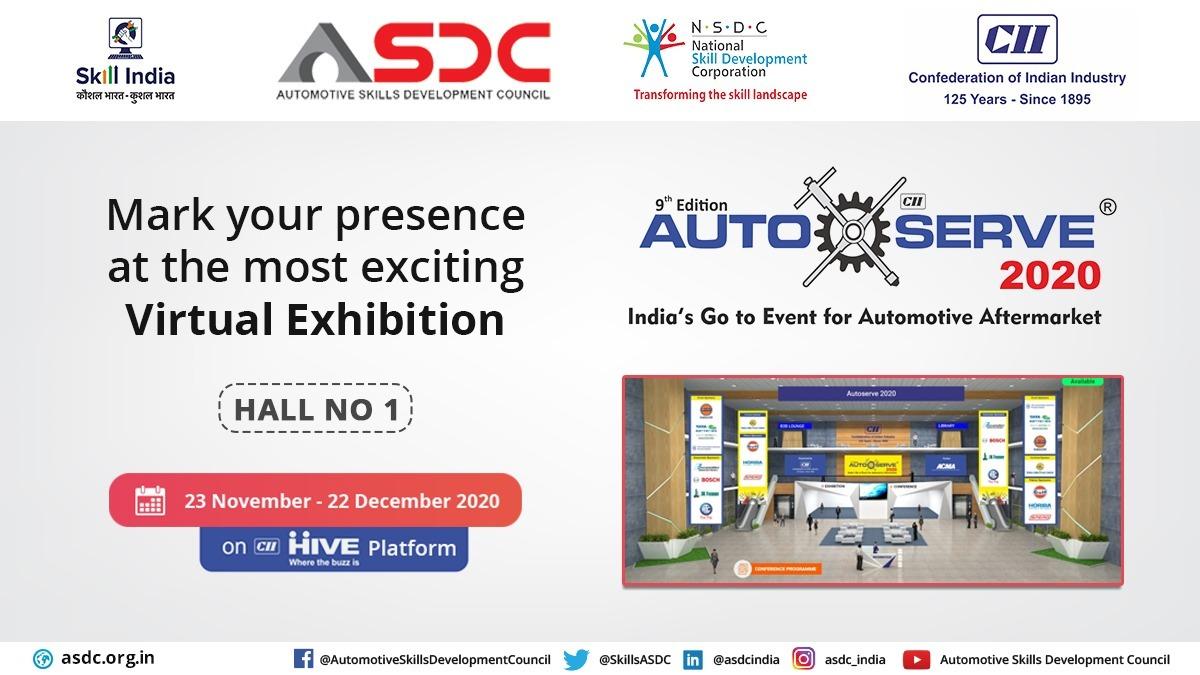
9th edition of AutoServe2020 organized by the Confederation of Indian Industry
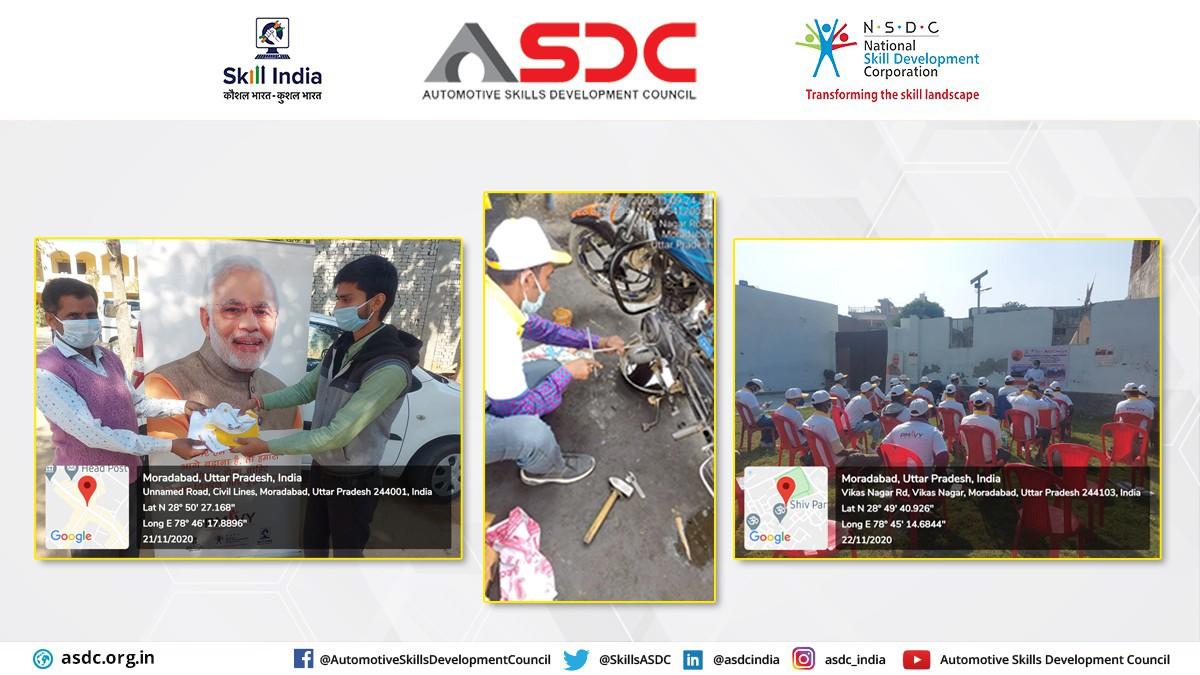
ASDC- RPL-1 training & assessment program at Skillsource Learning and Technologies training Centre in NTI Moradabad, Uttar Pradesh

Managing the changing skills demand in a global industry
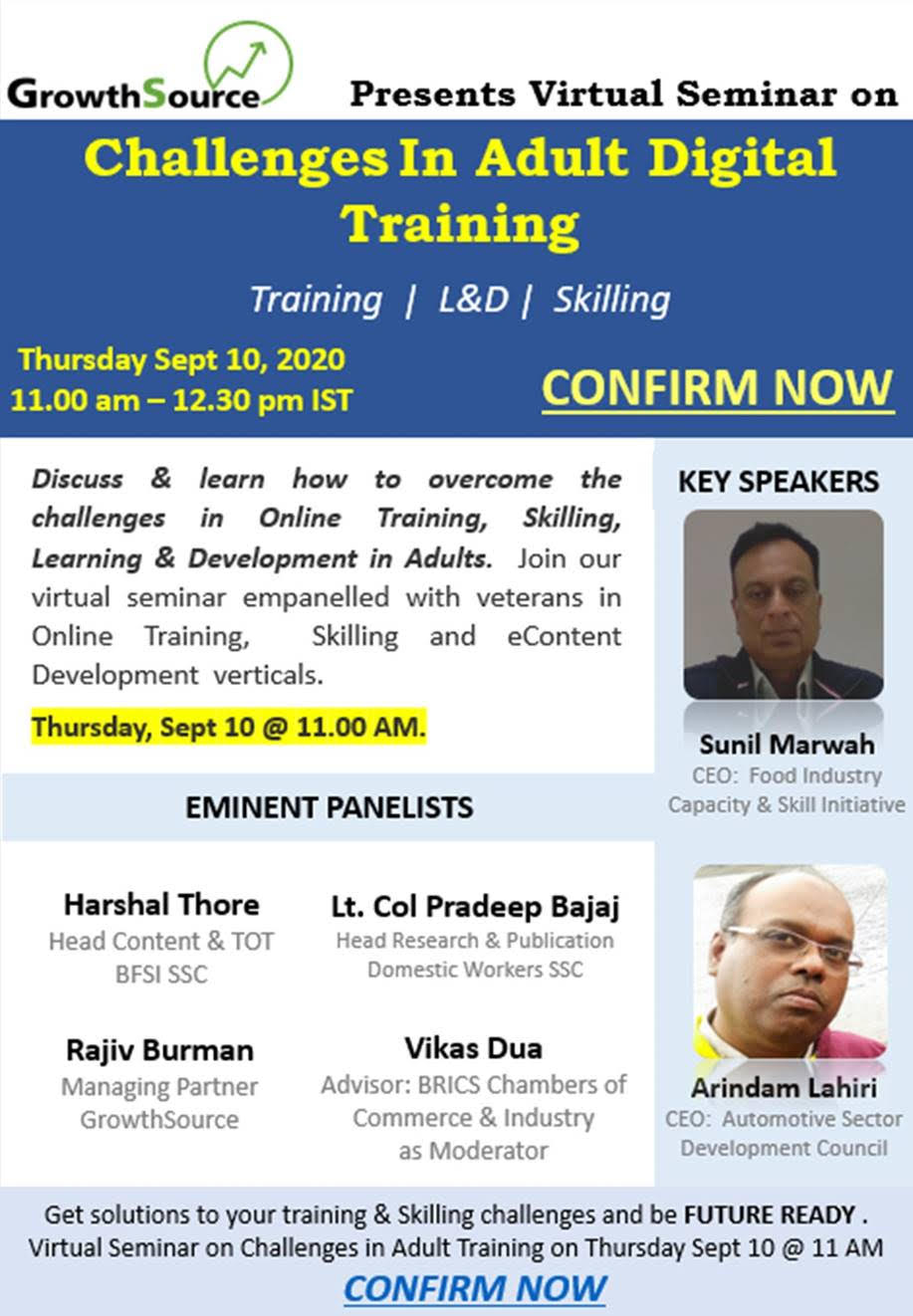
Exclusive SSC Webinar: Join to discuss and learn from experts on Adult Digital Learning
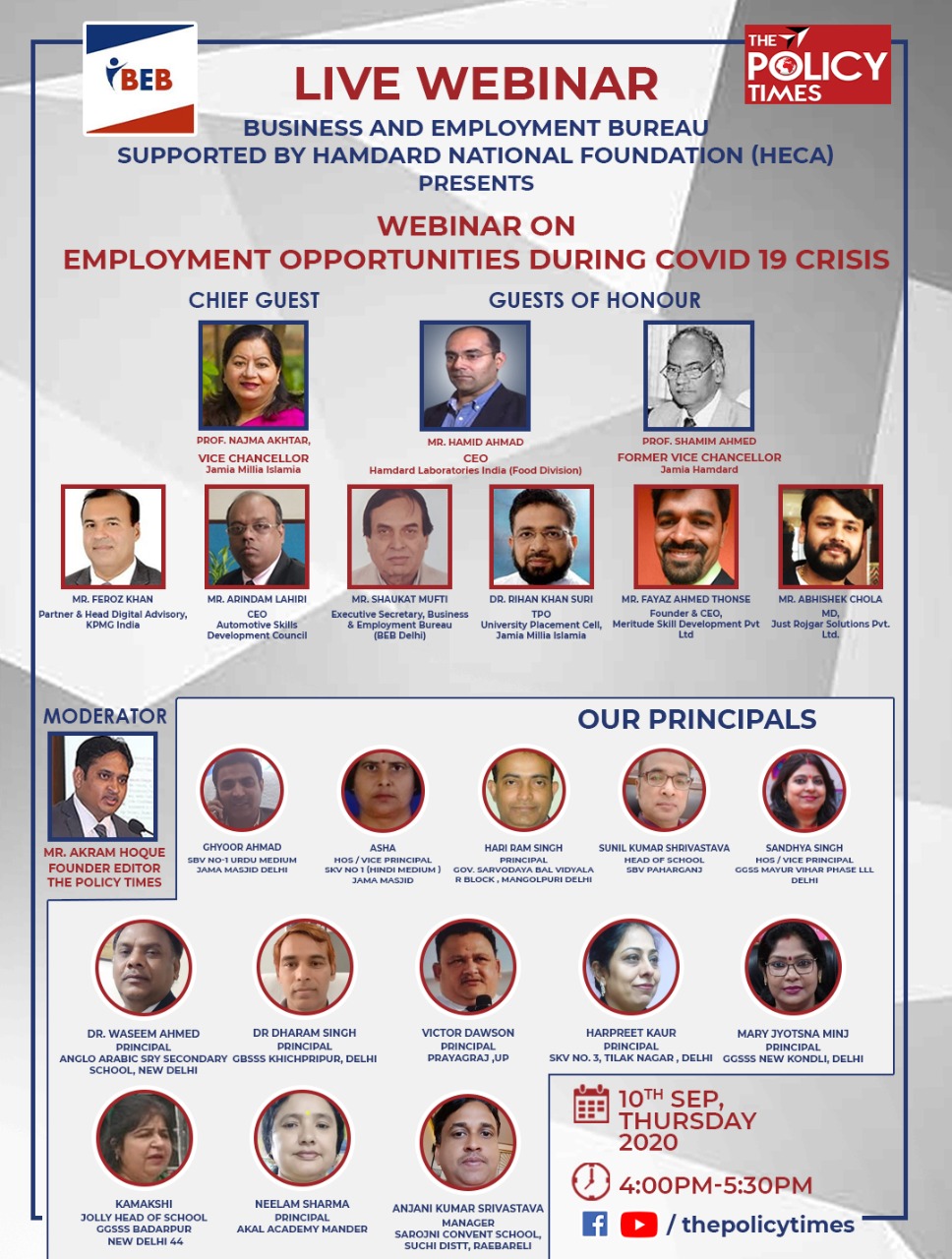
Webinar on Employment Opportunities During COVID -19 during 4pm - 5:30pm on Thursday , 10th Sept 2020
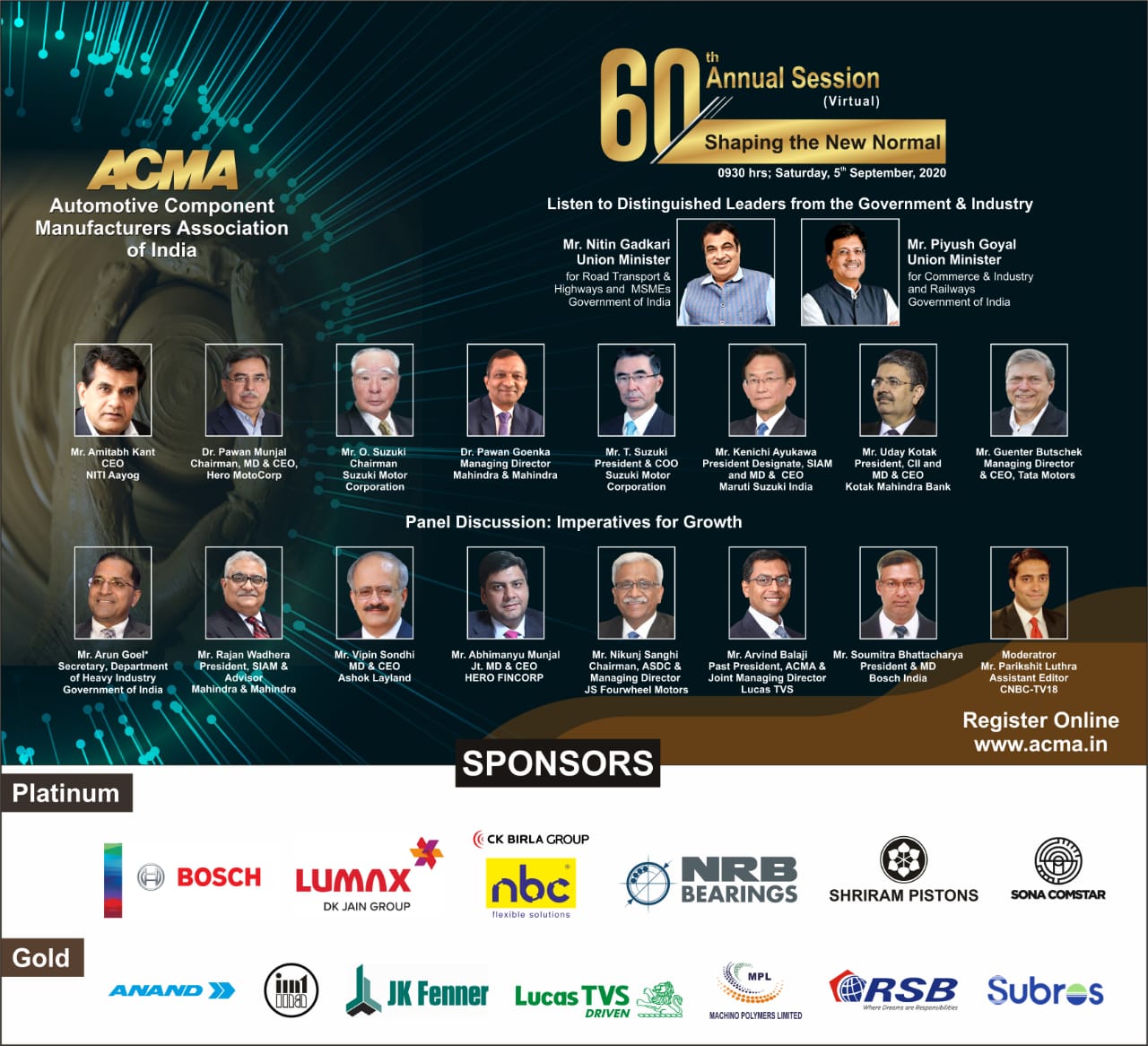
ACMA 60th Annual Session(Virtual), 09: 30 hrs: September 05, 2020
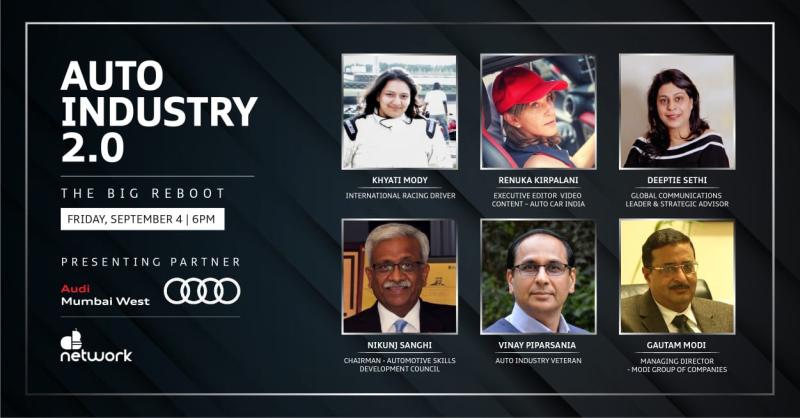
Join us as we drive into the #newnormal for the Auto Industry with our presenting partner @audi_mumbaiwest
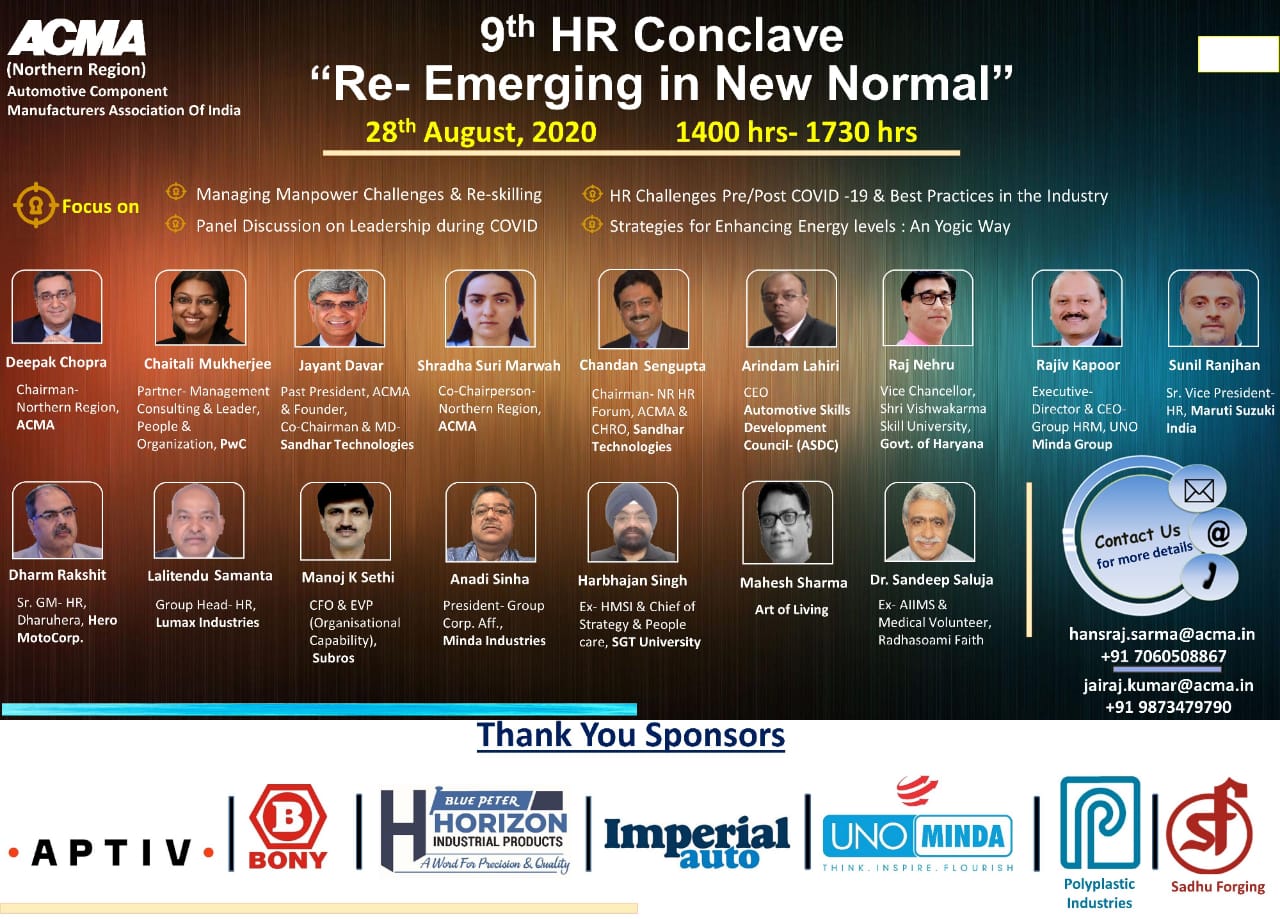
9th HR Conclave Re -Emerging in New Normal
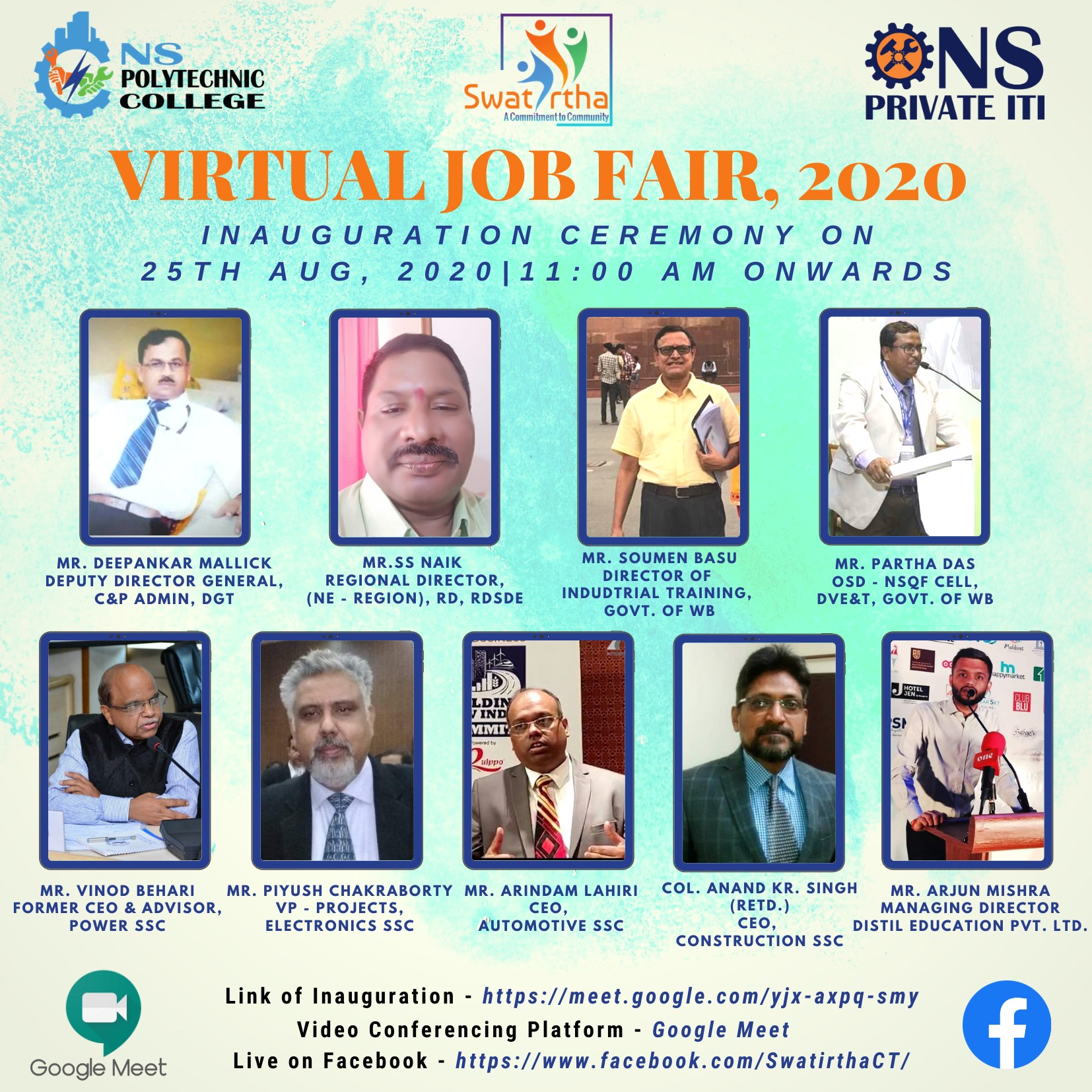
Virtual job Fair 2020
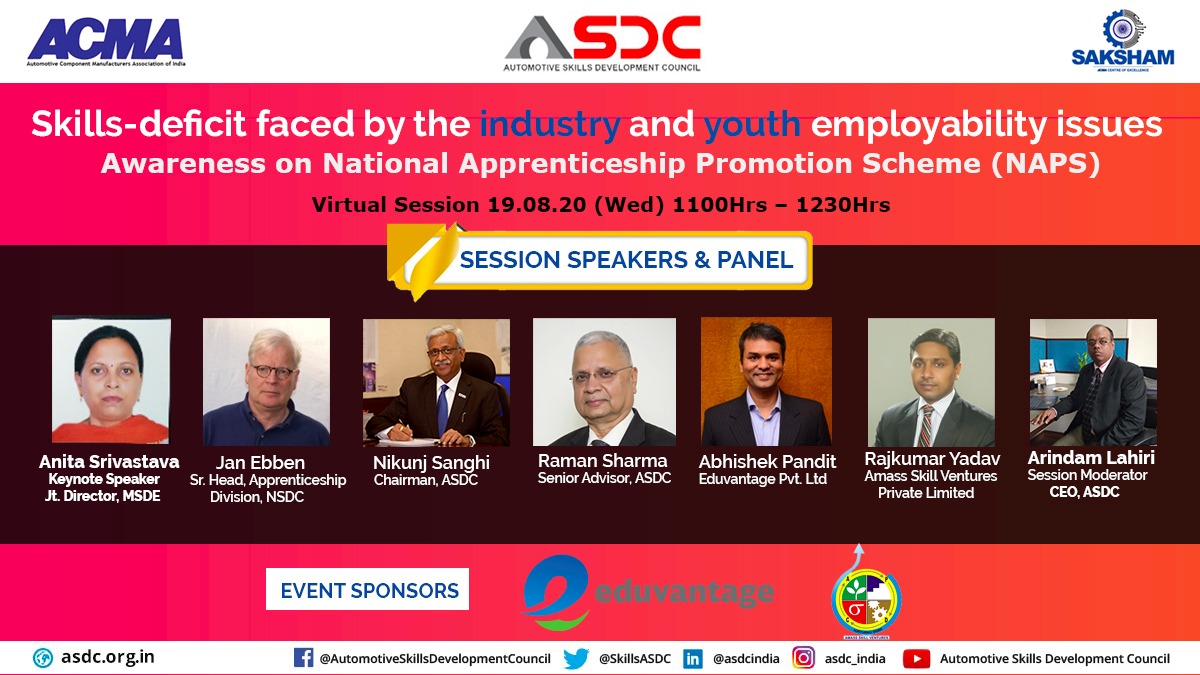
Skills -Deficit faced by Industry and Youth employability Issue

E-Learning course offered by carmate in association with NATRAX and certification partner ASDC
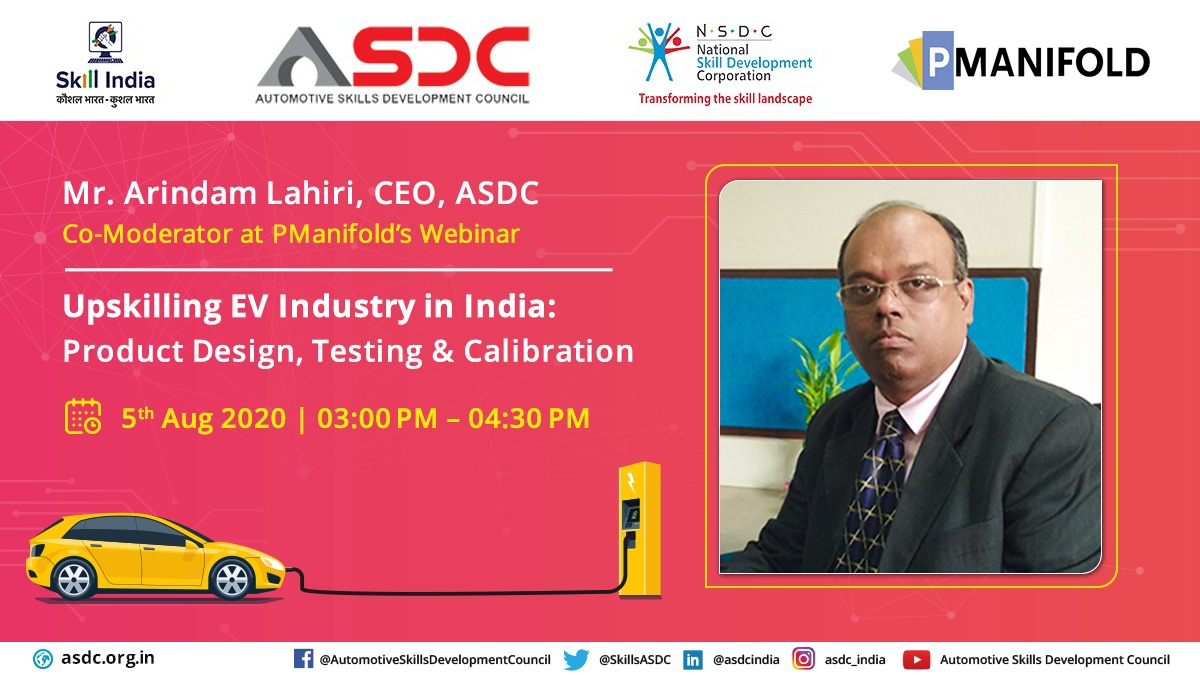
Mr. Arindham Lahiri, CEO, ASDC Co-Moderator at PManifold Webinar
Upskilling EV Industry in India: Product Design, Testing and Calibration
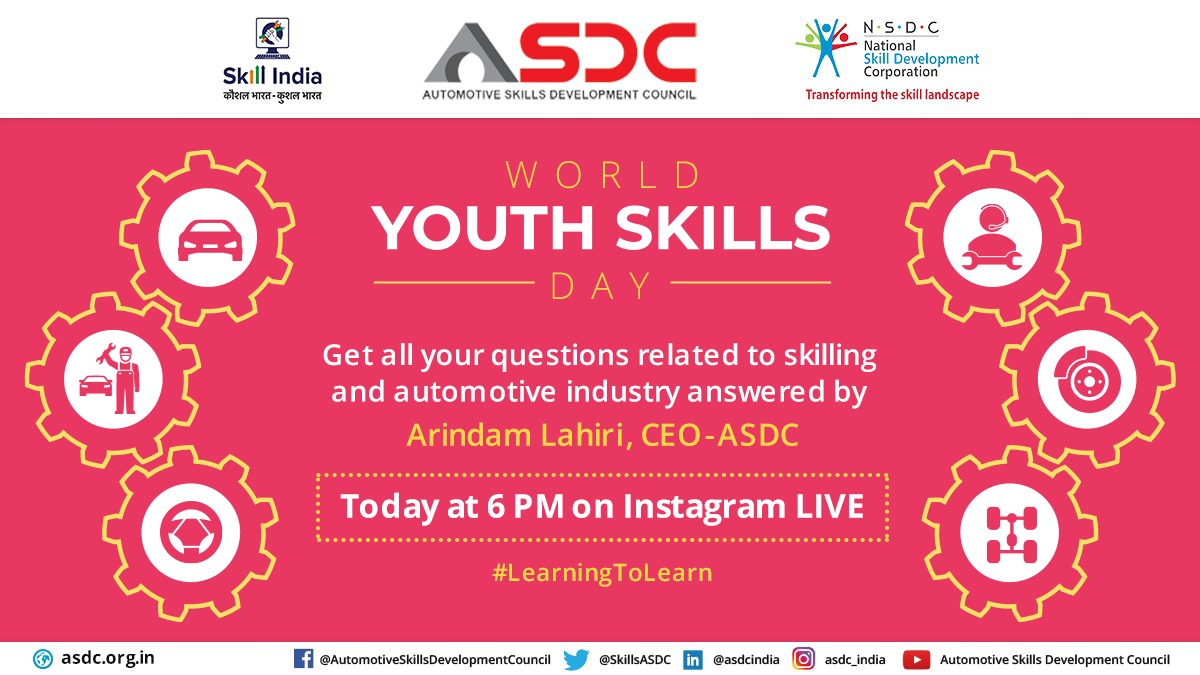
World Youth Skills Day

Digital Sales Master Class
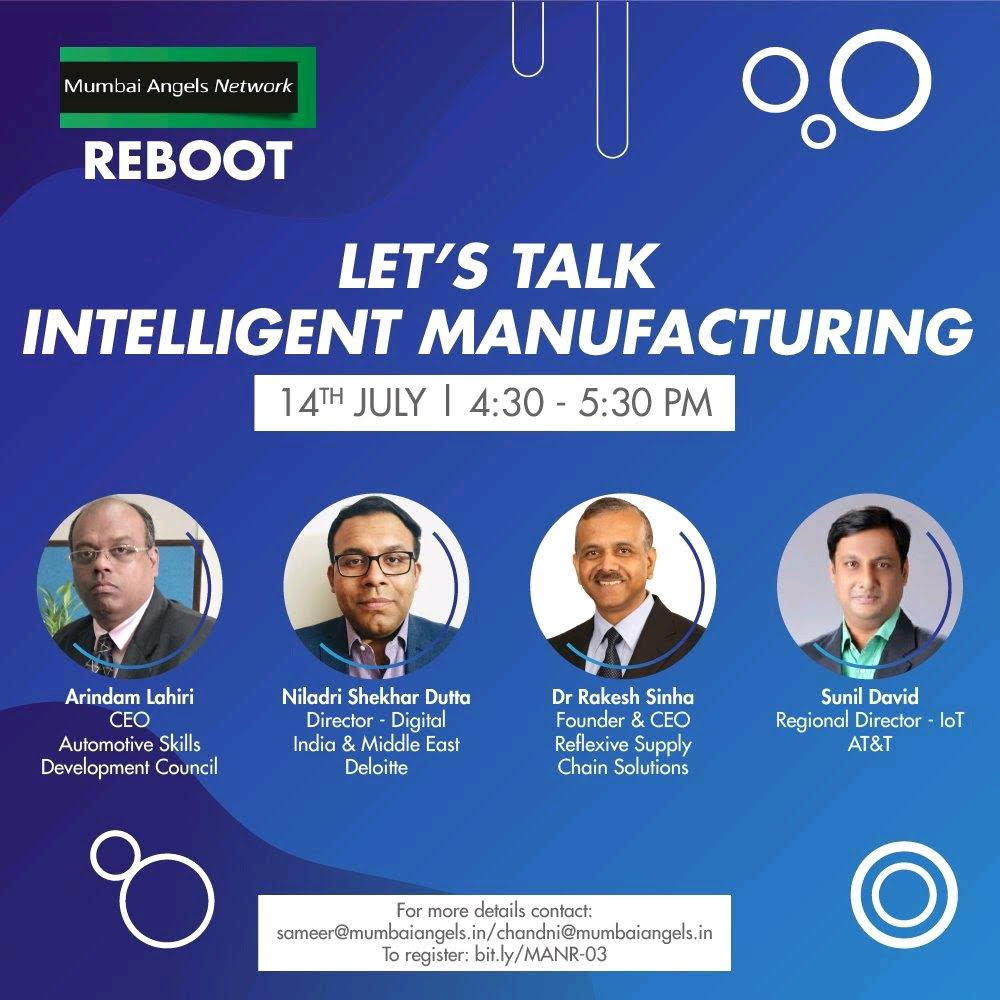
REBOOT : Let's Talk Intelligent Manufacturing
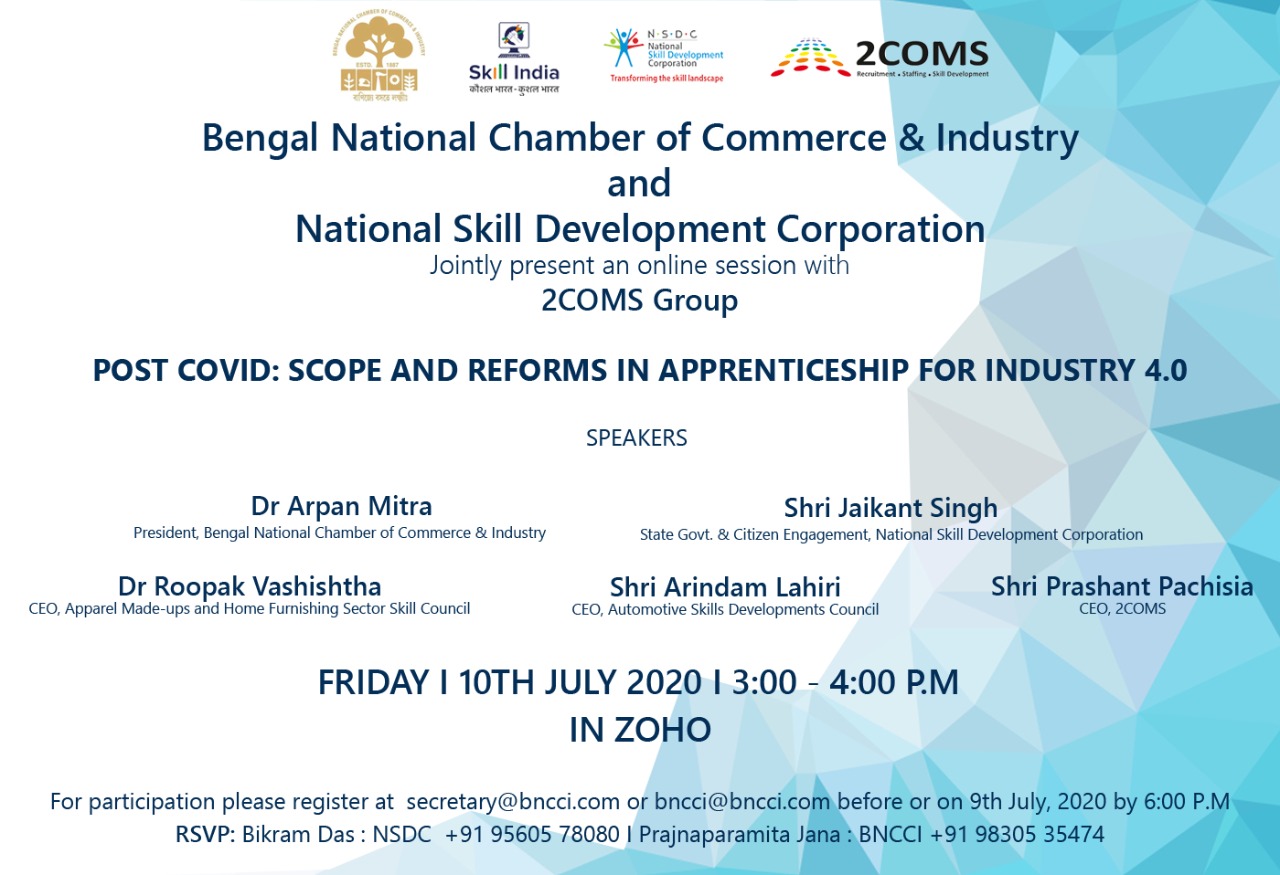
Bengal National Chamber of Commerce and Industry and National Skill Development Corporation in association with 2COMS present an online session on Post Covid- Scope and Reforms in Apprenticeship for Industry 4.0.
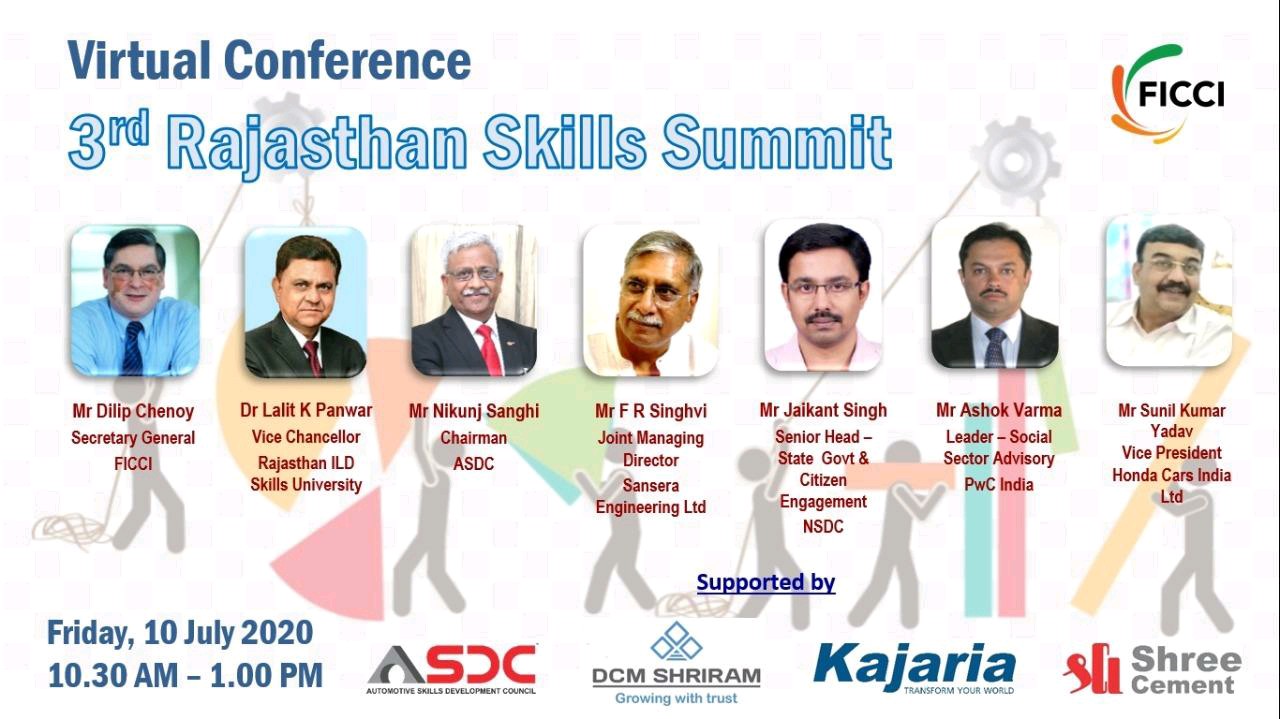
Join the conversation with Mr. Nikunj Sanghi, Chairman-ASDC, and Mr. Singhvi, Chairman- ACMA India, Skilling Pillar & Treasurer –ASDC along with the other prominent industry leaders at the Rajasthan Skills Summit organized by FICCI Rajasthan
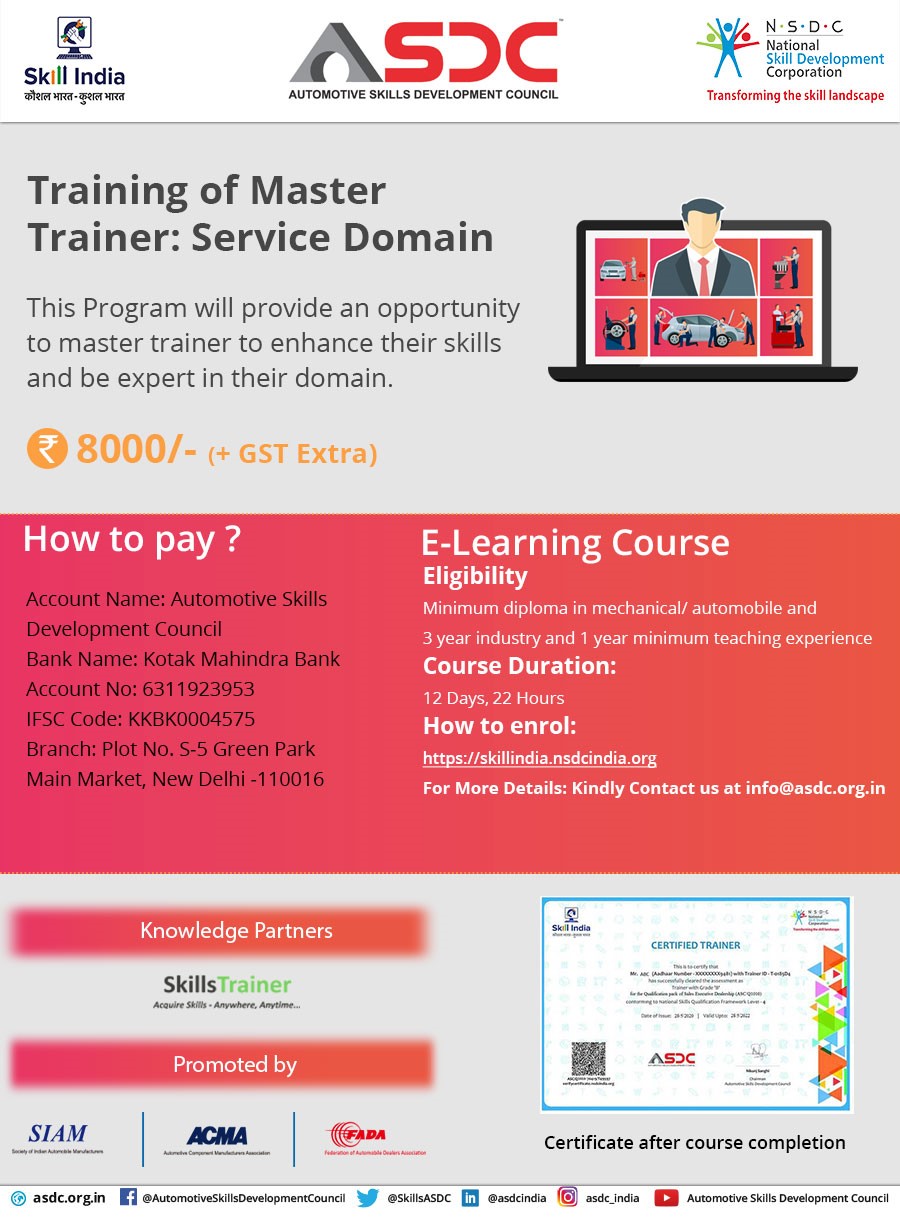
Training of Master Trainer : Service Domain
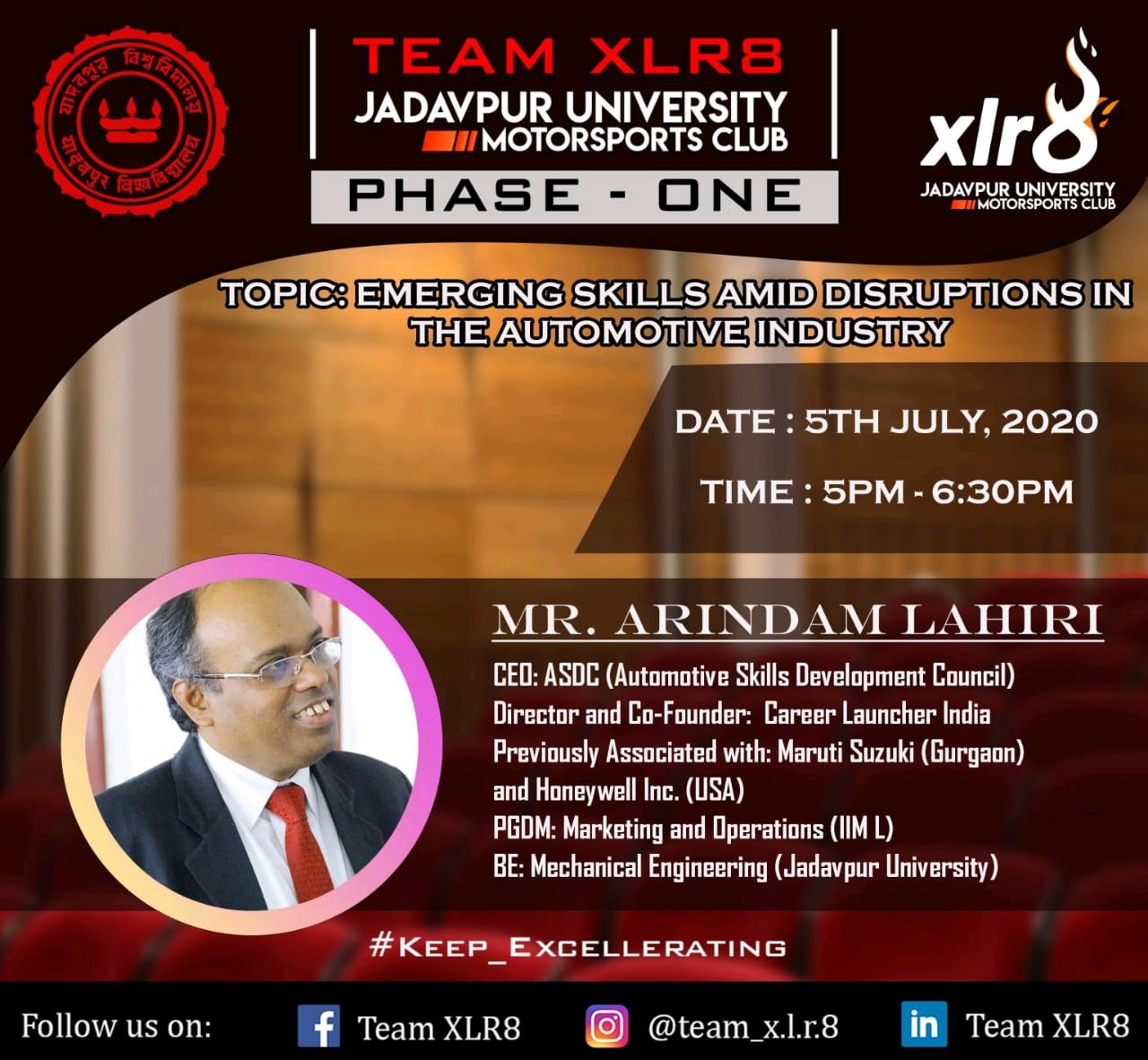
5th July webinar: Emerging Skills Amid Disruptions in the Automobile Industry
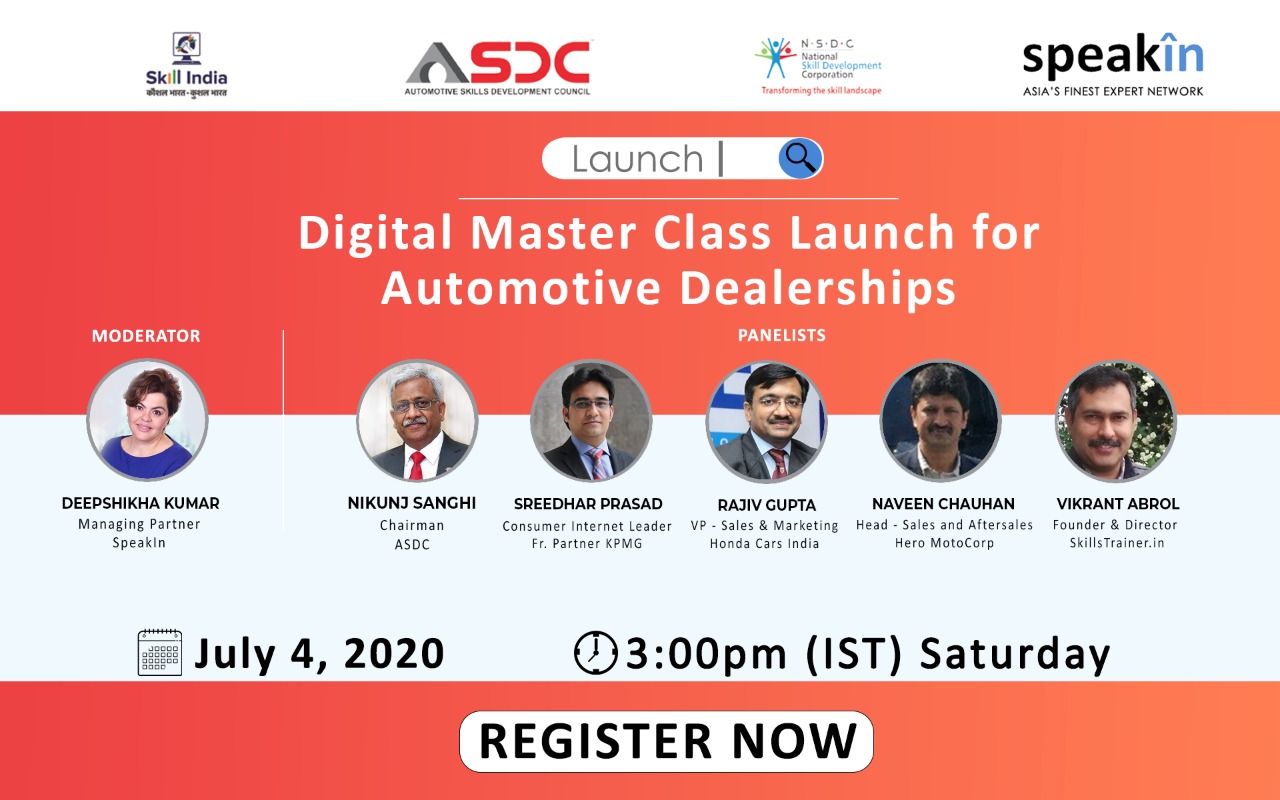
Digital Master Class Launch for Automotive dealerships
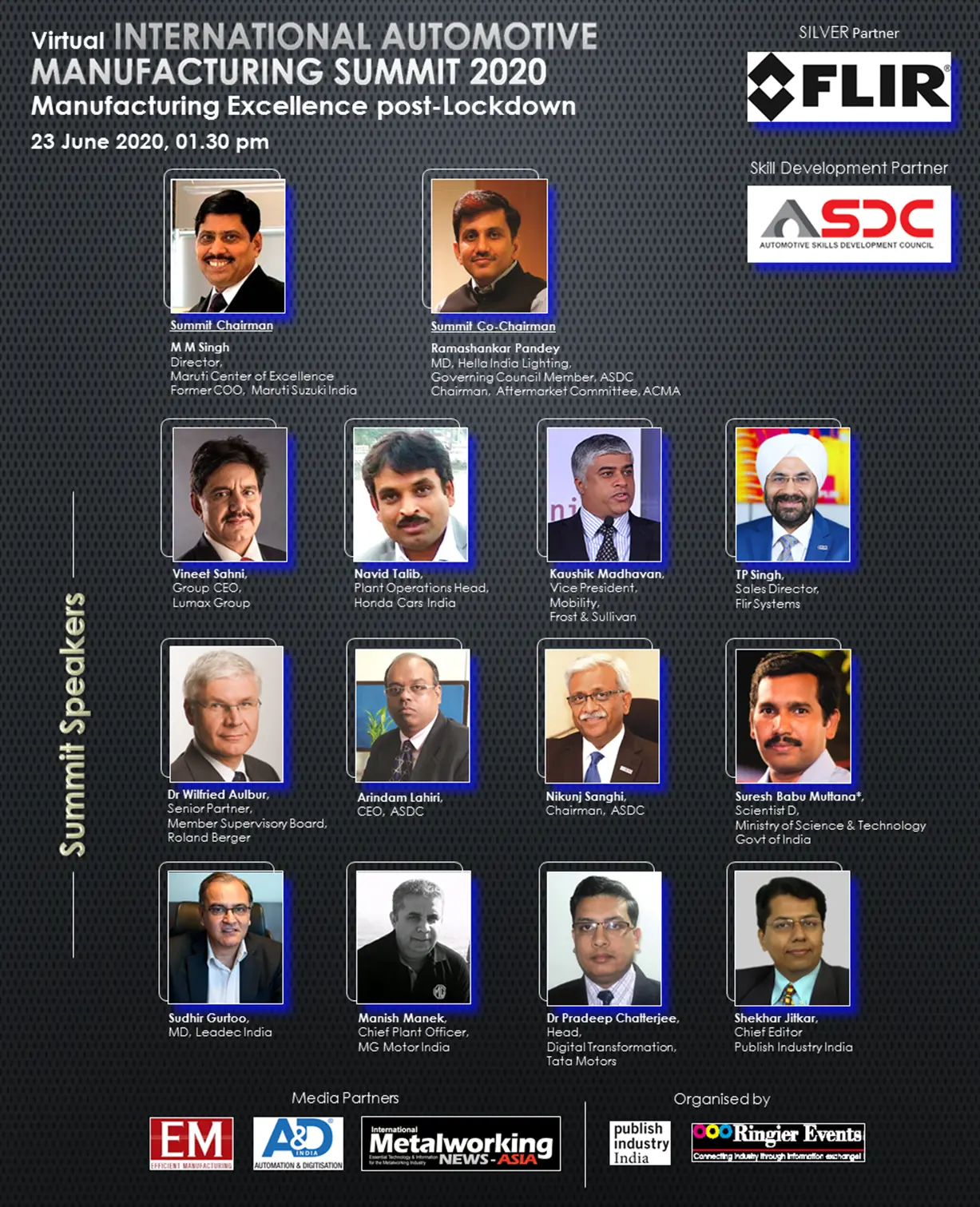
Virtual INTERNATIONAL AUTOMOTIVE MANUFACTURING SUMMIT 2020 Manufacturing Excellence post-Lockdown
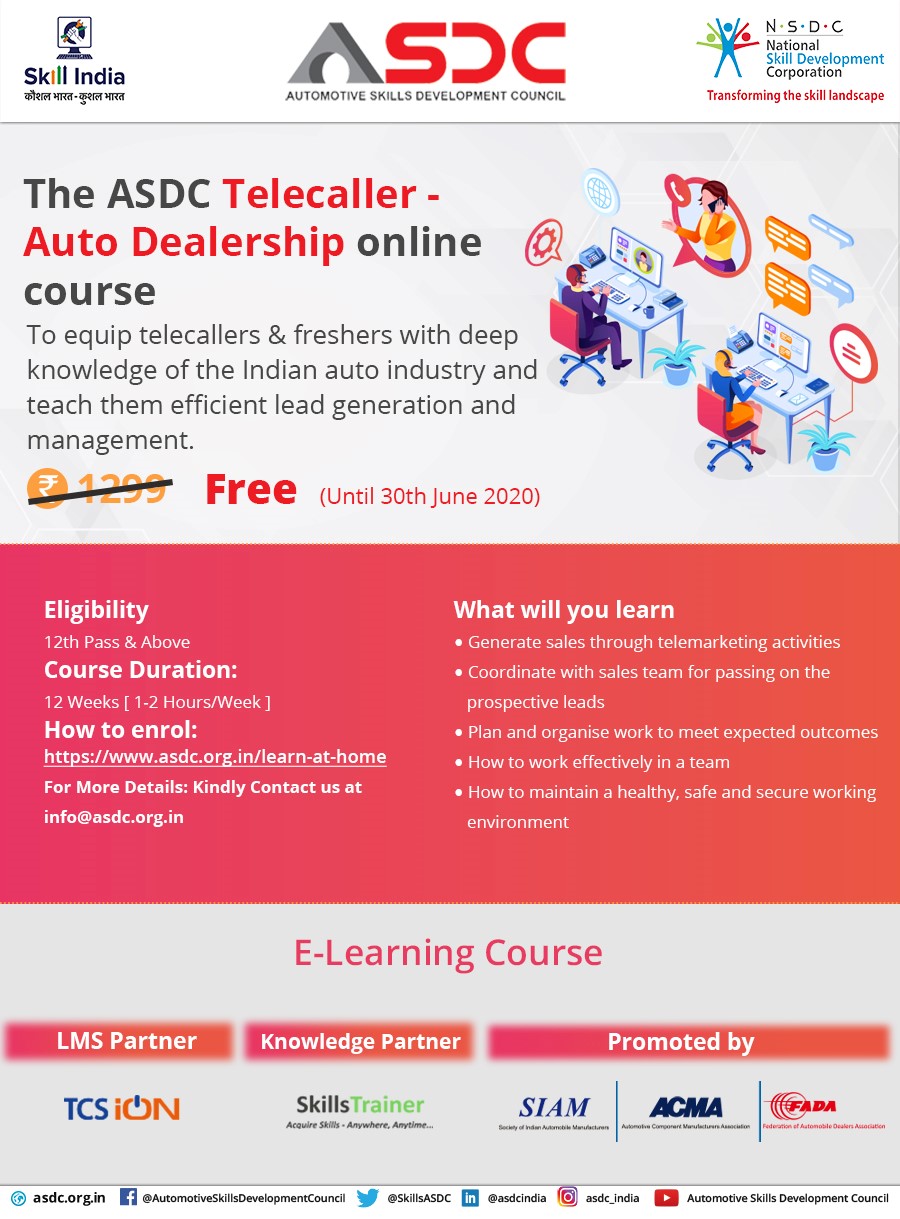
The ASDC tellecaller -Auto Dealership Online Course
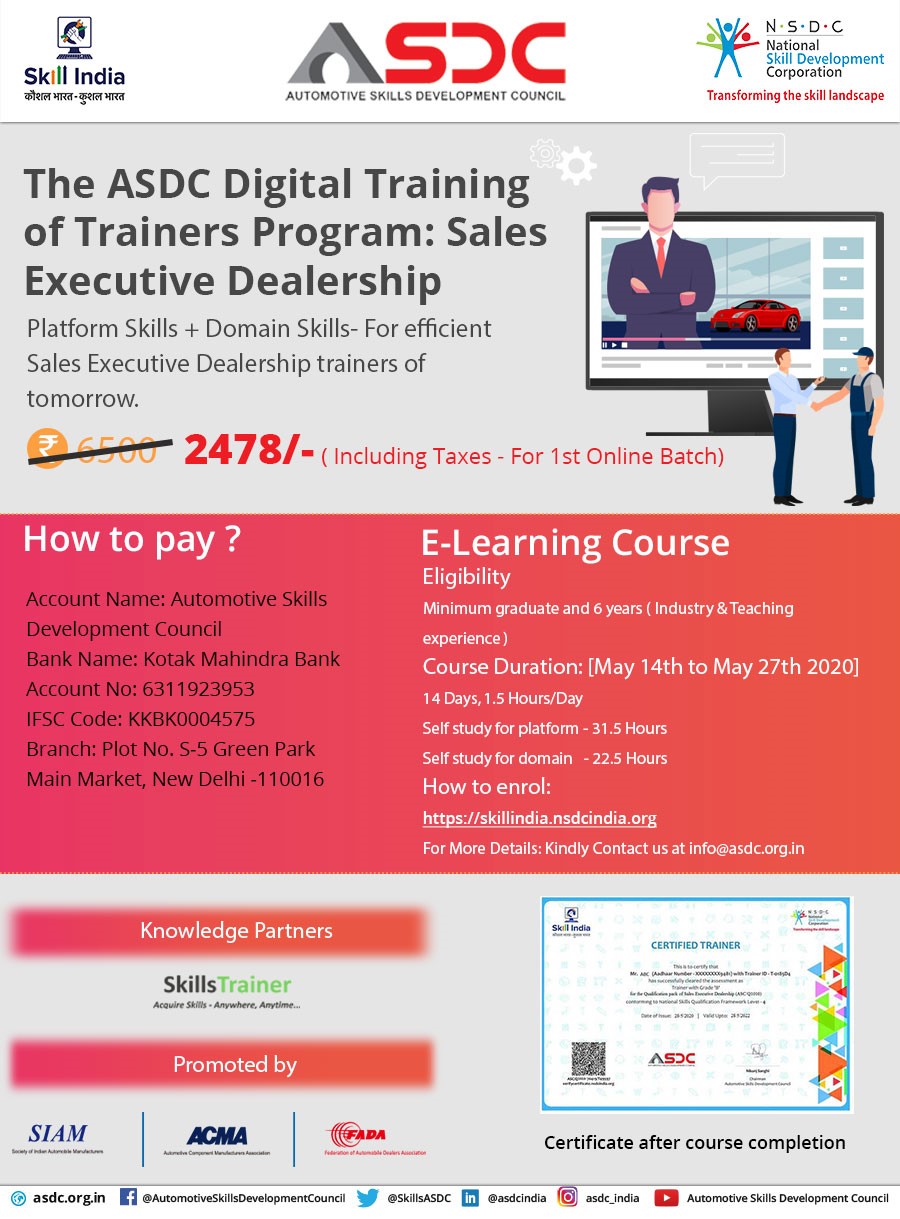
Digital Training of Trainers Program : Sales executive dealership
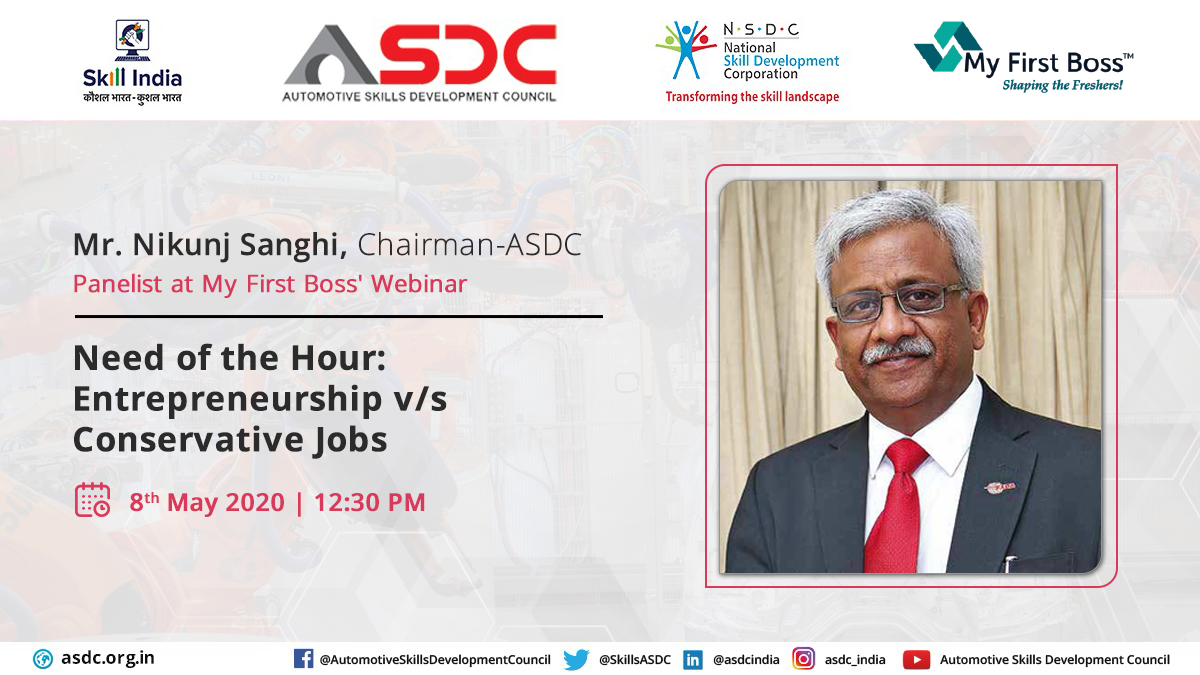
Mr. @nikunjsanghi, Chairman– ASDC, will be one of the esteemed panellists at the webinar organized by @myfirstboss1 on 8th May 2020
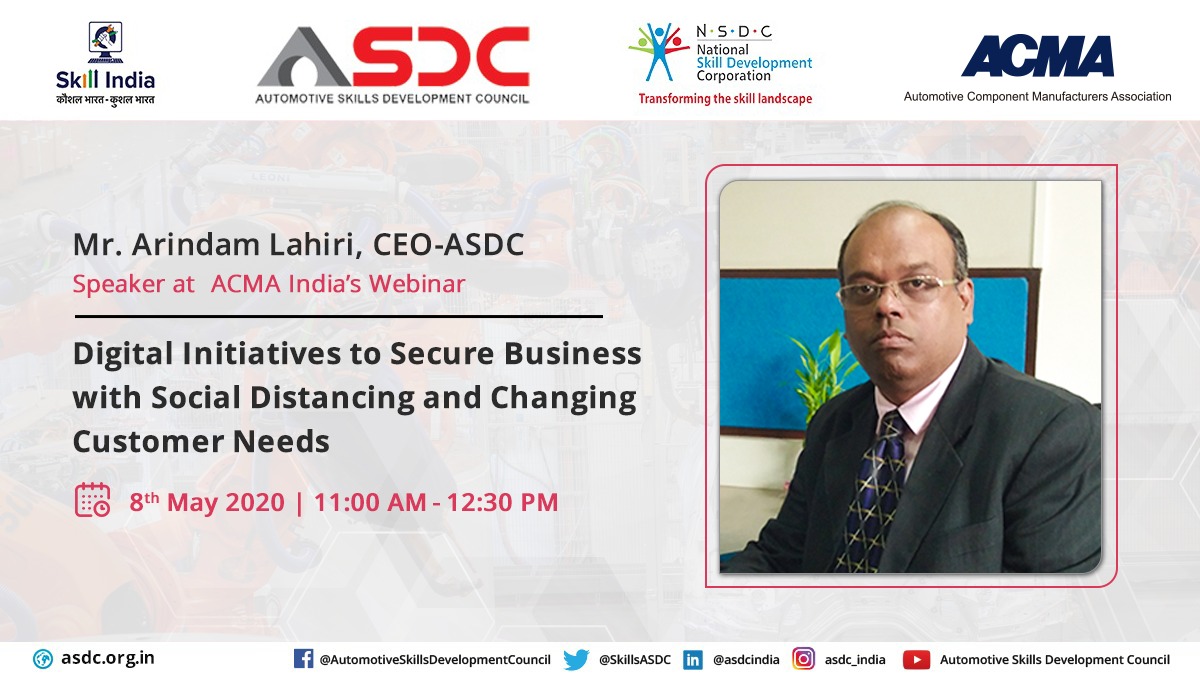
Mr. ARINDAM LAHIRI, CEO - ASDC, will be one of the key speakers at the webinar. Register now
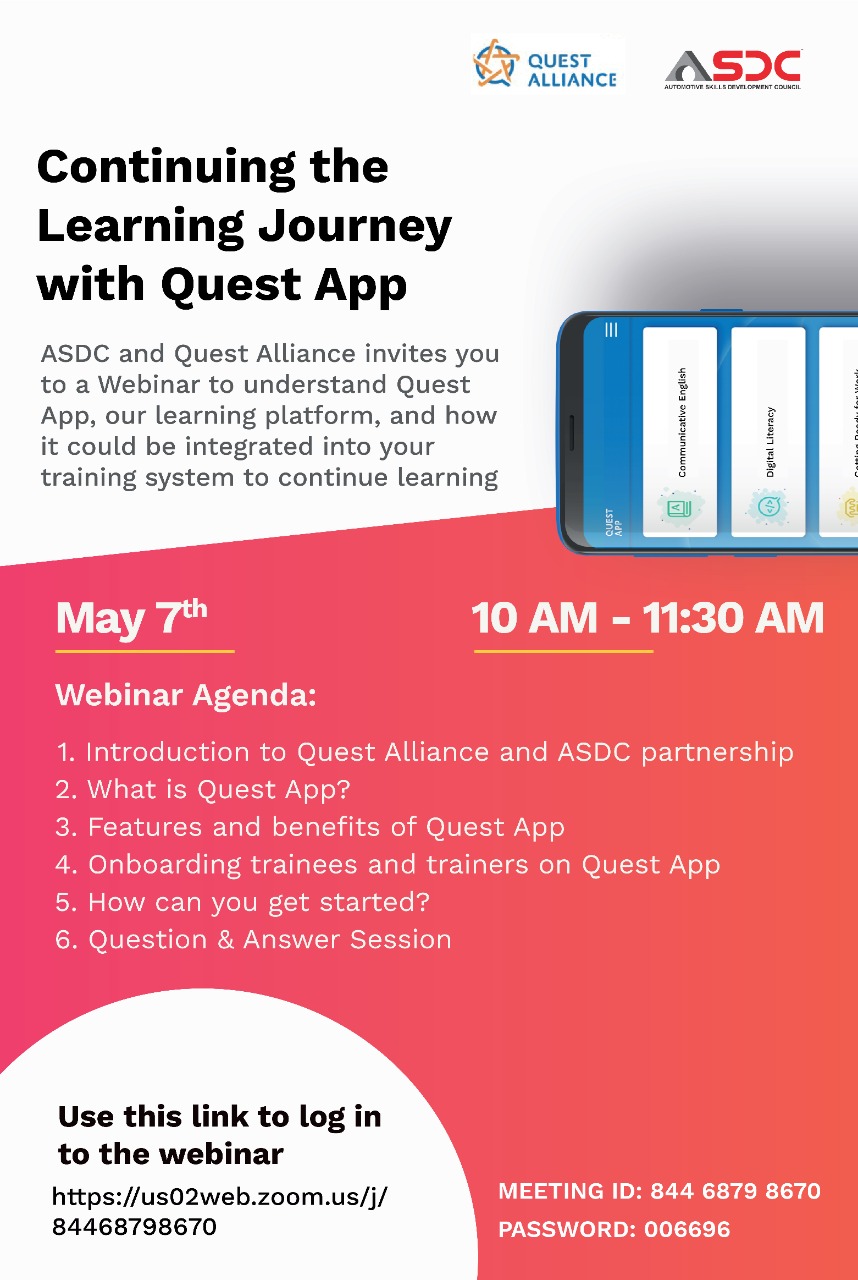
Continuing the Learning journey with Quest App : 7th May, 10 AM to 11:30 AM
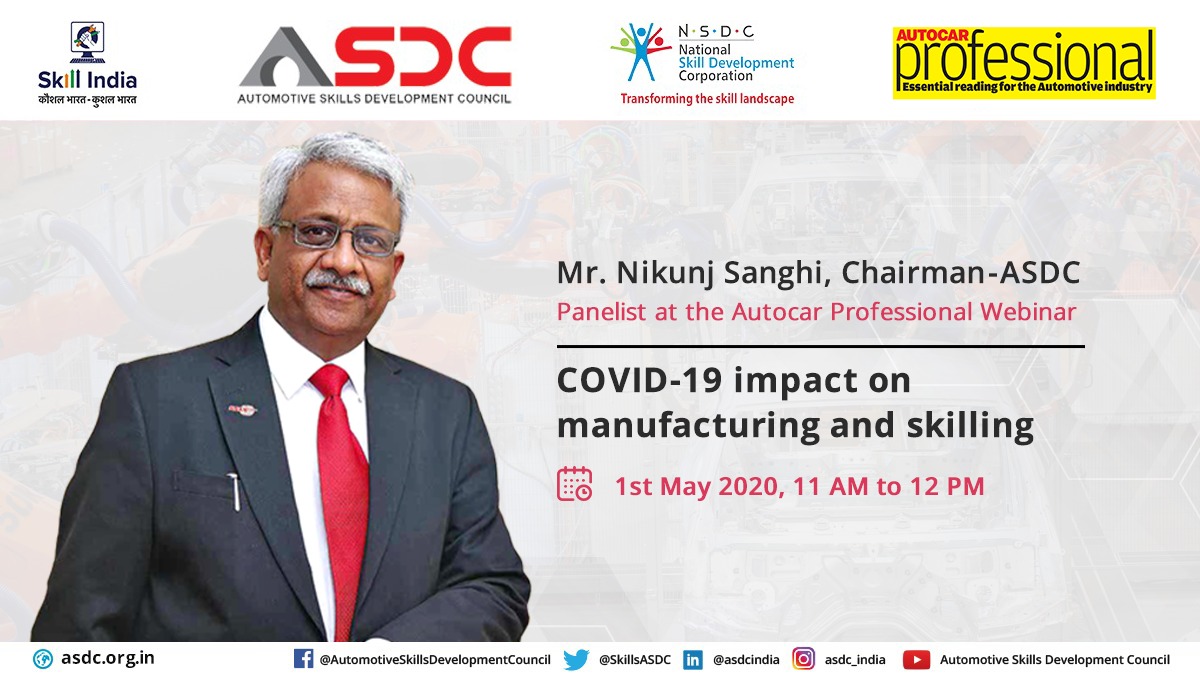
COVID-19 impact on Manufacturing and Skilling.
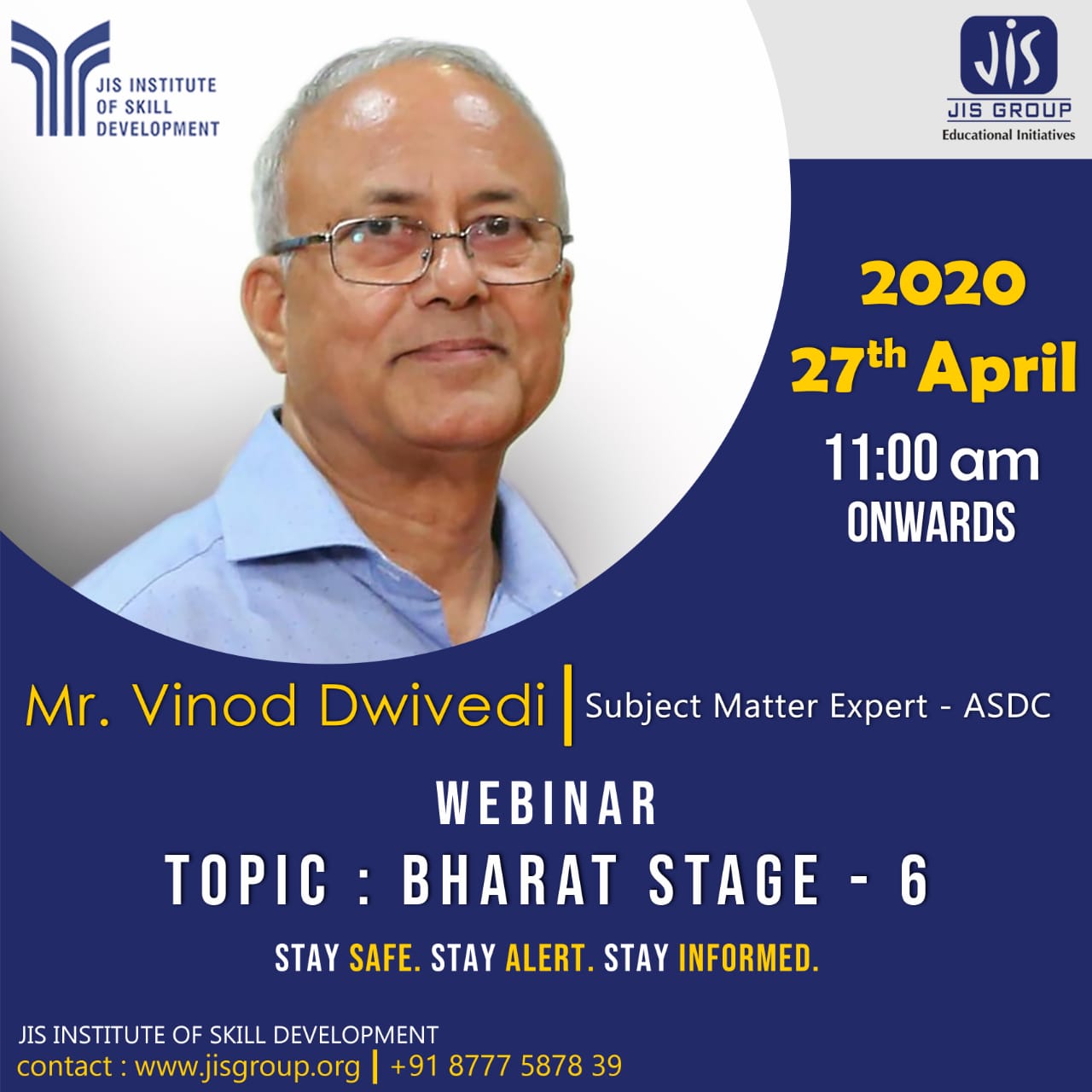
Technilological changes in Bharat Stage 6 (BS VI) vehicles Session by SME , ASDC Time: Apr 27, 2020 11:00 AM Mumbai, Kolkata, New Delhi
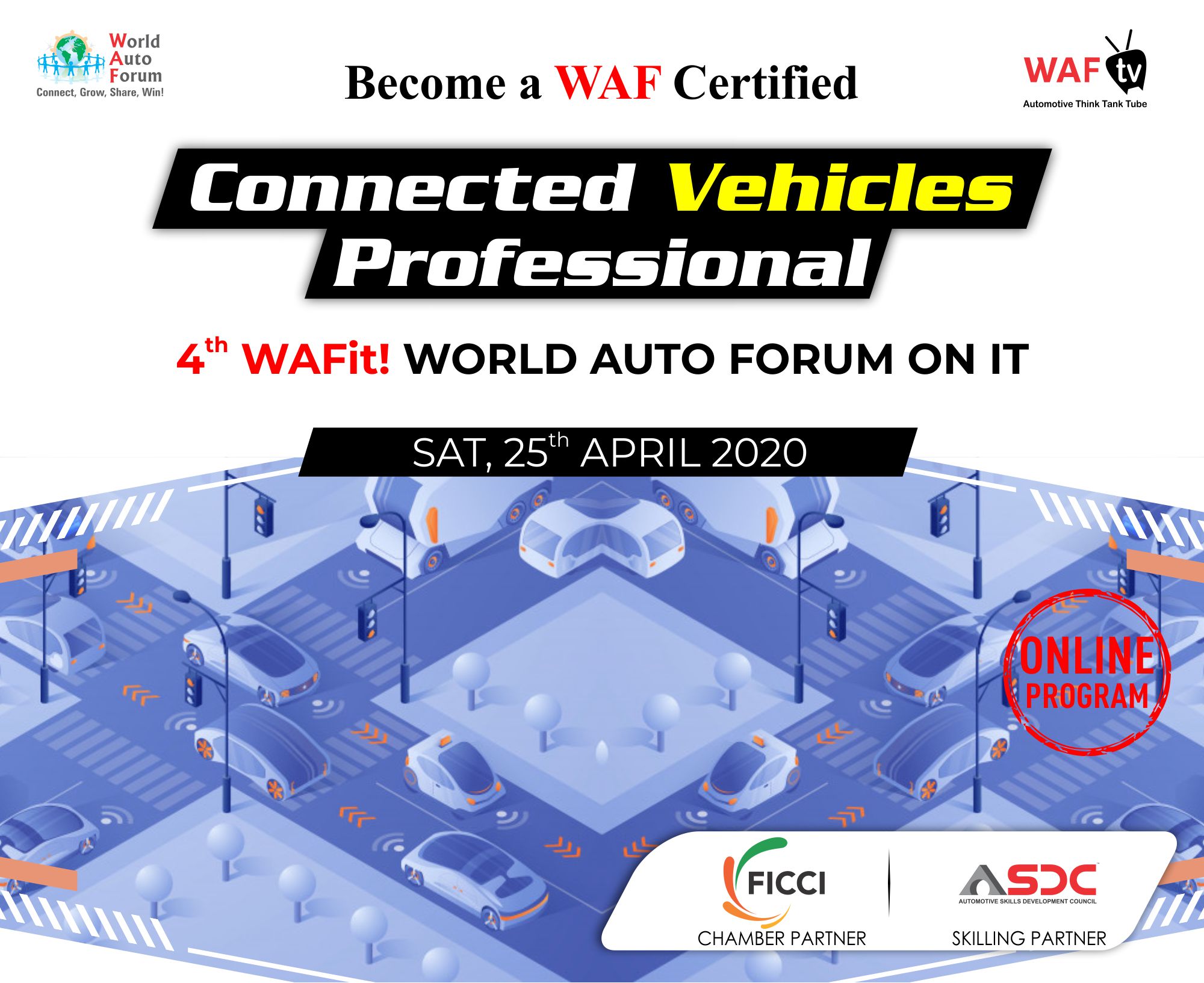
Knowledge plus Certification. Sat April 25, 11 AM to 5 PM. The Best Investment for your Career. Block your Slot Now.
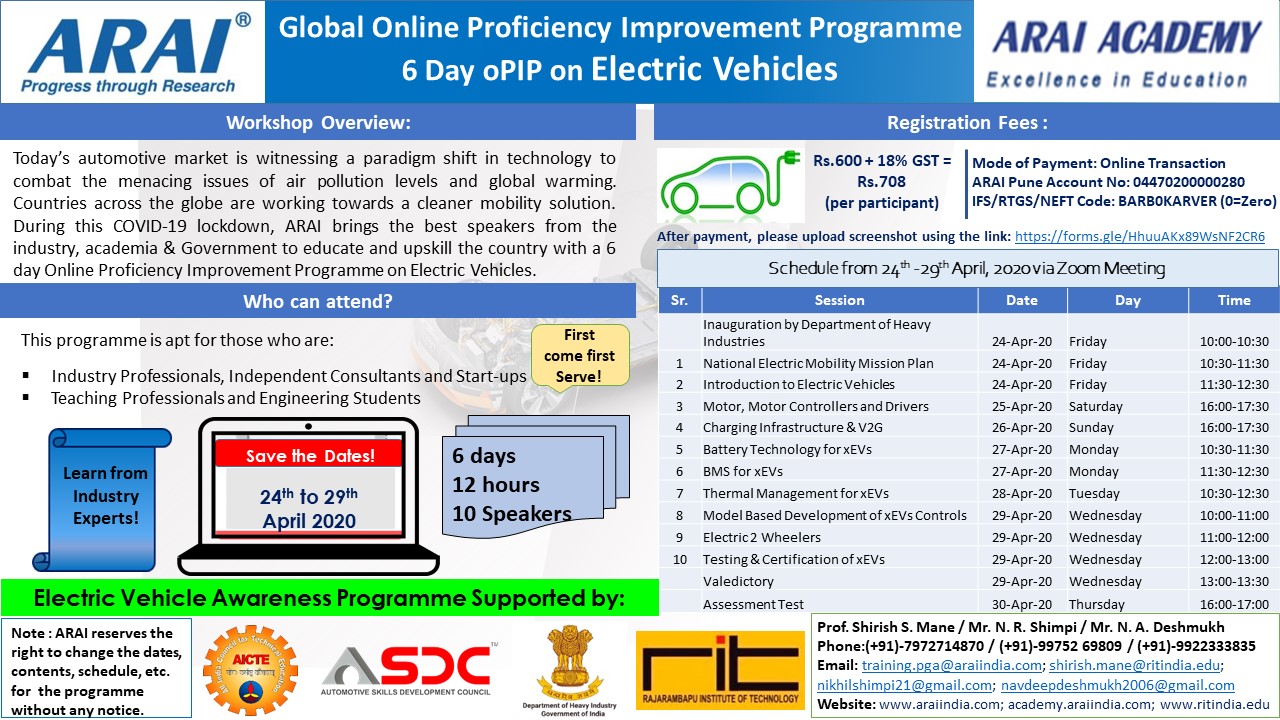
Velidictory Function for the 6 Day Global Online Proficiency Improvement Programme (oPIP) from 24th – 29th April 2020
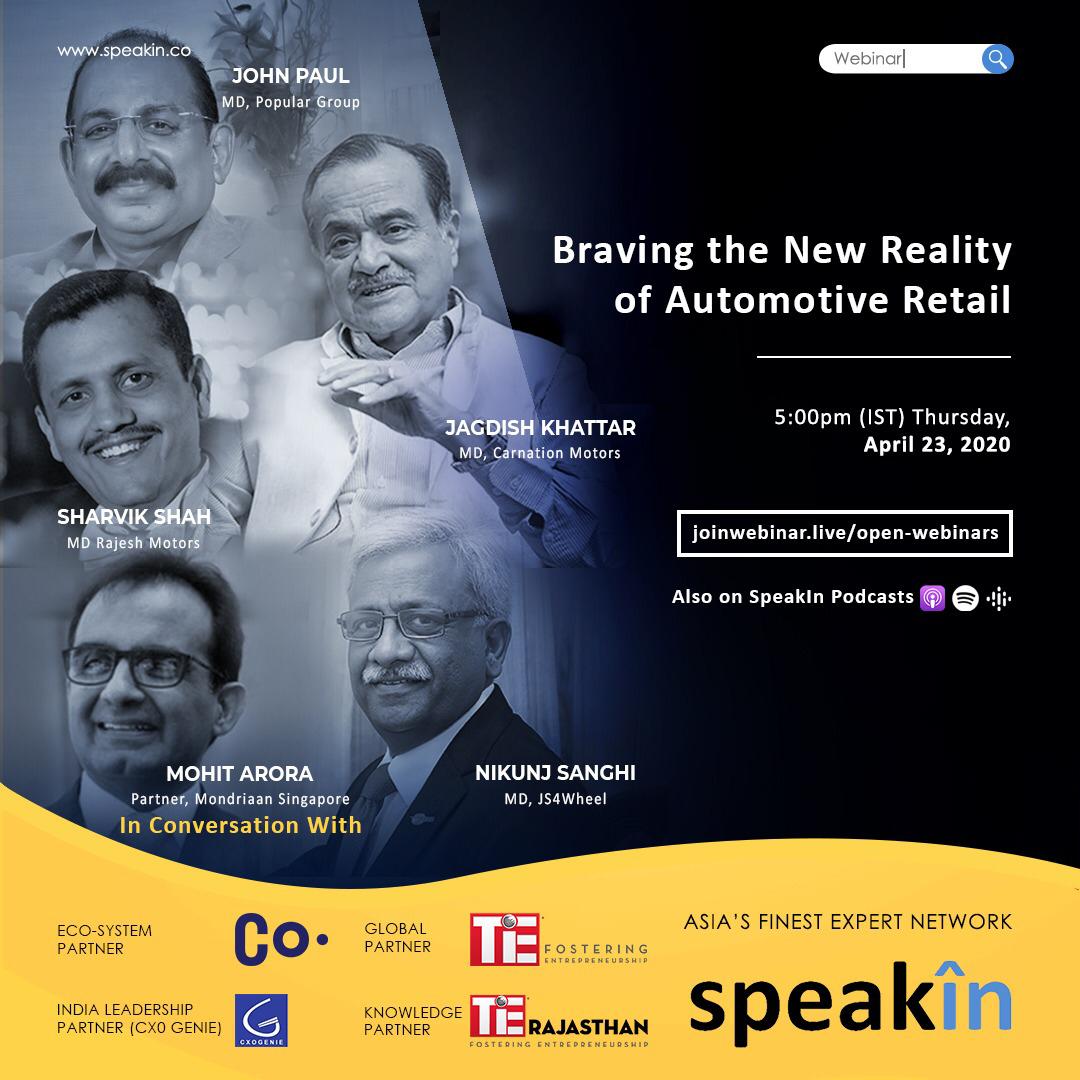
Join the stalwarts of the Automotive Industry in a spirited discussion on 23rd April Time: 5:00 PM
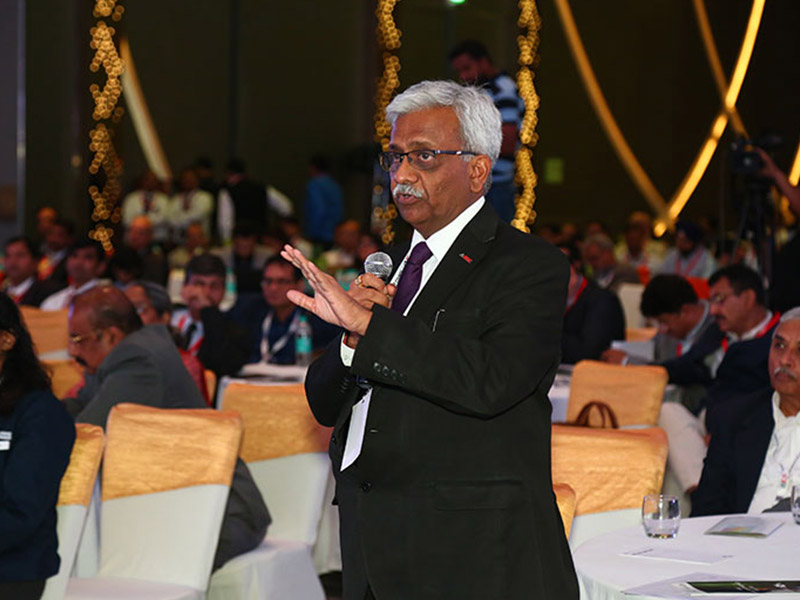
ASDC Annual Conclave 2019
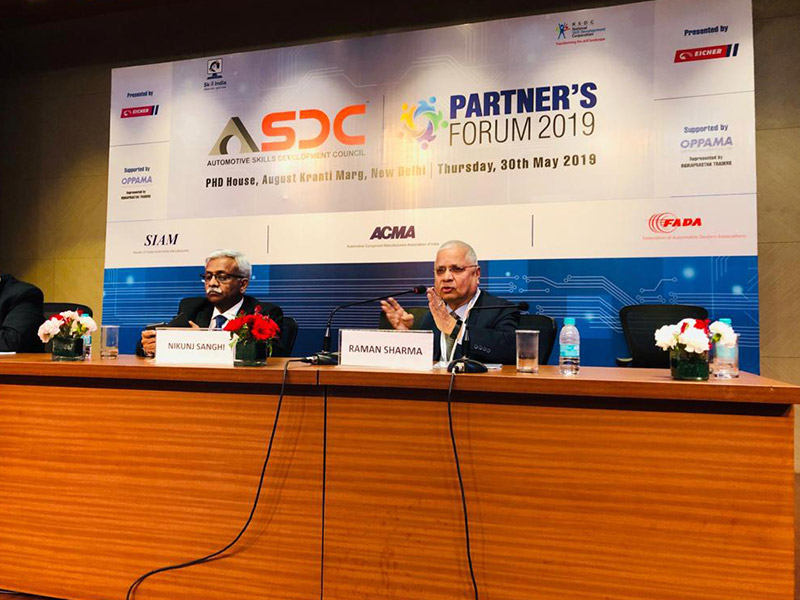
Partners’ Forum 2019
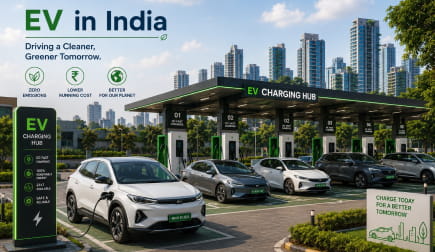
India's electric vehicle transition has crossed from aspiration into reality. As of early 2026, the PM E-DRIVE Scheme has supported more than 28 lakh EVs, with 22.12 lakh units sold as of January 2026.
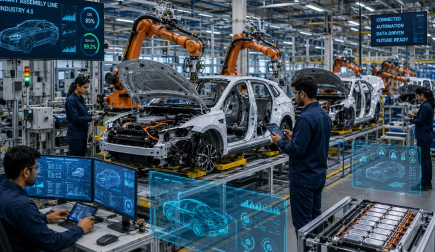
The automotive industry is undergoing its most significant structural shift in over a century. Across the world, OEMs are retooling factories, rewriting production playbooks, and rethinking their workforce requirements as electric vehicles move from niche products to mainstream manufacturing priorities.
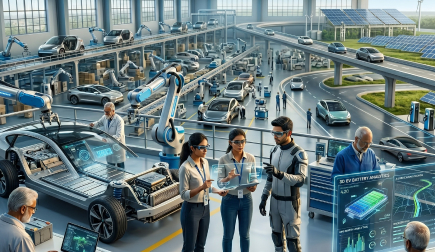
The auto industry in India is racing toward electrification, connectivity and automation. New automotive jobs will center on electric vehicles (EVs), software and advanced electronics.
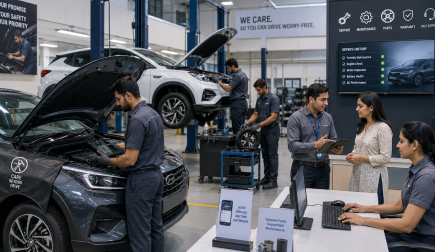
The Indian auto sector is undergoing a rapid transformation. Electric vehicles (EVs), connected car technology, and advanced driver-assistance systems (ADAS) are reshaping the landscape.
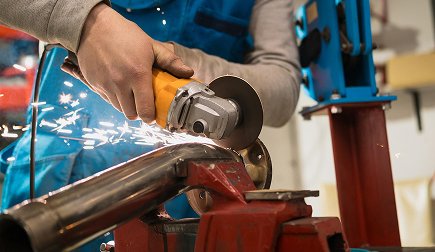
Automotive industry is currently experiencing a historic transformation. With the market projected to reach $300 billion by 2026, the demand for high-precision manufacturing has never been higher
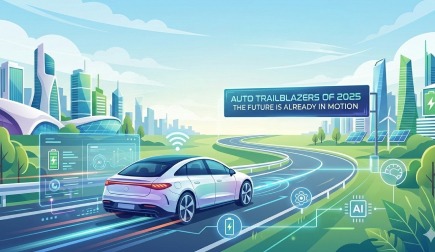
The BW Auto World 40 Under 40 Summit & Awards 2025 brought together industry leaders, policy makers, and young innovators at a defining moment for India’s automotive sector.
