





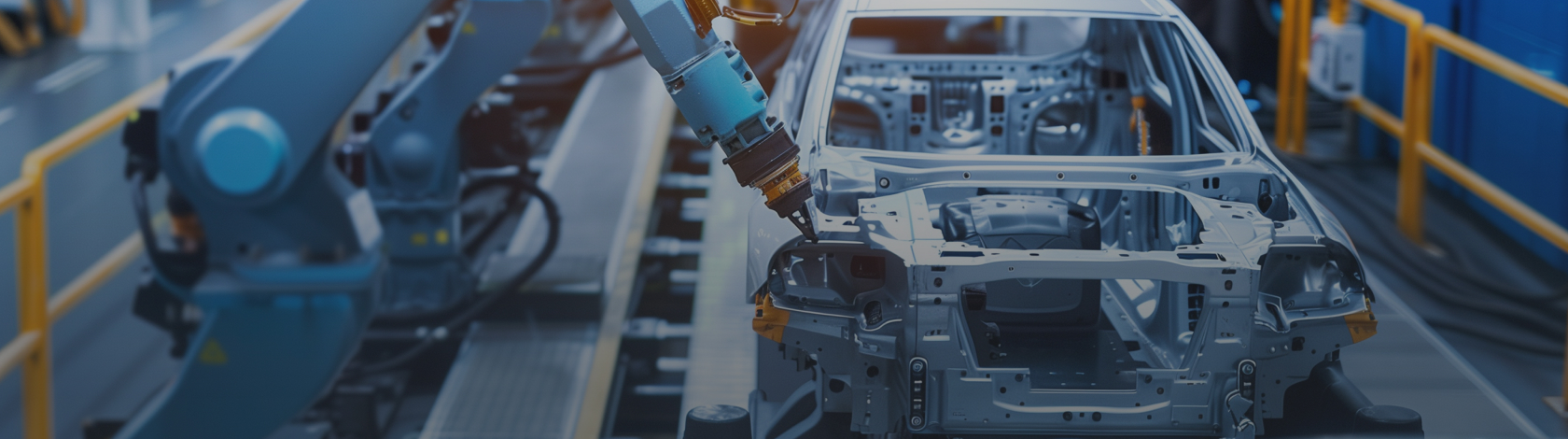


The future of India’s mobility landscape depends not only on electric and connected technologies but also on a trained and responsible workforce behind the wheel.
The future of India’s mobility landscape depends not only on electric and connected technologies but also on a trained and responsible workforce behind the wheel. With this vision, ASDC, in collaboration with the Ministry of Skill Development and Entrepreneurship (MSDE) and Bridgestone India, implemented the Sankalp Sarthi program—an initiative under SANKALP to professionalize and upskill Heavy Commercial Vehicle (HMV) drivers.
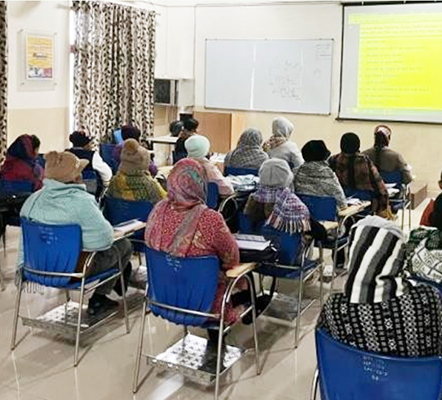
Covering Seven cities across India, including Kaithal, Railmagra, Chhindwara, Pune, Bangalore, Dharward, and Chhatia, the project addressed both the acute shortage of trained drivers and the broader goal of improving road safety and livelihood outcomes. With a strong on-ground delivery model and dedicated Driving Training Institutes (DTIs), the program ensured a blend of practical driving instruction, road safety education, digital learning, and licensing support.
| Metric | Traget | Achieved |
|---|---|---|
| Participants Trained | 540 | 541 |
| Assessments Completed | 486 | 477 |
| Candidates Placed | 378 | 470 |
By March 2025, the program had successfully trained 541 participants, slightly exceeding its original target. Of these, 477 completed formal assessments, and 370 drivers were placed, registering a commendable placement rate of 76%. A remarkable achievement of the program was the inclusion of 25 women drivers, marking a progressive step toward greater gender diversity in India's commercial driving workforce.
Empowering Women Through Electric Mobility in Bihar
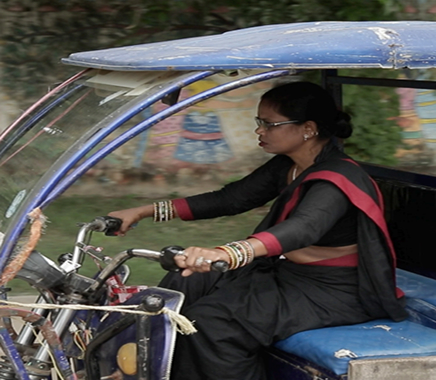
The Shakti – Sankalp project, implemented by ASDC in partnership with the Bihar Skill Development Mission (BSDM), is a transformative initiative designed to empower women from low-income and marginalized communities by training them as professional E-Rickshaw drivers (NSQF Level 4).
Executed in Patna, Bihar, the project aims to enable 350 women to enter the workforce in a sector traditionally dominated by men. By focusing on clean, last-mile electric mobility, this program not only promotes women’s financial independence but also supports sustainable transport solutions in urban India.
| Parameter | Planned | Achieved |
|---|---|---|
| Candidates Trained | 350 | 350 (100%) |
| Candidates Certified | 350 | 339 (97%) |
The training program combined road safety education, practical vehicle handling, and soft skill development to ensure candidates were confident, competent, and ready for real-world application. By March 2025, all 350 candidates completed assessments, and 339 were successfully certified— achieving a 97% certification rate.
This project serves as a pioneering example of how targeted, genderinclusive skilling models can drive both social equity and green mobility. It reflects ASDC’s commitment to shaping a future-ready workforce through innovation, access, and empowerment.
