




07 Oct 2026
Connected Vehicles Explained: Skills Required to Work in Telematics & IoT
More Links




2020 was a year of multiple unprecedented events, and just like everything else, the world of work was also turned upside down in a matter of months. The workplace culture had seen a major shift, with businesses operating from remote working locations. And of course, this sudden change had to have significant impact on the employee skills training and development scenario.
But, looking back, we have to applaud the utmost resilience shown by every industry during this period to survive the pandemic. In fact, the process has led to the emergence of several trends in the division, which are proven to have built the foundation for the future. So, now that we have entered into 2021, let’s take a look at some of the current trends in the workforce skilling ecosystem across sectors, and examine some of the best initiatives kept in store for the workforce that we can expect to see this year, and even in the years to come.
Industries, of all sizes, have been witnessing an upward trend of virtual learning in the last few years. However, it was the sudden outbreak of the COVID-19 pandemic that shook every organization to its core, leading to an accelerated adoption of the culture of virtual learning in workplaces across sectors. Going forward, this trend is very likely to become an indispensable part of the new normal in the post pandemic era, as companies are emphasizing on making it a norm to provide virtual skill training to their employees. Also, with the physical events going off the charts owing to the virus in 2020, webinars have suddenly gained popularity like never before.
Digitalization is the future of every organization, big and small. Since remote working has already become a norm, companies will need to emphasize on strengthening the information technology skills for a glitch free remote working experience of their employees. Simultaneously, for training and upskilling of the scattered workforce, mobile learning should also need to be considered at the earliest.
Almost 90% executives have reported to McKinsey of experiencing either an ongoing or impending skill crisis in different sectors. The skill gap that everyone has been discussing of late, has been there even before the pandemic broke out. And, on the same lines, skilling and up-skilling of the workforce were a priority for most organizations even before we were confronted by the massive health crisis. But this need for skilling and up-skilling suddenly turned into desperation as businesses demanded employees to multitask in order to cope with the outrageously changing workplace ecosystem. The gap has been felt across sectors, and the realization has led companies to increasingly put effort to bridge it.
To be successful in this feat, it will not be enough for companies to solely provide a training program to their employees. Employers need to go beyond, and promote a culture of continuous up-skilling and reskilling in the workplaces, as well.
The year 2020 had seen a significant number of developments in the collaboration ecosystem. Considering the mandatory remote working situations, and increasing cross-department collaborations, it was imperative for businesses to bring in effective collaborative tools for smooth performances in cross-team projects. However, for a successful remote collaboration, it takes more than just the technology aspect. Employees will be required to be adequately equipped with soft skills including communication, social awareness, and listening for an exchange of creative ideas, and healthy debates in a dispersed setting.
Speaking of which, not many employees have prior experience of remote collaboration, considering it is a relatively newer method. Therefore, to successfully execute a remote collaboration project, it will be necessary for HR leaders to chart out the roadmap and explain the importance of the contributions that employees make. To have a clear picture of what is expected of an employee in terms of behavioral outcomes, accountability, roles, and responsibility is extremely crucial in such cases. Experts also emphasize on including behavioral training in the career development path, as it is proven to be beneficial for employees’ overall growth.
Of all the challenges that the world had to face in the last one year due to the pandemic, maintaining a sound mental health was one of the toughest. Professionals across sectors had to deal with endless uncertainty on a regular basis, leading them to take an alternative and holistic approach towards their career and life, in general. The redefined goal is to focus on learning new skills, and live a happier and healthier life. In 2021, organizations that prioritizes employee wellbeing, and strongly believe in providing a healthy environment to maintain their employees’ mental health, are the ones destined to rise to newer heights.
To put that intention into action, organization can introduce private counselling sessions for employees, on a regular basis, to check on their mental health. In addition, making off-the-shelf courses on anxiety management, stress management, and resilience skills accessible to the employees as an extension of the skill training programs may go a long way in ensuring productivity amidst crises.
In the end of an eventful 2020, what we learnt is that, change is inevitable, and may not always be within our control. What we can actually do is to continue learning about the new developments around us, which may end up coming handy in future. Since traditional education and methods are getting more irrelevant with every passing day, industry leaders committed towards up-skilling and promoting a culture of continuous learning in workplaces need to study the current trends, and try to inculcate the same in skilling the workforce in order to prepare them better for the future.

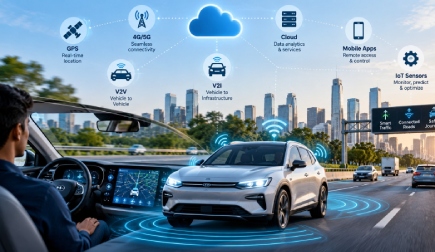
Connected Vehicles Explained: Skills Required to Work in Telematics & IoT
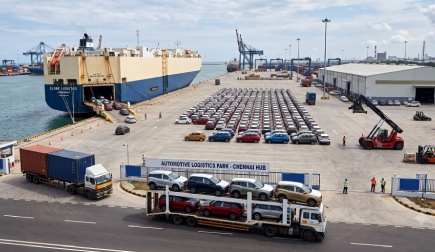
Automotive Logistics & Supply Chain: Skills Driving the Next Phase of Mobility
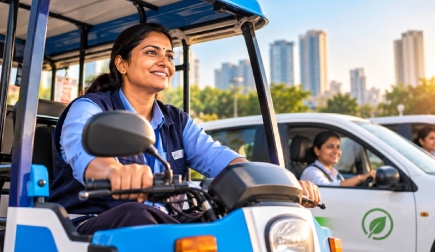
Growing Force of Women in E-Rickshaw and Fleet Services
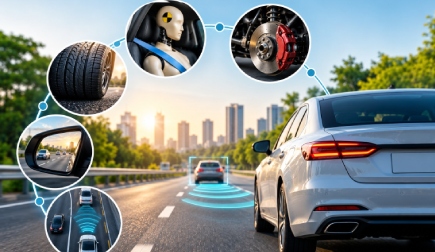
Road Safety Starts with Science: What Every Indian Driver Should Know
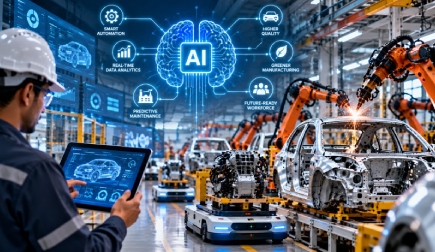
AI in Automotive: How Smart Factories Are Changing Production Lines
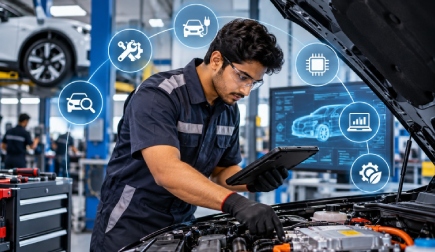
Skills Needed for Modern Auto Service Technicians
The modern automobile is no longer just a machine that takes people from one place to another. It is increasingly becoming a connected...
A car may be assembled in one factory, but its journey begins much earlier. Thousands of components can come from different suppliers, cities and countries before they reach the production line.
India's mobility sector is witnessing a quiet but powerful transformation. Women are increasingly taking the driver's seat in e-rickshaws...
Every journey on India's roads involves thousands of decisions made in a matter of seconds
The automotive manufacturing floor is undergoing a fundamental shift. For decades, production efficiency...
The role of an auto service technician in India is changing rapidly. A technician who once spent most of the day working on engines...
