




07 Oct 2026
Connected Vehicles Explained: Skills Required to Work in Telematics & IoT
More Links





India's automotive industry is witnessing a green revolution, and at its heart are sustainability engineers—professionals who are reshaping how vehicles are designed, manufactured, and operated. As the nation races toward its ambitious target of 30% electric vehicle penetration by 2030 and net-zero emissions by 2070, the demand for skilled sustainability engineers has skyrocketed, creating unprecedented career opportunities for those enrolling in automotive courses through the Automotive Skills Development Council.
Market Demand and Career Growth
India's green sector is expected to add 7.29 million jobs by FY28, with the automotive industry being a significant contributor to this growth. The electric vehicle market alone is projected to grow at a 20% compound annual growth rate between 2024 and 2030, while the broader automotive industry targets a market size of $300 billion by 2026. This explosive growth has created demand for professionals with expertise in battery technology, electric powertrains, autonomous vehicle systems, and sustainable manufacturing practices.
Automotive Skills Development Council (ASDC), India's premier skill development organization for the automotive sector, has recognized this shift and developed comprehensive automobile certification programs focused on sustainability and electric mobility. Approved by the National Skill Development Corporation and promoted by the Department of Heavy Industry, ASDC provides industry-recognized automotive technician classes that prepare professionals for emerging green automotive roles.
Skills and Training: The New Backbone
Recognizing the evolving needs of the auto industry, the Automotive Skill Development Council (ASDC) has been instrumental in bridging the gap between industry demand and workforce readiness. Through its network of automotive training centers, ASDC provides hands-on programs and automotive courses tailored to sustainability and innovation — from electric mobility and hybrid systems to smart manufacturing.
Students pursuing an automobile course or automobile technician course today are no longer just learning about engines and gears. They are being introduced to life-cycle assessment, green manufacturing techniques, and waste management — essential components of sustainable production. Specialized automotive technician classes now include modules on EV maintenance, solar-integrated charging infrastructure, and hydrogen fuel technologies.
Certifications and Industry Readiness
To ensure global employability and standardization, automobile certification programs have also evolved. Candidates completing sustainability-oriented modules receive certifications aligned with both Indian and international benchmarks, making them industry-ready for jobs in clean-tech mobility, EV design, and emission control engineering.
With collaborations between industry giants and institutions like IITs, NITs, and polytechnics, students can now combine academic learning with practical exposure through automotive training centers supported by ASDC. These centers simulate real-world manufacturing and service environments, enabling trainees to apply sustainable engineering practices directly to vehicles and components.
A Green Future on Wheels
As India accelerates toward its “Green Mobility Mission,” the role of sustainability engineers will only deepen. Their expertise ensures that growth doesn’t come at the cost of the planet. For young aspirants, this presents an exciting opportunity — to build careers that are future-proof, globally relevant, and socially responsible.
Choosing the right automotive courses today is more than a career decision — it’s a commitment to shaping the future of India’s auto revolution. In a world where every vehicle tells a story of innovation and sustainability, these engineers are the storytellers leading India’s drive toward a cleaner, greener tomorrow.


Connected Vehicles Explained: Skills Required to Work in Telematics & IoT

Automotive Logistics & Supply Chain: Skills Driving the Next Phase of Mobility
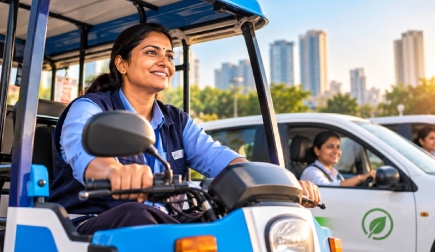
Growing Force of Women in E-Rickshaw and Fleet Services
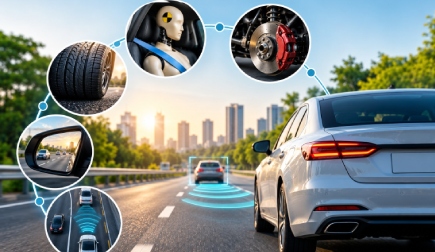
Road Safety Starts with Science: What Every Indian Driver Should Know
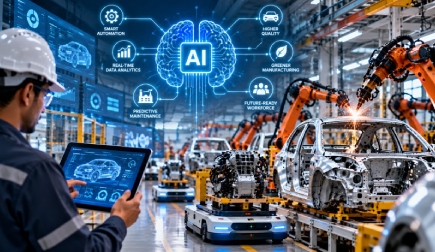
AI in Automotive: How Smart Factories Are Changing Production Lines
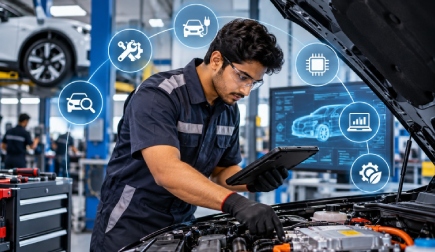
Skills Needed for Modern Auto Service Technicians
The modern automobile is no longer just a machine that takes people from one place to another. It is increasingly becoming a connected...
A car may be assembled in one factory, but its journey begins much earlier. Thousands of components can come from different suppliers, cities and countries before they reach the production line.
India's mobility sector is witnessing a quiet but powerful transformation. Women are increasingly taking the driver's seat in e-rickshaws...
Every journey on India's roads involves thousands of decisions made in a matter of seconds
The automotive manufacturing floor is undergoing a fundamental shift. For decades, production efficiency...
The role of an auto service technician in India is changing rapidly. A technician who once spent most of the day working on engines...
