




15 Jun 2026
EV Revolution in India: Skill Gaps and Opportunities in Battery Manufacturing
More Links





Building India's Battery Workforce for a Gigawatt-Scale Future
India's electric vehicle transition has crossed from aspiration into reality. As of early 2026, the PM E-DRIVE Scheme has supported more than 28 lakh EVs, with 22.12 lakh units sold as of January 2026. The EV battery market, valued at USD 8.49 billion in 2024, is projected to grow at a compound annual rate of 40.7 percent through 2030. This momentum has elevated battery manufacturing to a strategic priority for India's EV ecosystem.1
Yet a critical bottleneck remains. India imports nearly 90 percent of its lithium, cobalt, and nickel requirements. Domestic battery manufacturing faces dependence on imported cells and limited localization of high-value components. The government has committed INR 18,100 crore under the ACC Battery Storage PLI Scheme, with 40 GWh of the 50 GWh target capacity already awarded. Just 1 GWh has been installed so far, highlighting the scale of the challenge.
The Skill Gap That Could Slow the Revolution
India boasts an automotive workforce of nearly 19 million professionals, but EV-specific skills differ fundamentally from traditional internal combustion engine systems. Over 70 percent of engineering and diploma graduates require significant upskilling before entering the EV workforce. More than 10 million skilled workers will be needed by 2030 in EV manufacturing, R&D, charging infrastructure, and maintenance.2
Battery manufacturing demands specialized expertise across the entire value chain. Critical gaps include cell manufacturing processes, battery pack assembly, Battery Management Systems design and validation, quality assurance and testing protocols, thermal management engineering, battery recycling and second-life applications, automation and Industry 4.0 technologies, and safety compliance standards. The biggest gaps center on Battery Management Systems, power electronics, EV software, and advanced driver assistance systems.
https://www.pib.gov.in/PressReleasePage.aspx?PRID=2222604®=3&lang=1
https://isieindia.com/niti-aayog-ev-report-2/
The Industry Shift Toward Multidisciplinary Talent
The sector now seeks multidisciplinary talent combining electrical, electronics, manufacturing, software, and data skills. Traditional automotive knowledge must be unlearned and replaced with new-age skills from EV safety and battery systems to software-led diagnostics.[linkedin]
Emerging opportunities reflect this transformation. Battery Manufacturing Technicians, Cell Process Engineers, BMS Engineers, Battery Testing Specialists, Thermal Systems Engineers, EV Quality Engineers, Battery Recycling Specialists, and Gigafactory Operations Managers represent the new workforce profile. These EV jobs in India require competency in battery technology skills extending far beyond conventional mechanical training.
Bridging the Gap Through Skilling at Scale
Industry-aligned skilling, apprenticeships, and hands-on laboratory training are essential. The Automotive Skills Development Council has launched specialized courses on EV battery assembly, diagnostics, and recycling, training over 5,000 technicians with a target of 200,000 by 2027. Collaborations with Tata Motors, Mahindra Electric, and MG Motor enable hands-on development in battery management and EV maintenance.[apnnews]
Curriculum upgrades integrating EV, battery technology, and power electronics into degree programs are urgent. Establishing EV labs, Centres of Excellence, and industry-academia collaboration through internacies will determine success.[isieindia]
The Path Forward
Skill development will determine India's ability to become a global battery manufacturing hub. As EV industry careers expand and gigafactory jobs emerge, workforce readiness becomes the deciding factor. The Automotive Skills Development Council plays a pivotal role in building future-ready talent through automotive skilling programs aligned with industry needs.
India's EV revolution will succeed through the people who manufacture, test, maintain, and innovate across the battery value chain. The time to prepare the EV workforce is now.

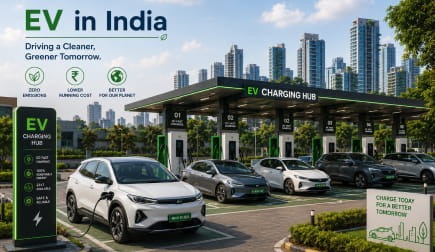
EV Revolution in India: Skill Gaps and Opportunities in Battery Manufacturing
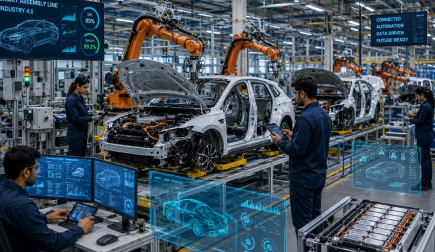
The New Skillset Behind EV Manufacturing Plants
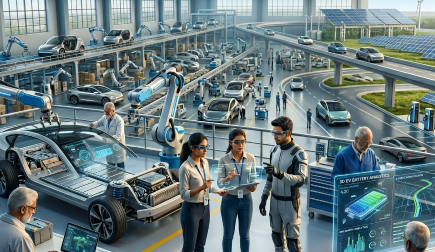
Future Automotive Jobs in India: Skills That Will Dominate by 2030
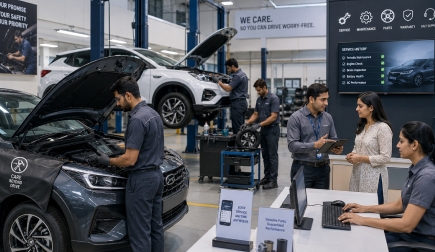
After-Sales Service is Becoming the Backbone of Automotive Industry Revenue
Careers in Automotive Welding and Fabrication in India
Auto Trailblazers of 2025 The Future Is Already in Motion
India's electric vehicle transition has crossed from aspiration into reality. As of early 2026, the PM E-DRIVE Scheme has supported more than 28 lakh EVs, with 22.12 lakh units sold as of January 2026.
The automotive industry is undergoing its most significant structural shift in over a century. Across the world, OEMs are retooling factories, rewriting production playbooks, and rethinking their workforce requirements as electric vehicles move from niche products to mainstream manufacturing priorities.
The auto industry in India is racing toward electrification, connectivity and automation. New automotive jobs will center on electric vehicles (EVs), software and advanced electronics.
The Indian auto sector is undergoing a rapid transformation. Electric vehicles (EVs), connected car technology, and advanced driver-assistance systems (ADAS) are reshaping the landscape.
Automotive industry is currently experiencing a historic transformation. With the market projected to reach $300 billion by 2026, the demand for high-precision manufacturing has never been higher
The BW Auto World 40 Under 40 Summit & Awards 2025 brought together industry leaders, policy makers, and young innovators at a defining moment for India’s automotive sector.
