




07 Oct 2026
Connected Vehicles Explained: Skills Required to Work in Telematics & IoT
More Links




The auto industry in India is racing toward electrification, connectivity and automation. New automotive jobs will center on electric vehicles (EVs), software and advanced electronics. To meet India’s goal of 30% EV sales by 2030, experts estimate up to 2 lakh EV-ready workers will be needed by 20301. This shift creates roles like EV service technician, battery-management specialist, automotive software engineer, ADAS (Advanced Driver Assistance Systems) technician, EV charging infrastructure expert, vehicle diagnostics specialist, mobility data analyst and mechatronics technician.
Major industry trends underline these job prospects. EV adoption is accelerating – India’s NITI Aayog notes EV sales reached a record 2.45 million units in FY2026, marking a 25% year-on-year increase2 and the nation aims for 30% EVs by 2030. In parallel, adoption of safety automation is growing: Advanced Driver Assistance Systems (ADAS) penetration rose to 8.3% of new cars in early 2025 (a 33% jump year-over-year)3, and EVs are already leading with 36% ADAS integration. The result: demand for skills in sensor calibration, electronics and vehicle diagnostics is surging. Connected-car technologies are also gaining ground; studies show about 60% of consumers now prioritize in-car connectivity, spurring roles in software, telematics and mobility analytics. In short, the future mobility landscape will reward workers who master EV skills, data-driven diagnostics and systems integration.
Industry-backed upskilling is critical. The Automotive Skills Development Council (ASDC) is building India’s future-ready workforce. ASDC has partnered with top automakers and academics to deliver industry-aligned courses and certifications across domains. ASDC’s programs range from fundamentals of EV powertrains and automotive mechatronics to cutting-edge areas. Its curriculum is built on national occupational standards, regularly updated to include electric mobility, Industry 4.0, advanced diagnostics and safety systems.
ASDC has developed several specialized job roles focused on electric mobility and related technologies, covering the entire EV value chain, and works with OEMs like Toyota, Maruti Suzuki and VE Commercial Vehicles to keep training aligned with the latest tech. Specialized ASDC courses in EV battery design, connected vehicle tech and mechatronics – along with rigorous assessments and industry internships – ensure graduates meet real-world needs.
https://www.jato.com/resources/news-and-insights/adas-adoption-in-india-reaches-8.3-in-h1-2025

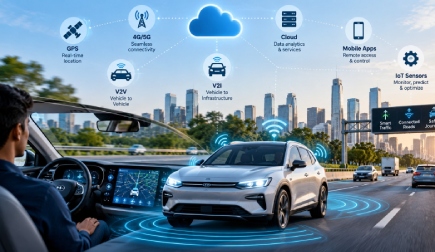
Connected Vehicles Explained: Skills Required to Work in Telematics & IoT
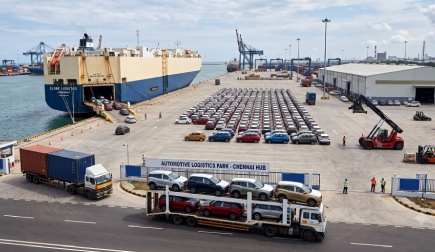
Automotive Logistics & Supply Chain: Skills Driving the Next Phase of Mobility
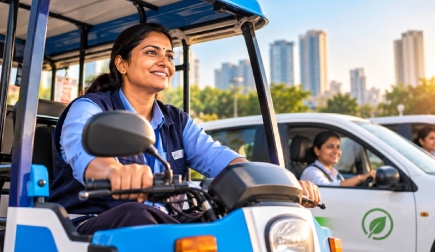
Growing Force of Women in E-Rickshaw and Fleet Services
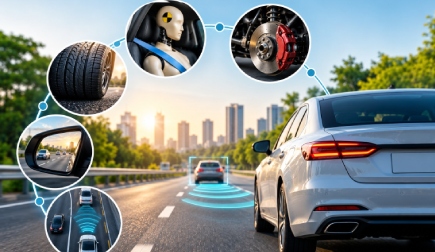
Road Safety Starts with Science: What Every Indian Driver Should Know
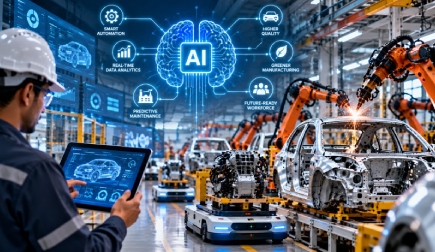
AI in Automotive: How Smart Factories Are Changing Production Lines
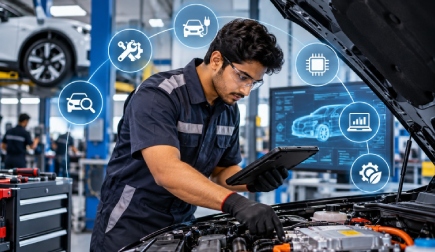
Skills Needed for Modern Auto Service Technicians
The modern automobile is no longer just a machine that takes people from one place to another. It is increasingly becoming a connected...
A car may be assembled in one factory, but its journey begins much earlier. Thousands of components can come from different suppliers, cities and countries before they reach the production line.
India's mobility sector is witnessing a quiet but powerful transformation. Women are increasingly taking the driver's seat in e-rickshaws...
Every journey on India's roads involves thousands of decisions made in a matter of seconds
The automotive manufacturing floor is undergoing a fundamental shift. For decades, production efficiency...
The role of an auto service technician in India is changing rapidly. A technician who once spent most of the day working on engines...
