




07 Oct 2026
Connected Vehicles Explained: Skills Required to Work in Telematics & IoT
More Links




In today’s rapidly changing job market, the emphasis is shifting from degrees to skills. India, with its vast youth population, faces a paradox—millions of graduates are unemployed, while industries struggle to find skilled professionals. The key to solving this is introducing vocational career awareness in schools. Schools play a pivotal role in shaping students’ aspirations and must take the lead in promoting vocational education in India.
What is Vocational Career Awareness?
Vocational career awareness refers to introducing students to career options that involve technical, practical, and skill-based work. These careers span sectors like automotive, manufacturing, healthcare, IT, hospitality, agriculture, electronics, and more. Unlike traditional academic routes, vocational education offers hands-on learning that directly aligns with industry demands.
Creating awareness about these career paths at an early age helps students understand their interests, strengths, and opportunities outside of conventional professions like engineering, medicine, or law.
Why Vocational Career Awareness is Important
Ways Schools Can Promote Vocational Career Awareness
To build a skilled, self-reliant India, schools must become the first step in a student’s vocational journey. Promoting vocational career awareness in Indian schools is not just about jobs—it’s about giving students the confidence to choose the right career path based on their talent, interest, and market demand. With the right exposure, guidance, and support, schools can create the skilled leaders and innovators of tomorrow.

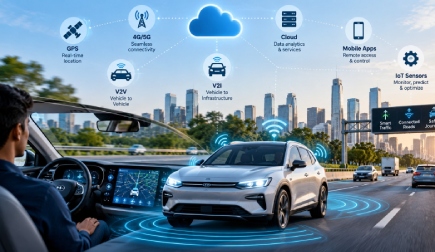
Connected Vehicles Explained: Skills Required to Work in Telematics & IoT
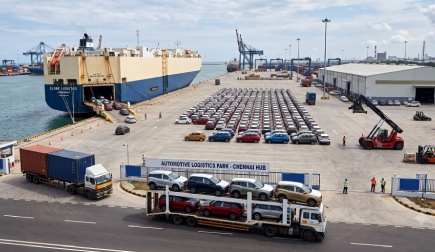
Automotive Logistics & Supply Chain: Skills Driving the Next Phase of Mobility
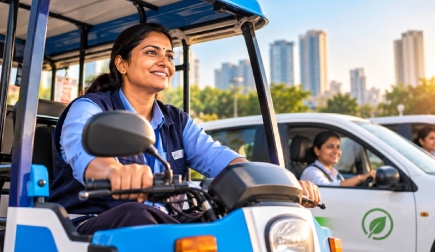
Growing Force of Women in E-Rickshaw and Fleet Services
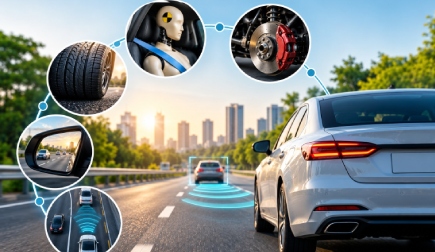
Road Safety Starts with Science: What Every Indian Driver Should Know
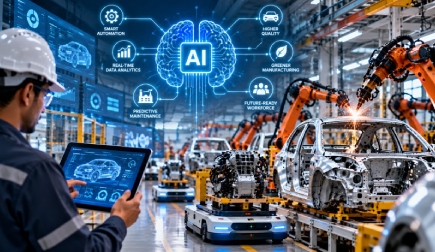
AI in Automotive: How Smart Factories Are Changing Production Lines
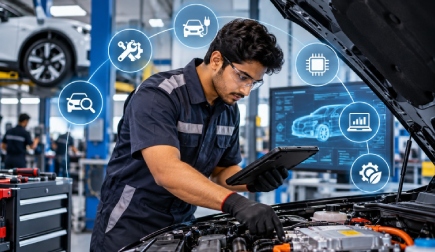
Skills Needed for Modern Auto Service Technicians
The modern automobile is no longer just a machine that takes people from one place to another. It is increasingly becoming a connected...
A car may be assembled in one factory, but its journey begins much earlier. Thousands of components can come from different suppliers, cities and countries before they reach the production line.
India's mobility sector is witnessing a quiet but powerful transformation. Women are increasingly taking the driver's seat in e-rickshaws...
Every journey on India's roads involves thousands of decisions made in a matter of seconds
The automotive manufacturing floor is undergoing a fundamental shift. For decades, production efficiency...
The role of an auto service technician in India is changing rapidly. A technician who once spent most of the day working on engines...
