




07 Oct 2026
Connected Vehicles Explained: Skills Required to Work in Telematics & IoT
More Links




The Indian auto retail sector is undergoing a significant transformation in 2024, facing challenges such as evolving consumer expectations, high inventory levels, and the transition toward electrification.
Post-Pandemic Market Stabilization
After experiencing double-digit growth in 2022 and 2023, the market has stabilized to single-digit growth in 2024. The surge in demand post-COVID led to an expansion of dealerships and OEM touchpoints, but some are now struggling to maintain market share and viability.
Evolving Consumer Trends
A notable trend is the increasing demand for premium variants and luxury vehicles. Rising disposable incomes and aspirations of the expanding middle class have driven steady growth in high-end car sales, boosting dealers’ top and bottom lines. This shift has created opportunities for dealerships to cater to a more affluent consumer base by enhancing customer experiences with personalized services, home deliveries, exclusive events, and bespoke vehicle customizations.
Mixed Financial Outcomes for Dealerships
While 2023 was financially rewarding for dealerships, 2024 presents a mixed scenario. Dealers representing growing OEMs continue to thrive, while others face dwindling sales and rising overheads. Challenges such as high inventory levels, skilled workforce shortages, increasing operational and infrastructure costs, and changing customer expectations have compounded difficulties for the dealer fraternity.
Skill Shortages Amid Technological Evolution
The rapid pace of technological advancements in the automotive industry, particularly the rise of electric vehicles (EVs) and advanced driver-assistance systems (ADAS), has underscored the need for a highly skilled workforce. However, the Indian automotive retail industry is grappling with a shortage of technicians and trained sales staff proficient in handling these new technologies.
Despite commendable efforts by the Automotive Skill Development Council to bridge this gap, the need for specialized training remains significant. Servicing and maintaining EVs require distinct skills compared to internal combustion engine (ICE) vehicles, prompting dealerships to invest in upskilling programs. However, the limited availability of qualified trainers and technical experts poses a challenge.
Rising Operational Costs
Operational costs for dealerships have surged in 2024. Higher wages for skilled workers, coupled with the expenses of upgrading technology and maintaining inventory for a broader range of vehicles, have strained profitability. Smaller dealerships, in particular, struggle to absorb these costs due to limited financial buffers.
OEMs’ digital-first approach to car buying, intended to improve efficiencies, has paradoxically increased costs for dealerships. Digital integration necessitates additional equipment and expanded tech teams, with little reduction in manpower or significant gains in productivity.
High Inventory Levels
Dealerships have transitioned from lean inventories in 2020–2023 to excessive stock levels in 2024. Tepid customer demand since May and unregulated production by OEMs have resulted in inventory levels as high as 80–85 days by September, severely impacting profitability. Unsold stock depreciates quickly, especially with new model launches or year-end transitions, forcing dealers to offer heavy discounts to clear aging inventory.
Optimism Amid Challenges
Despite the hurdles, the future of auto retail in India remains promising. The electric vehicle push is expected to accelerate in 2025, with over 15 launches planned across various price points. Additionally, the expanding middle class will drive demand for both affordable and premium vehicles.
Dealerships must embrace digital transformation, invest in employee training, and adapt to regulatory changes to thrive in this evolving landscape. Those who navigate these challenges successfully and innovate to meet consumer demands will be well-positioned to capture growth in India’s dynamic automotive market.

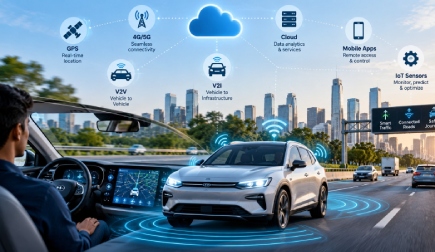
Connected Vehicles Explained: Skills Required to Work in Telematics & IoT
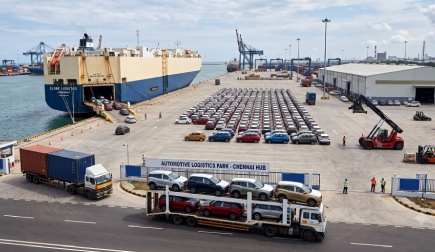
Automotive Logistics & Supply Chain: Skills Driving the Next Phase of Mobility
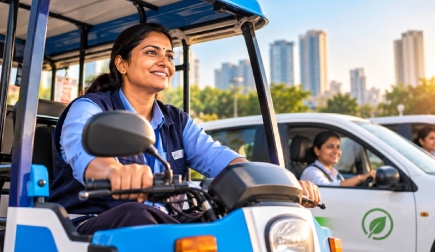
Growing Force of Women in E-Rickshaw and Fleet Services
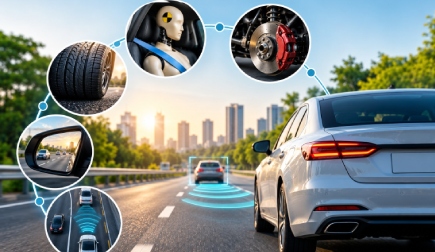
Road Safety Starts with Science: What Every Indian Driver Should Know
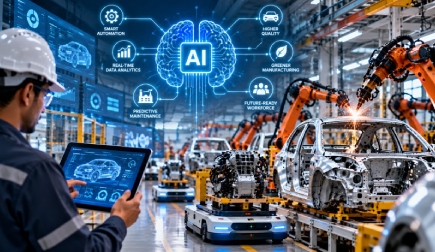
AI in Automotive: How Smart Factories Are Changing Production Lines
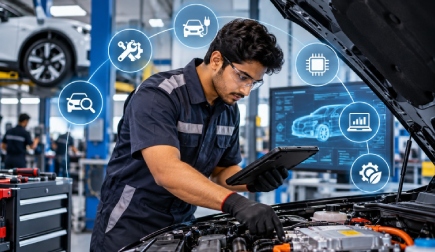
Skills Needed for Modern Auto Service Technicians
The modern automobile is no longer just a machine that takes people from one place to another. It is increasingly becoming a connected...
A car may be assembled in one factory, but its journey begins much earlier. Thousands of components can come from different suppliers, cities and countries before they reach the production line.
India's mobility sector is witnessing a quiet but powerful transformation. Women are increasingly taking the driver's seat in e-rickshaws...
Every journey on India's roads involves thousands of decisions made in a matter of seconds
The automotive manufacturing floor is undergoing a fundamental shift. For decades, production efficiency...
The role of an auto service technician in India is changing rapidly. A technician who once spent most of the day working on engines...
