




07 Oct 2026
Connected Vehicles Explained: Skills Required to Work in Telematics & IoT
More Links





The automotive industry has undergone a remarkable transformation over the past decade, evolving from mechanical engineering to a software-driven ecosystem. Today's vehicles are sophisticated mobile computers that rely heavily on software to deliver enhanced safety, performance, and user experiences. This paradigm shift has fundamentally changed how we approach vehicle design, manufacturing, and maintenance, creating new demands for specialized automobile training programs.
Software at the Heart of Modern Vehicles
Modern vehicles contain millions of lines of code distributed across dozens of electronic control units (ECUs). These software systems manage everything from engine performance and transmission control to infotainment systems and advanced driver assistance features. The average luxury vehicle today contains more software than a fighter jet, highlighting the critical role technology plays in contemporary automotive design.
The software architecture enables real-time decision-making, allowing vehicles to adapt to driving conditions, optimize fuel efficiency, and provide seamless connectivity. Features like adaptive cruise control, lane-keeping assistance, and automated parking are all software-dependent systems that have become standard in modern vehicles.
Leading automotive software platforms include NVIDIA DRIVE for autonomous vehicle development, Qualcomm Snapdragon Ride for advanced driver assistance systems, and Android Automotive OS for infotainment systems. Companies like BlackBerry QNX provide real-time operating systems that ensure safety-critical functions operate reliably. In the Indian market, Tata Motors' ARCADE.EV platform, Mahindra's BlueSense Plus connectivity suite, and Maruti Suzuki's SmartPlay Pro infotainment system demonstrate how domestic manufacturers are integrating advanced software solutions.
The Rise of Over-the-Air Updates
One of the most significant developments in automotive software is the implementation of over-the-air (OTA) updates. Similar to smartphone applications, vehicles can now receive software updates remotely, adding new features, improving performance, and fixing bugs without requiring a visit to the service center.
This capability has transformed the traditional automotive business model. Manufacturers can now continuously improve their products throughout the vehicle's lifecycle, while consumers benefit from enhanced functionality and improved security. Tesla pioneered this approach with their proprietary software platform, followed by Ford's SYNC 4A system, BMW's iDrive 8, and Mercedes-Benz's MBUX (Mercedes-Benz User Experience). Indian manufacturers like Tata Motors with their Harman-powered infotainment systems and Hyundai India's BlueLink connected car technology have also embraced OTA capabilities. Now virtually all major manufacturers have adopted OTA update capabilities.
Impact on Automotive Training and Education
The software revolution has fundamentally altered the skills required in the automotive sector. Traditional automobile training programs have expanded to include software diagnostics, system integration, and digital troubleshooting. Technicians must now understand programming languages, network protocols, and software architecture alongside conventional mechanical knowledge.
Educational institutions and training providers have responded by developing comprehensive curricula that blend traditional automotive skills with modern software competencies. These programs cover topics ranging from basic computer programming to advanced automotive software systems, preparing the next generation of professionals for a technology-driven industry. In India, institutions are increasingly focusing on domestic software solutions like Tata Elxsi's automotive software development platforms and HCL Technologies' automotive engineering services, ensuring automobile training remains relevant to local industry needs.
The Future of Automotive Software
Looking ahead, software will play an even more prominent role in vehicle development. Artificial intelligence and machine learning algorithms will enable predictive maintenance, personalized driving experiences, and autonomous vehicle capabilities. Platforms like Tesla's Full Self-Driving (FSD) software, Waymo's autonomous driving system, and Mobileye's EyeQ chips are leading this transformation. In India, companies like Mahindra's collaboration with Ford for autonomous vehicle development and Tata Motors' partnership with Microsoft Azure for connected car solutions are driving innovation. The integration of 5G connectivity and edge computing solutions like AWS IoT Core for automotive will further expand software possibilities, enabling real-time communication between vehicles and infrastructure.
The automotive industry's transformation from hardware-centric to software-defined vehicles represents one of the most significant shifts in transportation history. This evolution creates exciting opportunities for innovation while demanding new approaches to automobile training and professional development.
As software continues to reshape the automotive landscape, professionals who embrace these technological changes and invest in relevant training will be best positioned to thrive in this dynamic industry. The future belongs to those who can bridge the gap between traditional automotive expertise and cutting-edge software capabilities.

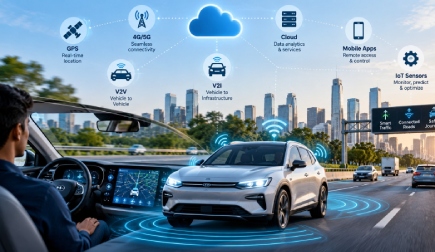
Connected Vehicles Explained: Skills Required to Work in Telematics & IoT
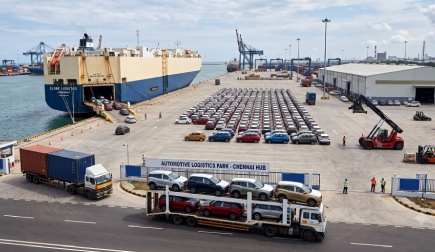
Automotive Logistics & Supply Chain: Skills Driving the Next Phase of Mobility
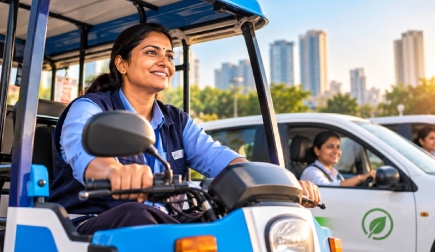
Growing Force of Women in E-Rickshaw and Fleet Services
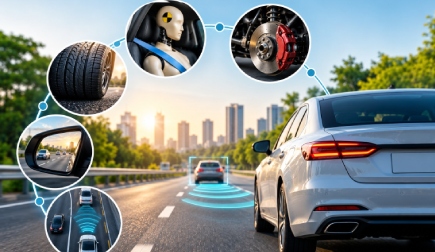
Road Safety Starts with Science: What Every Indian Driver Should Know
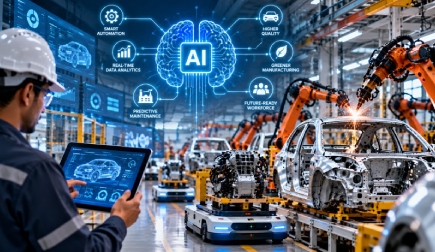
AI in Automotive: How Smart Factories Are Changing Production Lines
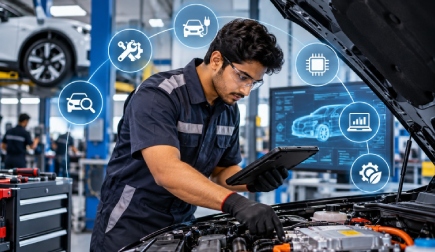
Skills Needed for Modern Auto Service Technicians
The modern automobile is no longer just a machine that takes people from one place to another. It is increasingly becoming a connected...
A car may be assembled in one factory, but its journey begins much earlier. Thousands of components can come from different suppliers, cities and countries before they reach the production line.
India's mobility sector is witnessing a quiet but powerful transformation. Women are increasingly taking the driver's seat in e-rickshaws...
Every journey on India's roads involves thousands of decisions made in a matter of seconds
The automotive manufacturing floor is undergoing a fundamental shift. For decades, production efficiency...
The role of an auto service technician in India is changing rapidly. A technician who once spent most of the day working on engines...
