




07 Oct 2026
Connected Vehicles Explained: Skills Required to Work in Telematics & IoT
More Links





India's roads, while a vital artery for its burgeoning economy and diverse culture, unfortunately grapple with a high number of accidents. Every year, countless lives are lost and families are impacted by road mishaps. As the country grapples with rising vehicle ownership and complex traffic conditions, Advanced Driver Assistance Systems (ADAS) are emerging as a game-changer for road safety. At the heart of this transformation are ADAS engineers, whose expertise in developing cutting-edge technologies is helping reduce accidents and save lives. This blog explores the pivotal role of ADAS engineers in making India’s roads safer, with examples and insights into their contributions.
What is ADAS and Why Does India Need It?
Advanced Driver Assistance Systems encompass a suite of technologies designed to enhance vehicle safety and assist drivers in avoiding collisions. These include features like Automatic Emergency Braking (AEB), Lane Departure Warning (LDW), Adaptive Cruise Control (ACC), and Blind Spot Detection (BSD). In India, where diverse road conditions, unpredictable pedestrian movement, and varying driver behaviors contribute to accidents, ADAS acts as an extra layer of protection.
For instance, Indian roads often see a mix of two-wheelers, autorickshaws, and heavy vehicles sharing space with pedestrians and livestock. According to the National Crime Records Bureau (NCRB), over 40% of road accidents in India are attributed to human error, such as speeding or distracted driving. ADAS technologies, developed and fine-tuned by engineers, address these issues by providing real-time alerts and automated interventions.
ADAS Engineer: Bridging Technology and Safety
ADAS engineers are responsible for the design, development, testing, and integration of these advanced safety features. Their role is multifaceted:
Industry Examples: ADAS Engineering in Action
Several Indian and global companies are investing heavily in ADAS R&D:
Challenges and the Road Ahead
Despite their contributions, ADAS engineers face challenges, including limited infrastructure, inconsistent road markings, and consumer awareness. Additionally, the high cost of ADAS-equipped vehicles remains a hurdle. However, with government initiatives like the Bharat New Car Assessment Programme (BNCAP), which emphasizes safety ratings, the demand for ADAS is expected to grow.
To accelerate progress, ADAS engineers are collaborating with policymakers, automotive manufacturers, and tech companies. The rise of 5G connectivity and smart city projects in India will further enable engineers to integrate Vehicle-to-Everything (V2X) communication, enhancing ADAS capabilities.
Conclusion
ADAS engineers are unsung heroes in India’s quest for safer roads. By developing innovative, India-specific solutions, leveraging AI, and ensuring affordability, they are transforming the automotive landscape. As more vehicles adopt ADAS and awareness grows, the expertise of these engineers will play a critical role in reducing accidents and saving lives. With continued investment in technology and infrastructure, India can look forward to a future where roads are not just pathways but lifelines.


Connected Vehicles Explained: Skills Required to Work in Telematics & IoT
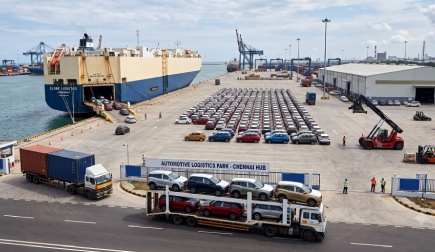
Automotive Logistics & Supply Chain: Skills Driving the Next Phase of Mobility

Growing Force of Women in E-Rickshaw and Fleet Services
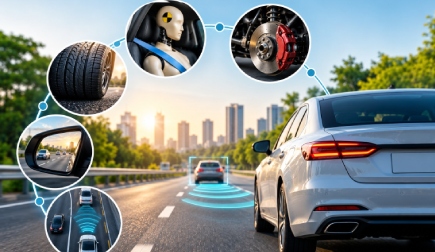
Road Safety Starts with Science: What Every Indian Driver Should Know

AI in Automotive: How Smart Factories Are Changing Production Lines
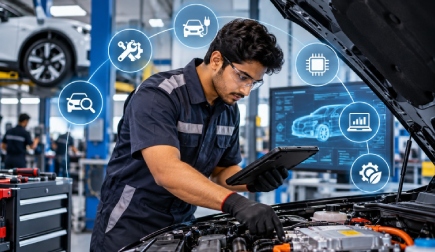
Skills Needed for Modern Auto Service Technicians
The modern automobile is no longer just a machine that takes people from one place to another. It is increasingly becoming a connected...
A car may be assembled in one factory, but its journey begins much earlier. Thousands of components can come from different suppliers, cities and countries before they reach the production line.
India's mobility sector is witnessing a quiet but powerful transformation. Women are increasingly taking the driver's seat in e-rickshaws...
Every journey on India's roads involves thousands of decisions made in a matter of seconds
The automotive manufacturing floor is undergoing a fundamental shift. For decades, production efficiency...
The role of an auto service technician in India is changing rapidly. A technician who once spent most of the day working on engines...
