




07 Oct 2026
Connected Vehicles Explained: Skills Required to Work in Telematics & IoT
More Links





The rising fuel prices amid the growing concern for the environmental damage caused by vehicular emissions have presented the automotive sector with a rather challenging phase in the last couple of years. However, the Electric Vehicles (EVs) segment has successfully dodged this trend and is emerging victoriously as a popular choice among buyers. While on the one hand, petrol and diesel cars’ sales are continuously dropping, owing to the growing concerns about climate change, EV sales are witnessing a record growth of up to two to three folds in the same period.
This rise in demand for EVs also contributes to the increased demand for aftermarket servicing and repair. And since electric and hybrid vehicles are different from traditional petrol and diesel cars, they require additional skills and precautions to normally-aspirated engines. Interestingly, electric car maintenance is comparatively easier than conventional vehicles since they have fewer moving parts. Hence, if you also want to get your hands on the electric vehicle servicing as an independent repairer, apart from being trained to EV standards, all you need to keep in mind is the following considerations to prepare yourself for an influx of EVs in your workshop.
Maintenance routines of different kinds required by all electric and plug-in hybrid electric vehicles need thorough understanding by the repairers to provide correct information to customers.
While maintenance routines of all vehicles differ from each other depending on the recommendations by manufacturers, electric vehicles do indeed require minimal scheduled maintenance. Mainly because they have fewer serviceable parts, to begin with, and require no oil change, transmission fluid, spark plugs, filters or drive belts. Even the braking system found in the EVs are regenerative and lasts longer than those on conventional vehicles.
Even among conventional vehicles, no two cars are the same. Just like that, electric cars also build with different nuances that need unique treatment when they are serviced and repaired.
For instance, in plug-in electric vehicles, there are several variations of charging cable to power the vehicles, which are used according to the cars’ models. The battery types also have variations according to the make and model of the EV. The technicians need to understand the different models, and their unique designs and accessories, to efficiently and successfully service these vehicles.
Just like with petrol and diesel vehicles, there are some parts in electric vehicles that are likely to require frequent attention, mostly because of the way a part operates within the vehicle system. For example, it is highly common for a high-voltage battery within an EV to go through degradation under normal wear and tear. Successful diagnosis will require adequate techniques to check the high voltage battery.
EV’s cooling system is another key part of the vehicles that need utmost maintenance, as it continuously counters the effects caused by parts of the high voltage circuit generating heat. Similar to a radiator in a conventional car, the cooling system in an electric vehicle requires regular checkups, and more, to maintain high performance.
Additionally, there will be several other faults in hybrid vehicles, like their filters, lubricants and ancillary parts will require frequent replacement, which is also common in petrol and diesel vehicles.
It is necessary and highly recommended for technicians to get themselves an accredited, professional electric vehicle training course before they begin their EV repairing journey. There are several courses available for EV servicing across India, provided by professional skilling organizations like ASDC.\
Out of all the reasons, the most important one is legal compliance. For employees to obtain suitable certification before undertaking high-voltage electrical work has more or less become a mandate in almost every country in the world. Also, every country will come up with their own set of regulations regarding the same. Hence, it is also essential to check the requirements for your region.
Additionally, while they say that the difference between electric vehicles, and diesel and petrol vehicles are not that huge, the skills required to safely service both these types are indeed quite different. There are many parts in an EV that you may have not seen before when you were working on diesel and petrol cars and may require special tools and skills to efficiently maintain and repair the same. That, along with the huge number of safety factors involved when working with EVs, makes it extremely important to have an appropriate level of prior training.
EVs indeed poses more threats to technicians compared to any other vehicle. For instance, they are run at a higher voltage than naturally-aspirated vehicles. The EV batteries also contain harmful chemicals, and since they store a significant amount of energy, even minor carelessness in handling them can lead to an explosion.
Hence independent repairers need to be skilled in making electrical systems safe when in the workshop. A lot of electrical vehicles retain their hazard quotient even when they are switched off for various reasons. Hence, they must be switched off and powered down in the right order, allowing abundant time between shut down and physical contact.
The right precautions are important to be followed even outside the workshop. In cases of EV pick-up services, the vehicle’s remote operation key needs to be removed to a suitable distance, as well as, make sure to disconnect the battery before the vehicle is lifted to avoid getting it activated mid-journey, en-route to the repair facility.
Also, technicians should be aware of the risks associated with working on live electrical equipment, as in an electric vehicle, and should only consider it when necessary and deemed safe to do so. There needs to be a proper assessment of the overall risks associated with every factor, before committing to the act.

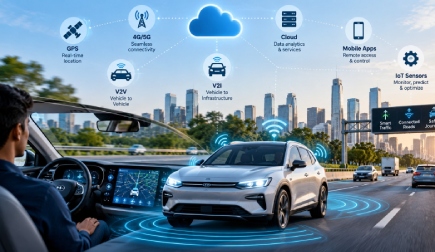
Connected Vehicles Explained: Skills Required to Work in Telematics & IoT
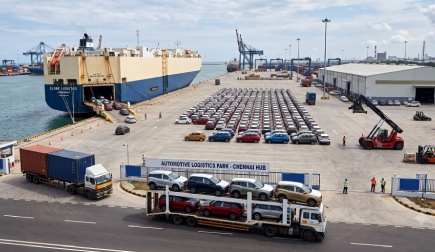
Automotive Logistics & Supply Chain: Skills Driving the Next Phase of Mobility
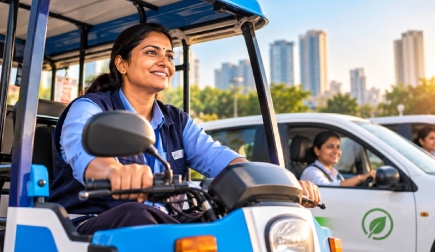
Growing Force of Women in E-Rickshaw and Fleet Services
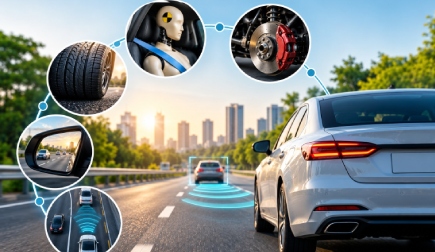
Road Safety Starts with Science: What Every Indian Driver Should Know
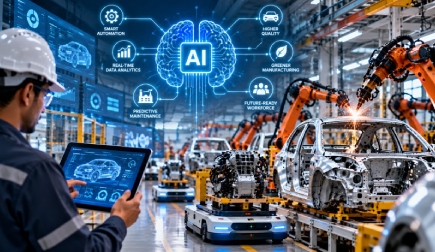
AI in Automotive: How Smart Factories Are Changing Production Lines
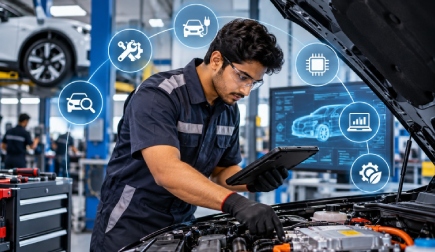
Skills Needed for Modern Auto Service Technicians
The modern automobile is no longer just a machine that takes people from one place to another. It is increasingly becoming a connected...
A car may be assembled in one factory, but its journey begins much earlier. Thousands of components can come from different suppliers, cities and countries before they reach the production line.
India's mobility sector is witnessing a quiet but powerful transformation. Women are increasingly taking the driver's seat in e-rickshaws...
Every journey on India's roads involves thousands of decisions made in a matter of seconds
The automotive manufacturing floor is undergoing a fundamental shift. For decades, production efficiency...
The role of an auto service technician in India is changing rapidly. A technician who once spent most of the day working on engines...
