




07 Oct 2026
Connected Vehicles Explained: Skills Required to Work in Telematics & IoT
More Links




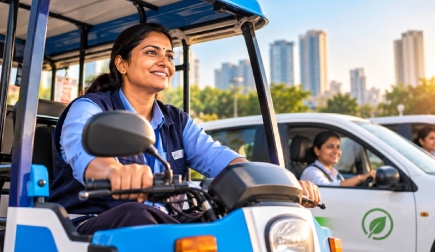
India's mobility sector is witnessing a quiet but powerful transformation. Women are increasingly taking the driver's seat in e-rickshaws, electric taxis, and commercial fleets, turning mobility into a pathway for economic independence. What was once considered a male-dominated profession is evolving into a space where skill, confidence, and technology matter more than stereotypes.
This shift is not happening by chance. It is being supported by India's push for electric mobility, structured skill development, and industry-led initiatives that prepare women for professional driving careers.
Why Electric Mobility Is Opening New Doors
E-rickshaws have become one of India's most accessible forms of entrepreneurship. Compared to petrol and diesel vehicles, they offer lower operating costs, simpler maintenance, and affordable entry into commercial transport. For many women, especially from low-income households, this creates an opportunity to earn independently while working closer to home.
The impact extends beyond individual livelihoods. A recent analysis of government vehicle registration data showed that e-rickshaws are driving electric vehicle adoption across states such as Bihar, Uttar Pradesh, West Bengal, Assam, and Delhi, making them a cornerstone of India's clean mobility transition.
Learning Beyond the Steering Wheel
Professional driving today requires far more than controlling a vehicle. Drivers must understand road safety, customer service, digital payments, navigation systems, battery management, and basic vehicle inspection. Industry-aligned training programmes are equipping women with these practical skills through classroom learning and hands-on driving experience. This combination helps build confidence while preparing candidates for real-world transport operations.
Automotive Skills Development Council (ASDC) has placed skill development at the centre of this transformation by designing programmes that combine technical competence with workplace readiness. One of the strongest examples comes from Bihar through ASDC's Shakti initiative, implemented with the Bihar Skill Development Mission and Patna Municipal Corporation. The programme trained 350 women as professional e-rickshaw drivers, with 339 successfully earning certification, demonstrating how targeted skilling can create sustainable livelihood opportunities in electric mobility.
The curriculum goes beyond driving lessons. Participants receive training in road safety, vehicle handling, communication skills, and professional conduct, helping them become confident commercial drivers rather than simply licence holders.
From E-Rickshaws to Electric Taxi Fleets
Women's participation is also expanding into organised electric taxi fleets. ASDC's Project Sakhi, developed in partnership with industry partners, prepares women for careers as professional EV taxi drivers through training in driving techniques, safety practices, customer service, and electric vehicle operations. Similarly, ASDC's broader Saksham initiative has trained thousands of women across 21 states for careers spanning automotive sales, service, and emerging mobility roles, reflecting a growing demand for women across the automotive ecosystem.
The impact of these programmes reaches beyond employment. Women drivers often become role models within their communities, encouraging other women to pursue careers that were previously considered unconventional.
The Road Ahead
The rise of women e-rickshaw and fleet drivers represents more than a success story in employment. It reflects India's ability to combine clean mobility with inclusive growth. Every woman who enters the driver's seat strengthens local transport systems, contributes to sustainable mobility, and inspires the next generation to view the automotive sector as a place where talent, not gender, defines opportunity.
Driving independence is no longer just about reaching a destination. It is about creating new journeys of confidence, dignity, and economic empowerment across India's rapidly changing mobility landscape.

Connected Vehicles Explained: Skills Required to Work in Telematics & IoT
Automotive Logistics & Supply Chain: Skills Driving the Next Phase of Mobility
Growing Force of Women in E-Rickshaw and Fleet Services
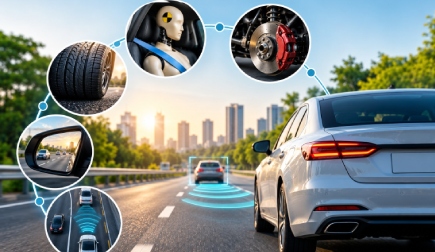
Road Safety Starts with Science: What Every Indian Driver Should Know
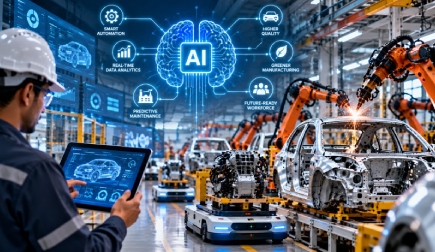
AI in Automotive: How Smart Factories Are Changing Production Lines
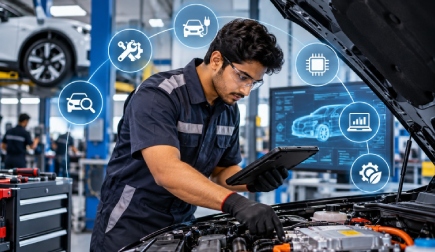
Skills Needed for Modern Auto Service Technicians
The modern automobile is no longer just a machine that takes people from one place to another. It is increasingly becoming a connected...
A car may be assembled in one factory, but its journey begins much earlier. Thousands of components can come from different suppliers, cities and countries before they reach the production line.
India's mobility sector is witnessing a quiet but powerful transformation. Women are increasingly taking the driver's seat in e-rickshaws...
Every journey on India's roads involves thousands of decisions made in a matter of seconds
The automotive manufacturing floor is undergoing a fundamental shift. For decades, production efficiency...
The role of an auto service technician in India is changing rapidly. A technician who once spent most of the day working on engines...
