




07 Oct 2026
Connected Vehicles Explained: Skills Required to Work in Telematics & IoT
More Links




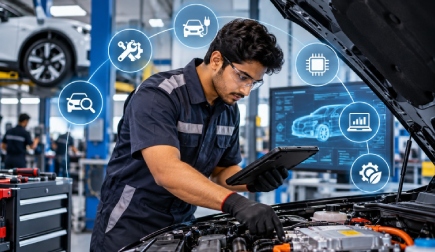
The role of an auto service technician in India is changing rapidly. A technician who once spent most of the day working on engines, brakes, clutches and suspension systems now needs to diagnose electronic faults, work around high-voltage batteries and understand how multiple vehicle systems communicate with each other. The modern workshop is increasingly becoming a combination of mechanical service bay and technology centre. This shift is creating a new skills requirement for technicians across authorised dealerships, independent garages and multi-brand service networks.
Mechanical Knowledge Still Matters
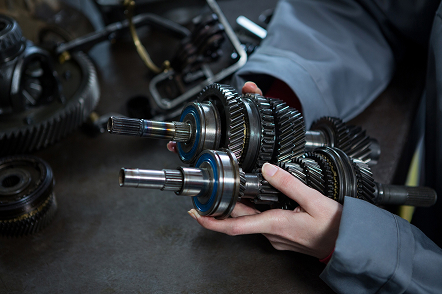
Technology has not made mechanical fundamentals less important. It has made them more important because technicians need to understand how mechanical and electronic systems interact.
Consider a vehicle experiencing poor acceleration. The problem could be related to the fuel system, turbocharger, air intake, sensors or an electronic control unit. Simply replacing a component based on a fault code may not solve the problem. A skilled technician needs to combine physical inspection, diagnostic data and mechanical knowledge to identify the root cause.
This ability to diagnose rather than simply replace parts is becoming a key differentiator in modern workshops.
Diagnostic Skills Are Becoming Essential
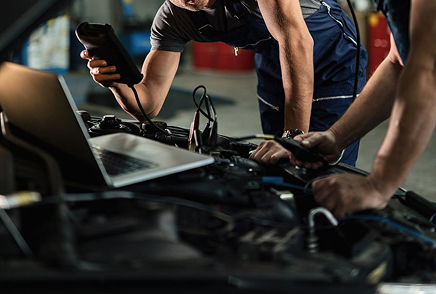
Today's vehicles generate significant amounts of diagnostic information. Technicians need to know how to use scan tools, interpret diagnostic trouble codes and analyse live parameters. For example, if a vehicle shows an engine warning light, the scan tool may identify a fault associated with an oxygen sensor. But the sensor itself may not be the actual problem. A technician needs to check wiring, voltage, sensor readings and related components before deciding on replacement. This requires an understanding of diagnostic logic, not just familiarity with a diagnostic scanner.
Electrical and Electronics Expertise
Modern vehicles can contain dozens of electronic control units managing functions ranging from engine and transmission control to airbags, braking, lighting and infotainment. Technicians therefore need practical skills in electrical testing, wiring diagrams, sensors, actuators and vehicle communication networks such as CAN. Using a multimeter and understanding voltage, resistance and continuity should become as fundamental as using a spanner. Oscilloscopes and advanced diagnostic equipment are also becoming more relevant for technicians working on complex electronic faults.
An Indian Workshop Example
The changing skill requirement can be seen in a typical urban Indian workshop. Consider a customer bringing in a recently purchased SUV after a minor front-end accident. The vehicle may appear mechanically sound after the bumper or suspension components are repaired, but the workshop may still need to inspect its radar or camera-based driver assistance systems.
If the front bumper, windshield or suspension geometry has been disturbed, an ADAS sensor may require calibration according to the vehicle manufacturer's procedure. A technician now needs to understand not only the mechanical repair but also sensor positioning, diagnostic software, calibration targets and road-test requirements.
The same workshop may also service an electric SUV. Instead of approaching the vehicle like a conventional petrol or diesel car, the technician must follow high-voltage isolation procedures before working on relevant components. This requires specific training, safety equipment and an understanding of battery and power electronics systems.
These examples illustrate an important shift in the Indian aftermarket. The workshop technician is increasingly becoming a diagnostic professional rather than only a mechanical repair professional.
EVs Are Creating a New Safety Requirement
The growth of electric and hybrid vehicles is creating an entirely new competency area. A technician working on an EV needs to understand high-voltage architecture, battery packs, power electronics, electric motors and isolation procedures.
For instance, replacing a conventional 12-volt battery is very different from diagnosing a fault in a high-voltage battery system. Technicians must know when a vehicle needs to be electrically isolated, what personal protective equipment is required and which components can be safely handled. This is an area where structured training and certification are particularly important because incorrect procedures can create serious safety risks.
ADAS Requires Calibration Skills
Advanced Driver Assistance Systems are also changing workshop requirements. Features such as automatic emergency braking, adaptive cruise control, lane departure warning and blind-spot detection depend on cameras, radar and other sensors. After a windshield replacement, suspension repair or accident repair, certain cameras or sensors may require calibration. A technician therefore needs to understand calibration procedures and the conditions under which recalibration is required.
Software and Connected Vehicles
Software is becoming another part of vehicle servicing. Technicians increasingly need to perform software updates, access digital service information and work with manufacturer diagnostic platforms. Connected vehicles can also transmit information about vehicle performance and faults. The technician of the future will need to interpret this information alongside physical inspection and workshop diagnostics.
Communication Is a Technical Skill Too
A technically strong technician must also be able to communicate. When a customer reports that the vehicle "loses power sometimes", the technician needs to ask the right questions about when the problem occurs, driving conditions and warning lights. The ability to document symptoms accurately and explain the diagnosis helps reduce unnecessary part replacement and improves customer confidence.
Building the Technician of the Future
India's automotive service workforce will increasingly need a blend of mechanical, electrical, digital and diagnostic capabilities. The transition to EVs, connected vehicles and ADAS does not eliminate the traditional technician. It expands the technician's role.
For training institutions and employers, the focus should therefore move towards practical, industry-aligned learning. Technicians need exposure to real vehicle systems, diagnostic equipment, EV safety procedures, electronic testing and fault-finding rather than only classroom-based theory. The most valuable capability in the modern workshop is the ability to understand the vehicle as a complete system, diagnose the actual cause of a problem and make the right repair safely and efficiently.
Modern auto service technicians are no longer simply repairing vehicles. They are ensuring mobility, improving safety, supporting sustainability, and enabling the next generation of transportation. Investing in these future-ready skills will strengthen not only individual careers but also India's ambition to become a global automotive powerhouse.


Connected Vehicles Explained: Skills Required to Work in Telematics & IoT

Automotive Logistics & Supply Chain: Skills Driving the Next Phase of Mobility

Growing Force of Women in E-Rickshaw and Fleet Services
Road Safety Starts with Science: What Every Indian Driver Should Know
AI in Automotive: How Smart Factories Are Changing Production Lines
Skills Needed for Modern Auto Service Technicians
The modern automobile is no longer just a machine that takes people from one place to another. It is increasingly becoming a connected...
A car may be assembled in one factory, but its journey begins much earlier. Thousands of components can come from different suppliers, cities and countries before they reach the production line.
India's mobility sector is witnessing a quiet but powerful transformation. Women are increasingly taking the driver's seat in e-rickshaws...
Every journey on India's roads involves thousands of decisions made in a matter of seconds
The automotive manufacturing floor is undergoing a fundamental shift. For decades, production efficiency...
The role of an auto service technician in India is changing rapidly. A technician who once spent most of the day working on engines...
