




07 Oct 2026
Connected Vehicles Explained: Skills Required to Work in Telematics & IoT
More Links





Every journey on India's roads involves thousands of decisions made in a matter of seconds. Whether it is braking suddenly, changing lanes or reacting to a pedestrian crossing unexpectedly, these actions are influenced by both human behaviour and vehicle engineering. Road safety is often discussed as a matter of discipline, but automotive science shows that informed driving, supported by technology and proper vehicle maintenance, can significantly reduce crash risks.
India has one of the largest road networks in the world, with millions of vehicles added every year. According to the Ministry of Road Transport and Highways, road accidents continue to claim thousands of lives annually, making safe driving practices more important than ever. As mobility grows, understanding the science behind safe driving is becoming just as important as learning traffic rules.
Why Reaction Time Matters More Than Speed Alone
Many drivers believe that speed alone causes accidents. In reality, reaction time plays an equally critical role. Human reaction time usually takes around one to one and a half seconds under normal conditions. During this brief period, a vehicle continues moving before the brakes are even applied.
At 60 kmph, a vehicle travels nearly 17 metres every second. This means even a moment of distraction can add several metres before braking begins. Fatigue, mobile phone use and poor visibility increase reaction time further, making defensive driving essential. For instance, imagine driving through city's Outer Ring Road during peak traffic. If the vehicle ahead brakes suddenly while you glance at your phone for just one second, your car could travel nearly the length of four parked cars before you even touch the brake pedal.
Modern vehicles use technologies such as Anti-lock Braking Systems, or ABS, to help maintain steering control during emergency braking. However, these systems are most effective when drivers maintain adequate following distance.
The Hidden Value of Tyres
Tyres are the only part of a vehicle that touches the road, making their condition crucial for safety. Worn tread reduces grip, especially during rain, increasing stopping distances and the risk of skidding. Regular tyre pressure checks improve handling, braking performance and fuel efficiency. Underinflated tyres generate excessive heat, while overinflated tyres reduce road contact, affecting stability.
Seat Belts Are Engineering, Not Just Compliance
Seat belts remain one of the most effective vehicle safety features ever developed. They work by distributing crash forces across stronger parts of the human body while preventing occupants from being thrown forward. Modern vehicles increasingly combine seat belts with airbags. These two systems are designed to work together. Airbags alone cannot provide adequate protection if occupants are not wearing seat belts.
Visibility Can Prevent Accidents Before They Happen
Automotive engineers design vehicles to maximise visibility, but drivers must maintain these advantages. Clean windshields, properly aligned mirrors and functioning headlights improve hazard detection. During fog or heavy rain, using low beam headlights instead of high beams reduces glare and improves visibility. Night driving requires additional caution because depth perception decreases significantly in low-light conditions. Reducing speed and increasing following distance provide valuable reaction time.
Technology Is Making Indian Roads Safer
Vehicle safety has advanced rapidly in recent years. Electronic Stability Control helps prevent loss of control during sharp turns. Reverse parking sensors and cameras reduce low-speed collisions. Advanced Driver Assistance Systems are gradually entering premium vehicles and are expected to become more common across different vehicle segments. India's Bharat New Car Assessment Programme has also increased public awareness about vehicle safety ratings, encouraging manufacturers to strengthen crash protection standards. Technology, however, cannot replace responsible driving. Safety systems assist drivers, but they are not substitutes for attention and judgement.
Safe Driving Begins Before Starting the Engine
Many accidents can be prevented through simple pre-drive habits.
Example: Before beginning a highway trip from Delhi to Jaipur, spending two minutes checking tyre pressure and brake lights can prevent avoidable mechanical problems during the journey.
Building a Culture of Scientific Road Safety
Road safety is not solely the responsibility of traffic authorities or vehicle manufacturers. It is a shared commitment involving drivers, technicians, trainers and the automotive industry. For automotive professionals, understanding vehicle dynamics, braking systems, tyre performance and safety technologies is becoming an essential skill. As India's automotive sector embraces electric vehicles, connected mobility and smarter transportation systems, safety knowledge will become even more valuable.
The future of safer roads will depend not only on better vehicles but also on better-informed people. When science, skills and responsible driving work together, every journey has a better chance of ending safely.

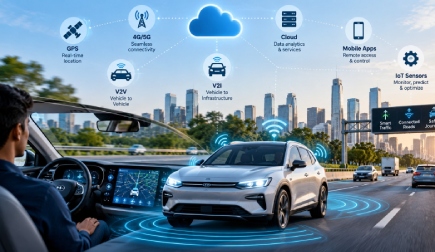
Connected Vehicles Explained: Skills Required to Work in Telematics & IoT
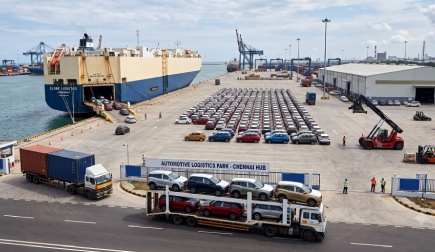
Automotive Logistics & Supply Chain: Skills Driving the Next Phase of Mobility
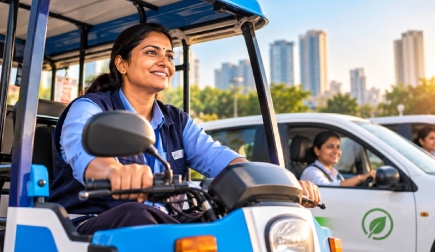
Growing Force of Women in E-Rickshaw and Fleet Services
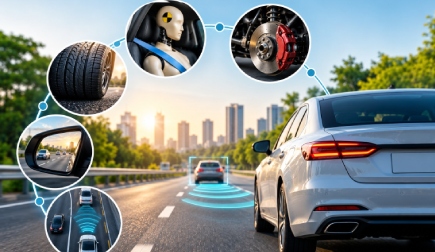
Road Safety Starts with Science: What Every Indian Driver Should Know
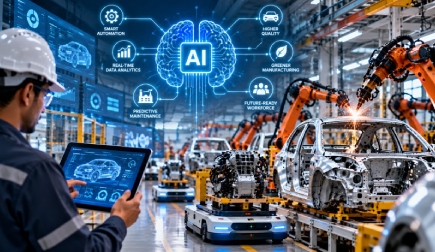
AI in Automotive: How Smart Factories Are Changing Production Lines
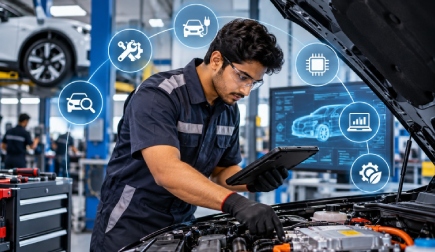
Skills Needed for Modern Auto Service Technicians
The modern automobile is no longer just a machine that takes people from one place to another. It is increasingly becoming a connected...
A car may be assembled in one factory, but its journey begins much earlier. Thousands of components can come from different suppliers, cities and countries before they reach the production line.
India's mobility sector is witnessing a quiet but powerful transformation. Women are increasingly taking the driver's seat in e-rickshaws...
Every journey on India's roads involves thousands of decisions made in a matter of seconds
The automotive manufacturing floor is undergoing a fundamental shift. For decades, production efficiency...
The role of an auto service technician in India is changing rapidly. A technician who once spent most of the day working on engines...
